
Vegetable1 recipes
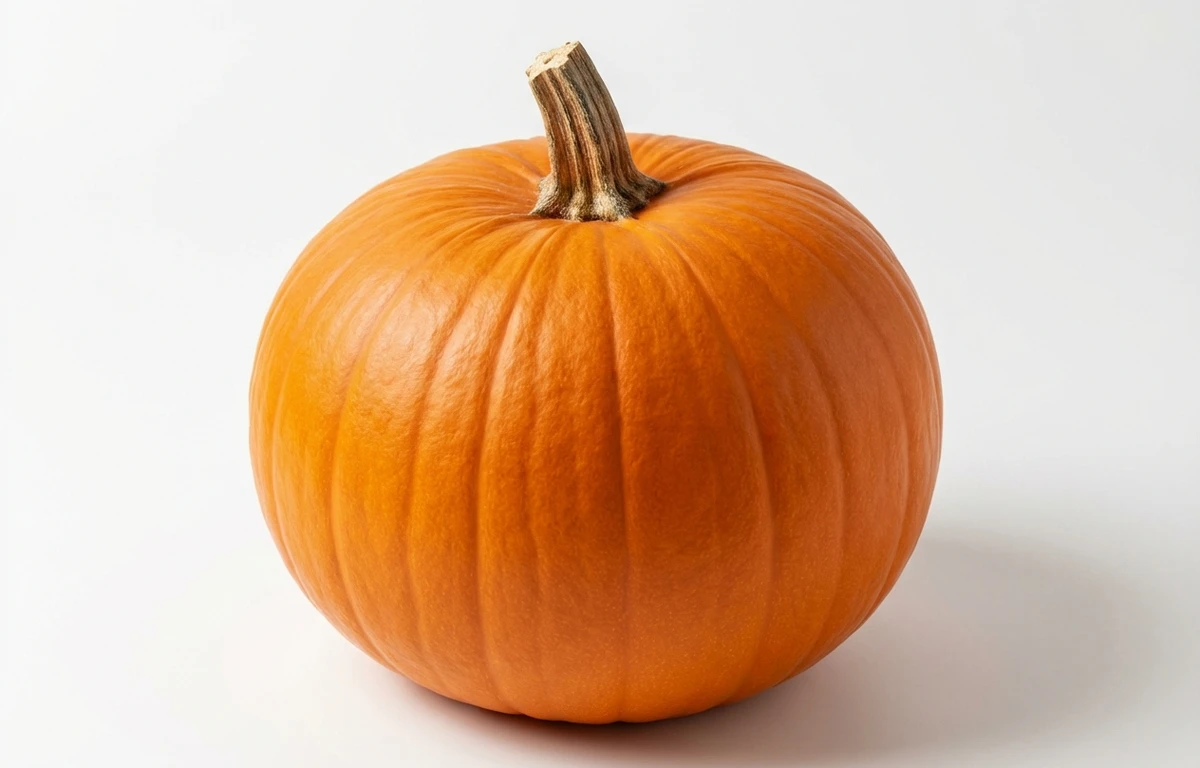
orange round pumpkin.
VegetarianVeganGluten-freeDairy-freeNut-freePeanut-freeSoy-freeEgg-freeShellfish-freeHoney-freeAlcohol-free
ALSO KNOWN AS
kaddugummadikayamathanlal bhoplared pumpkin
SERVING
CALORIES
26
PROTEIN
1.0g
CARBS
6.5g
FAT
0.10g
FIBER
0.50g
This ingredient is flagged as naturally gluten-free. Per 100 g, it provides 1.1 µg of vitamin K.
NUTRITION PROFILE · per 100 g
Everything in this ingredient.
MACRONUTRIENTS
Calories26kcal—
Protein1.0g2%
Carbohydrates6.5g2%
Fiber0.50g2%
Sugar2.8g6%
Total fat0.10g0%
Saturated fat0.01g0%
Trans fat0g—
Cholesterol0mg0%
Water91.6g—
MINERALS
Sodium1.0mg0%
Potassium340mg7%
Calcium21mg2%
Iron0.80mg4%
Magnesium12mg3%
Phosphorus44mg4%
Zinc0.32mg3%
Copper0.13mg14%
Manganese0.13mg6%
Selenium0.30µg1%
VITAMINS
Vitamin A426µg47%
Vitamin C9.0mg10%
Vitamin D0µg0%
Vitamin E1.1mg7%
Vitamin K1.1µg1%
Thiamin (B1)0.05mg4%
Riboflavin (B2)0.11mg8%
Niacin (B3)0.60mg4%
Pantothenic acid (B5)0.30mg6%
Vitamin B60.06mg4%
Biotin (B7)1.6µg5%
Folate (B9)16µg4%
Vitamin B120µg0%
%DV based on a 2,000 cal diet. Source: USDA FoodData Central. A dash in the %DV column means there’s no established Daily Value for that nutrient.
MEASUREMENT CONVERSIONS
How much is what.
1 cup116g
1 oz28.4g
1 lb453.6g
1 piece150g
HEALTH BENEFITS
Why eat it.
- ✓High potassium content helps regulate blood pressure and heart health
COOKING TIPS
In the kitchen.
- 1Roasting pumpkin with a little oil and salt enhances its natural sweetness and depth of flavor
- 2Do not discard the seeds; they can be cleaned, seasoned, and roasted for a nutritious snack
- 3Pureed cooked pumpkin can be used as a healthy thickener for soups, stews, and even pasta sauces
STORAGE
Keep it fresh.
- Store whole pumpkins in a cool, dry, and dark place for up to 2-3 months
- Once cut, wrap the pumpkin tightly in plastic wrap and refrigerate for up to 5 days
- To freeze, peel and cube the pumpkin, then blanch for 2 minutes before storing in airtight bags
FAQ
Frequently asked questions.
How do I choose a good quality pumpkin?
Look for a pumpkin that feels heavy for its size, has a consistent orange color, and sounds hollow when tapped. Avoid those with soft spots or bruises.
Is the skin of the orange pumpkin edible?
Yes, the skin is edible. While it can be tough on older pumpkins, it softens significantly when roasted or boiled.
What is the best substitute for orange pumpkin?
Butternut squash or Hubbard squash are the best substitutes as they have a similar texture and sweetness.
Can I eat pumpkin raw?
While technically edible raw, it is quite tough and fibrous. It is much more palatable and easier to digest when cooked.
How long does a cut pumpkin last in the fridge?
A cut pumpkin will stay fresh for about 4 to 5 days if wrapped tightly or stored in an airtight container.
Is pumpkin a root vegetable?
No, pumpkin is a fruit (botanically) used as a vegetable that grows on a vine above the ground, not underground.
Does pumpkin contain a lot of sugar?
Pumpkin contains a moderate amount of natural sugar (about 2.8g per 100g), but its high fiber and water content make it a low-glycemic choice.
Can I freeze raw pumpkin?
It is better to blanch or cook pumpkin before freezing to preserve its texture; raw frozen pumpkin can become very watery when thawed.
What are the most common dishes made with orange pumpkin?
Common dishes include pumpkin soup, roasted pumpkin, pumpkin curry (kaddu ki sabzi), and pumpkin pie.
RECIPES
Cook with orange round pumpkin.
1 recipes · sorted by what’s quick



















