
Condiment10 recipes
oyster sauce.
VegetarianVeganGluten-freeDairy-freeNut-freePeanut-freeSoy-freeEgg-freeShellfish-freeHoney-freeAlcohol-freeFermented
ALSO KNOWN AS
hao youoyster flavored sauce
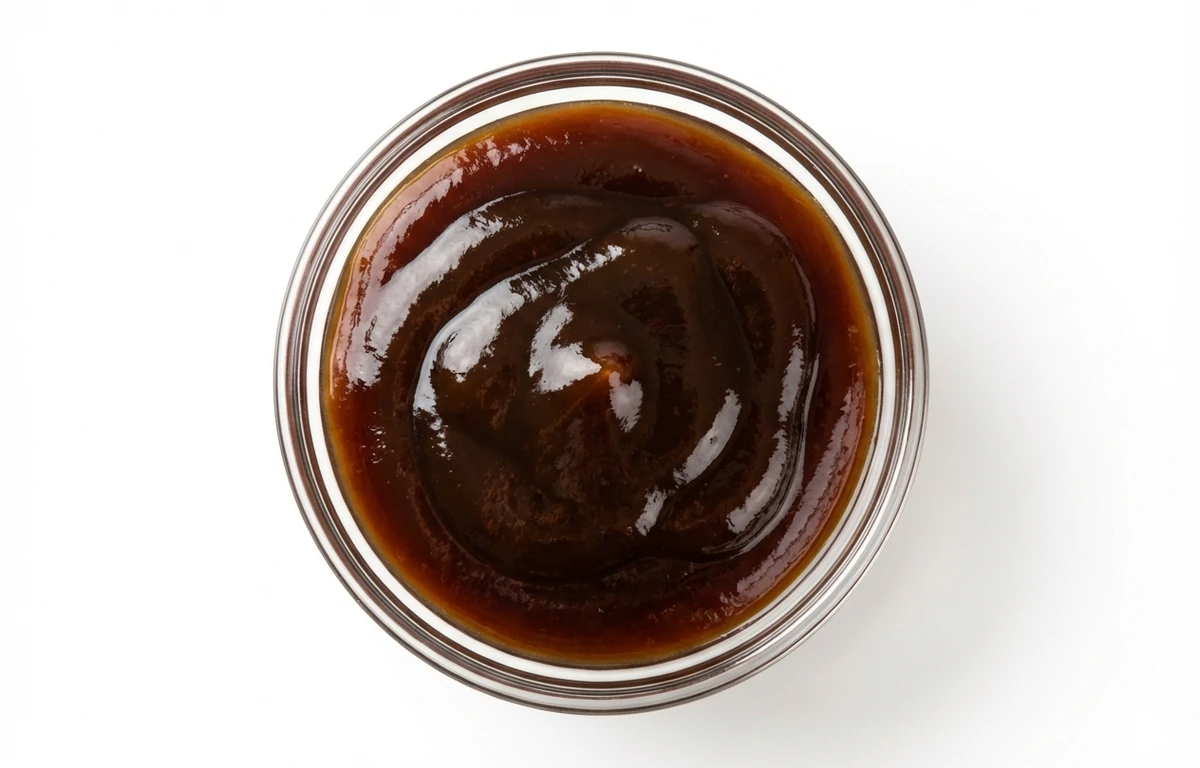
SERVING
CALORIES
51
PROTEIN
1.4g
CARBS
11.3g
FAT
0.25g
FIBER
0.10g
NUTRITION PROFILE · per 100 g
Everything in this ingredient.
MACRONUTRIENTS
Calories51kcal—
Protein1.4g3%
Carbohydrates11.3g4%
Fiber0.10g0%
Sugar11.3g23%
Total fat0.25g0%
Saturated fat0.05g0%
Trans fat0g—
Cholesterol0mg0%
Water78g—
MINERALS
Sodium2733mg119%
Potassium47mg1%
Calcium32mg2%
Iron0.20mg1%
Magnesium12mg3%
Phosphorus31mg2%
Zinc0.10mg1%
Copper0.02mg2%
Manganese0.05mg2%
Selenium0.70µg1%
VITAMINS
Vitamin A0µg0%
Vitamin C0mg0%
Vitamin D0µg0%
Vitamin E0mg0%
Vitamin K0µg0%
Thiamin (B1)0.01mg1%
Riboflavin (B2)0.02mg2%
Niacin (B3)0.10mg1%
Pantothenic acid (B5)0.05mg1%
Vitamin B60.01mg1%
Folate (B9)2.0µg1%
Vitamin B120µg0%
%DV based on a 2,000 cal diet. Source: USDA FoodData Central. A dash in the %DV column means there’s no established Daily Value for that nutrient.
MEASUREMENT CONVERSIONS
How much is what.
1 cup288g
1 tablespoon18g
1 teaspoon6g
1 oz28.4g
1 lb453.6g
1 ml1.2g
1 liter1200g
HEALTH BENEFITS
Why eat it.
- ✓Low in fat and calories compared to many creamy sauces
- ✓Provides a concentrated source of umami flavor
- ✓Contains small amounts of essential minerals like calcium
- ✓Can help reduce the need for additional table salt in recipes
- ✓Enhances the palatability of nutrient-dense vegetables
COOKING TIPS
In the kitchen.
- 1Add toward the end of stir-frying to prevent the sugars from burning
- 2Use as a glaze for roasted meats or vegetables for a glossy finish
- 3Mix with a little water or broth if the consistency is too thick for your dish
STORAGE
Keep it fresh.
- Refrigerate immediately after opening to maintain freshness
- Keep the bottle cap tightly sealed to prevent oxidation
- Store in a cool, dark pantry if the bottle is still factory-sealed
FAQ
Frequently asked questions.
How long does oyster sauce last after opening?
Once opened, oyster sauce typically lasts for 3 to 6 months when stored in the refrigerator.
How can I tell if oyster sauce has gone bad?
Look for signs of mold, an off-smell, or significant changes in color and texture. If it develops a sour or fermented odor, discard it.
What is a good vegetarian substitute for oyster sauce?
Vegetarian 'oyster' sauce made from mushrooms is the best substitute, providing a similar umami flavor and thick consistency.
Does oyster sauce contain gluten?
Most commercial oyster sauces contain wheat flour as a thickener and soy sauce made with wheat, so they are generally not gluten-free unless specified.
Is oyster sauce high in sodium?
Yes, oyster sauce is very high in sodium, containing over 2,500mg per 100g. It should be used sparingly by those on low-sodium diets.
What is the primary flavor profile of oyster sauce?
It has a complex flavor profile that is savory (umami), slightly sweet, and salty with a hint of earthy seafood notes.
Can oyster sauce be used as a direct substitute for soy sauce?
Not exactly. Oyster sauce is much thicker and sweeter than soy sauce. While it adds saltiness, it will significantly change the texture and sweetness of the dish.
What are the most common dishes that use oyster sauce?
It is a staple in Cantonese cuisine, commonly used in beef with broccoli, stir-fried noodles (Chow Mein), and as a topping for steamed greens.
Can I freeze oyster sauce?
Freezing is not recommended as it can break the emulsion and change the texture of the sauce once thawed.
Is there actual oyster in oyster sauce?
Traditional oyster sauce is made by slowly simmering oysters in water until the juices caramelize into a thick, brown, intensely flavored sauce.
RECIPES
Cook with oyster sauce.
10 recipes · sorted by what’s quick



















