
Other
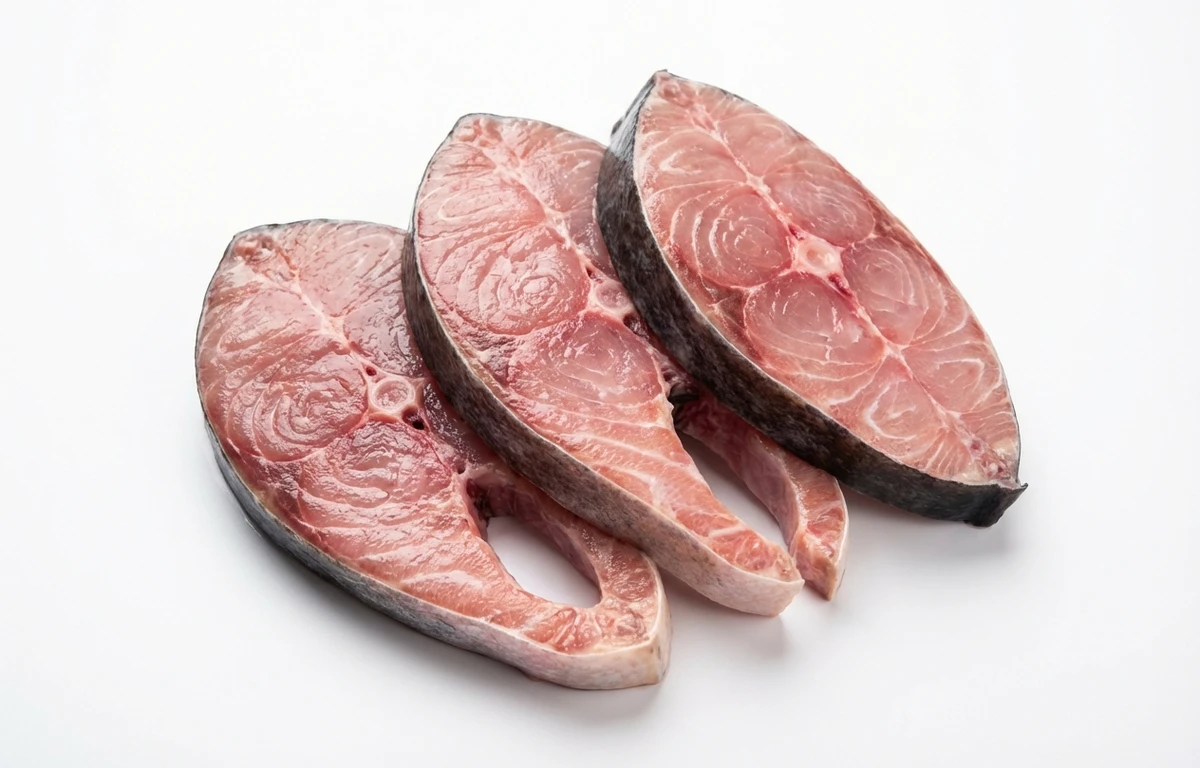
paarai.
VegetarianVeganGluten-freeDairy-freeNut-freePeanut-freeSoy-freeEgg-freeShellfish-freeHoney-freeAlcohol-free
SERVING
CALORIES
104
PROTEIN
21.6g
CARBS
0g
FAT
1.8g
FIBER
0g
This ingredient is flagged as naturally gluten-free. Per 100 g, it provides 0.97 µg of vitamin K.
NUTRITION PROFILE · per 100 g
Everything in this ingredient.
MACRONUTRIENTS
Calories104kcal—
Protein21.6g43%
Carbohydrates0g0%
Fiber0g0%
Sugar0g0%
Total fat1.8g2%
Saturated fat0.72g4%
Trans fat0g—
Cholesterol23.3mg8%
Water75.8g—
MINERALS
Sodium45.2mg2%
Potassium384mg8%
Calcium13.5mg1%
Iron0.69mg4%
Magnesium27.6mg7%
Phosphorus284mg23%
Zinc0.45mg4%
Copper0.03mg3%
Manganese0.01mg0%
Selenium35.6µg65%
VITAMINS
Vitamin A3.2µg0%
Vitamin C0mg0%
Vitamin D1.8µg9%
Vitamin E0.30mg2%
Vitamin K0.97µg1%
Thiamin (B1)0.03mg3%
Riboflavin (B2)0.02mg2%
Niacin (B3)2.9mg18%
Pantothenic acid (B5)0.27mg5%
Vitamin B6173mg10176%
Biotin (B7)1612µg5373%
Folate (B9)0µg0%
%DV based on a 2,000 cal diet. Source: USDA FoodData Central. A dash in the %DV column means there’s no established Daily Value for that nutrient.
MEASUREMENT CONVERSIONS
How much is what.
1 oz28.4g
1 lb453.6g
1 piece250g
HEALTH BENEFITS
Why eat it.
- ✓Rich source of high-quality protein, essential for muscle building and repair.
- ✓Contains Vitamin B12, which is vital for nerve function and the formation of red blood cells.
COOKING TIPS
In the kitchen.
- 1Paarai has a firm texture, making it ideal for grilling, barbecuing, and pan-searing as it holds its shape well.
- 2It is a popular choice for South Indian fish curries ('Meen Kuzhambu') as it absorbs flavors without disintegrating.
- 3For a simple preparation, marinate steaks or fillets with turmeric, chili powder, salt, and ginger-garlic paste before frying or baking.
- 4Avoid overcooking to keep the flesh moist and tender; the fish is cooked when it flakes easily with a fork.
STORAGE
Keep it fresh.
- For fresh fish, store in the coldest part of the refrigerator (below 40°F or 4°C) and consume within 1-2 days.
- To freeze, wrap the fish tightly in plastic wrap and then place in a freezer bag or aluminum foil. It can be stored at 0°F (-18°C) for up to 3 months for best quality.
FAQ
Frequently asked questions.
Is Paarai fish healthy?
Yes, Paarai fish is very healthy. It's an excellent source of high-quality protein, essential Omega-3 fatty acids (EPA and DHA) for heart health, and vital minerals like selenium and iodine. It also provides Vitamin B12, supporting nerve function and red blood cell formation.
What are the nutritional values of Paarai fish?
Per 100g, Paarai fish is quite lean, providing approximately 104 calories, 21.58g of protein, 0g of carbohydrates, and only 1.84g of fat. This makes it a highly nutritious and low-calorie protein source.
Is Paarai fish suitable for a keto or low-carb diet?
Yes, Paarai fish is perfectly suitable for both keto and low-carb diets. It contains 0g of carbohydrates per 100g, making it an ideal protein source that won't impact carb limits. Its healthy fats also align well with these dietary approaches.
How do you cook Paarai fish?
Paarai fish is versatile and can be cooked in various ways. Common methods include grilling, baking, pan-frying, or incorporating it into curries and stews. Its firm texture holds up well to different cooking techniques, making it suitable for many recipes.
What does Paarai fish taste like?
Paarai fish generally has a mild, slightly sweet flavor with a firm, flaky white flesh. It's not overly 'fishy,' making it appealing to a wide range of palates. Its texture is robust enough to withstand various cooking methods without falling apart.
How do I store Paarai fish?
Fresh Paarai fish should be stored in the coldest part of your refrigerator, ideally on ice, and consumed within 1-2 days. For longer storage, clean and pat the fish dry, then wrap it tightly in plastic wrap or freezer paper and freeze for up to 3-6 months.
How can I tell if Paarai fish is fresh?
Look for clear, bulging eyes, bright red gills, and shiny, intact scales. The flesh should be firm and spring back when pressed, and it should have a mild, fresh sea smell, not a strong 'fishy' odor. Avoid fish with cloudy eyes or dull skin.
Does Paarai fish contain mercury?
Like most fish, Paarai fish can contain trace amounts of mercury. However, it is generally considered a low-mercury fish, similar to other smaller, fast-growing species. It's safe for most people to consume regularly as part of a balanced diet, but pregnant women or young children might want to consult specific guidelines for seafood consumption.



















