
Protein
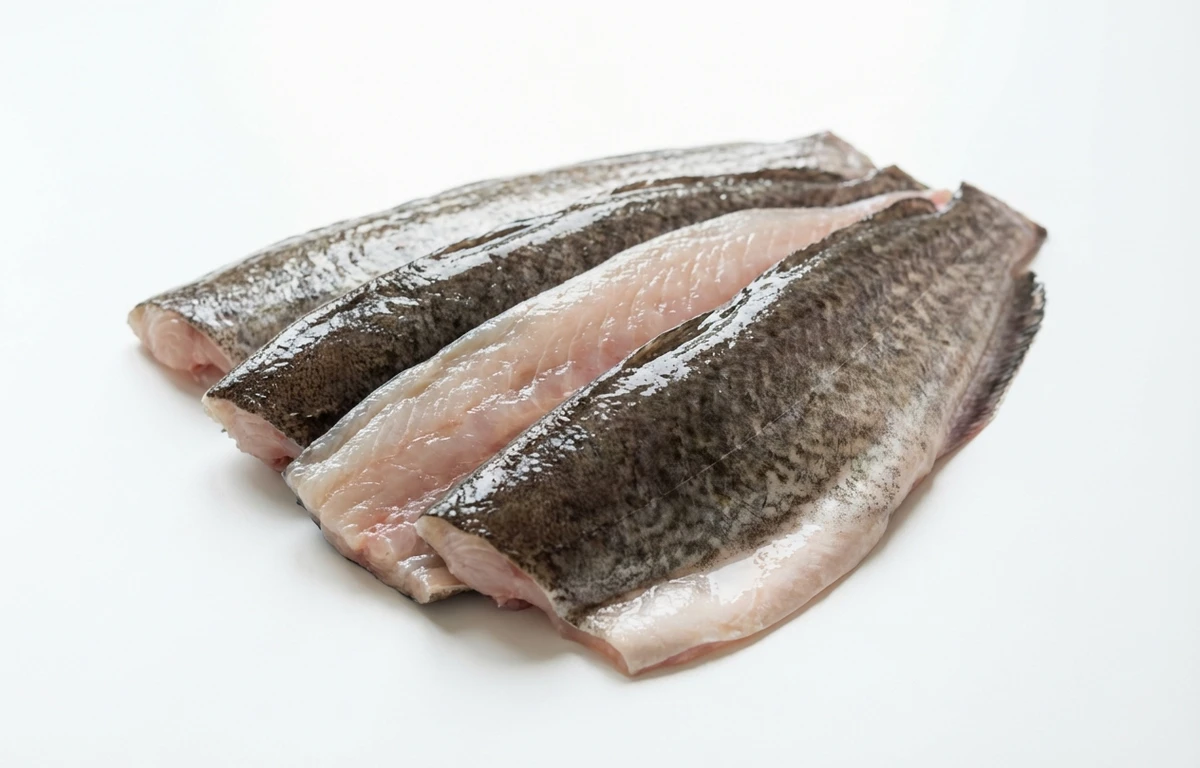
pabo catfish.
VegetarianVeganGluten-freeDairy-freeNut-freePeanut-freeSoy-freeEgg-freeShellfish-freeHoney-freeAlcohol-free
ALSO KNOWN AS
ompok pabopabobutter catfishindian butter catfishpabo pabda
SERVING
CALORIES
105
PROTEIN
16.5g
CARBS
0g
FAT
4.2g
FIBER
0g
This ingredient is flagged as naturally gluten-free. Per 100 g, it provides 0.10 µg of vitamin K.
NUTRITION PROFILE · per 100 g
Everything in this ingredient.
MACRONUTRIENTS
Calories105kcal—
Protein16.5g33%
Carbohydrates0g0%
Fiber0g0%
Sugar0g0%
Total fat4.2g5%
Saturated fat1.1g6%
Trans fat0g—
Cholesterol58mg19%
Water78.2g—
MINERALS
Sodium72mg3%
Potassium345mg7%
Calcium32mg2%
Iron1.2mg7%
Magnesium26mg6%
Phosphorus210mg17%
Zinc0.65mg6%
Copper0.05mg6%
Manganese0.02mg1%
Selenium12.6µg23%
VITAMINS
Vitamin A15µg2%
Vitamin C0mg0%
Vitamin D10.5µg53%
Vitamin E0.80mg5%
Vitamin K0.10µg0%
Thiamin (B1)0.06mg5%
Riboflavin (B2)0.08mg6%
Niacin (B3)2.4mg15%
Pantothenic acid (B5)0.75mg15%
Vitamin B60.18mg11%
Folate (B9)5.0µg1%
Vitamin B122.8µg117%
%DV based on a 2,000 cal diet. Source: USDA FoodData Central. A dash in the %DV column means there’s no established Daily Value for that nutrient.
MEASUREMENT CONVERSIONS
How much is what.
1 cup249.6g
1 tablespoon15.6g
1 teaspoon5.2g
1 oz28.4g
1 lb453.6g
1 ml1g
1 liter1040g
1 piece150g
HEALTH BENEFITS
Why eat it.
- ✓High quality lean protein for muscle repair
- ✓Rich in Omega-3 fatty acids for heart health
- ✓Excellent source of Vitamin B12 for nerve function
- ✓Low in carbohydrates, suitable for keto diets
COOKING TIPS
In the kitchen.
- 1Handle gently as the flesh is delicate and can break easily
- 2Marinate with turmeric and salt to remove any muddy odor
- 3Best prepared in light mustard-based or tomato-based curries
STORAGE
Keep it fresh.
- Store in the coldest part of the refrigerator for 1-2 days
- Freeze in airtight vacuum-sealed bags for up to 3 months
- Keep raw fish separate from cooked foods to avoid cross-contamination
FAQ
Frequently asked questions.
How do I know if Pabo catfish is fresh?
Look for clear, bulging eyes, bright red gills, and firm flesh that springs back when pressed. It should have a mild river scent, not a strong fishy odor.
Does Pabo catfish have many bones?
It has a central backbone and some fine ribs, but it is generally considered easier to eat than many other freshwater fish.
What is the best substitute for Pabo catfish?
Other varieties of Pabda fish, Swai, or any small freshwater catfish with delicate white flesh can be used as a substitute.
Can I freeze Pabo catfish?
Yes, it freezes well. Clean and pat it dry before placing it in a freezer-safe bag. It stays best for up to 3 months.
Is Pabo catfish high in mercury?
As a smaller freshwater fish, it generally has lower mercury levels compared to large predatory marine fish, making it safer for regular consumption.
How should I clean Pabo catfish before cooking?
Remove the gills and entrails, then wash the fish thoroughly with cold water. Rubbing it with salt or lemon juice helps remove the slippery coating.
What are the common dishes made with Pabo?
It is a delicacy in Bengali cuisine, often cooked as 'Pabda Macher Jhal' (spicy curry) or 'Sorshe Pabda' (mustard gravy).



















