
Vegetable
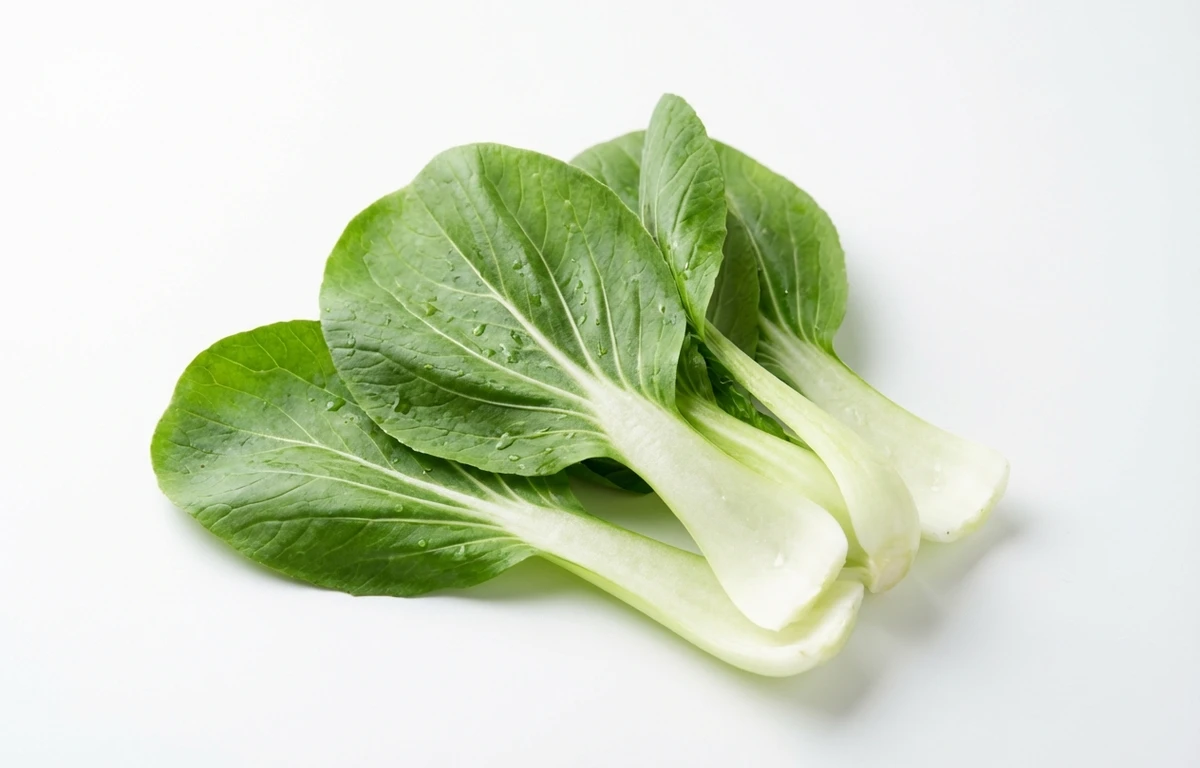
pak choi leaves.
VegetarianVeganGluten-freeDairy-freeNut-freePeanut-freeSoy-freeEgg-freeShellfish-freeHoney-freeAlcohol-freeHalalKosher
ALSO KNOWN AS
bok choypok choichinese chardchinese white cabbagebaicaiqing cai
SERVING
CALORIES
17
PROTEIN
1.5g
CARBS
2.2g
FAT
0.20g
FIBER
1.0g
This ingredient is flagged as naturally gluten-free. Per 100 g, it provides 42.9 µg of vitamin K.
NUTRITION PROFILE · per 100 g
Everything in this ingredient.
MACRONUTRIENTS
Calories16.6kcal—
Protein1.5g3%
Carbohydrates2.2g1%
Fiber1.0g4%
Sugar1.2g2%
Total fat0.20g0%
Saturated fat0.03g0%
Trans fat0g—
Cholesterol0mg0%
Water95.3g—
MINERALS
Sodium65mg3%
Potassium252mg5%
Calcium105mg8%
Iron0.80mg4%
Magnesium19mg5%
Phosphorus37mg3%
Zinc0.19mg2%
Copper0.02mg2%
Manganese0.16mg7%
Selenium0.50µg1%
VITAMINS
Vitamin A243µg27%
Vitamin C45mg50%
Vitamin D0µg0%
Vitamin E0.09mg1%
Vitamin K42.9µg36%
Thiamin (B1)0.04mg3%
Riboflavin (B2)0.07mg5%
Niacin (B3)0.50mg3%
Pantothenic acid (B5)0.09mg2%
Vitamin B60.19mg11%
Biotin (B7)10.3µg34%
Folate (B9)66µg17%
Vitamin B120µg0%
%DV based on a 2,000 cal diet. Source: USDA FoodData Central. A dash in the %DV column means there’s no established Daily Value for that nutrient.
MEASUREMENT CONVERSIONS
How much is what.
1 cup70g
1 tablespoon4.5g
1 teaspoon1.5g
1 oz28.4g
1 lb453.6g
1 ml0.3g
1 liter300g
1 piece150g
HEALTH BENEFITS
Why eat it.
- ✓Provides folate which is essential for DNA repair
COOKING TIPS
In the kitchen.
- 1Separate the thick white stalks from the green leaves as stalks take longer to cook
- 2Stir-fry on high heat for only 2-3 minutes to maintain a crunchy texture
- 3Steam whole baby pak choi for a tender and visually appealing side dish
STORAGE
Keep it fresh.
- Store unwashed in a perforated plastic bag in the refrigerator crisper drawer
- Use within 3 to 5 days for optimal freshness and nutrient retention
- Keep away from ethylene-producing fruits like apples to prevent yellowing
FAQ
Frequently asked questions.
How long does pak choi last in the fridge?
Pak choi typically lasts 3 to 5 days when stored in a plastic bag in the crisper drawer.
Can you freeze pak choi?
Yes, but it must be blanched first. Boil for 2 minutes, plunge into ice water, drain, and freeze for up to 10 months.
What is a good substitute for pak choi?
Swiss chard, Napa cabbage, or spinach are the best alternatives depending on the recipe.
How do you pick the best pak choi?
Look for firm, bright white stalks and dark green leaves without wilting or brown spots.
Do you need to wash pak choi before cooking?
Yes, dirt often gets trapped between the stalks. Rinse thoroughly under cold running water.
Can pak choi be eaten raw?
Absolutely. Raw pak choi leaves are excellent in salads and provide a mild, peppery crunch.
Is pak choi high in calcium?
Yes, it is one of the best plant-based sources of calcium, and it has a high absorption rate.
What is the difference between pak choi and bok choy?
They are the same vegetable; 'pak choi' is more common in British English, while 'bok choy' is common in American English.
Is pak choi keto-friendly?
Yes, with only about 1.2g of net carbs per 100g, it is an excellent choice for ketogenic diets.
RELATED GUIDES



















