
Loading...
Per 100g
Nutrition data source: USDA FoodData Central
Common measurement equivalents in grams
Yes, palak is exceptionally healthy. It is a nutrient-dense leafy green that provides high amounts of Vitamin K for bone health, Vitamin A for vision, and iron for red blood cell production, all while being very low in calories.
Palak is very low in calories and carbohydrates, containing approximately 23 calories and 3.6g of carbs per 100g. This makes it an ideal ingredient for volume eating and low-calorie diets.
Yes, palak is excellent for weight loss due to its high fiber content and low calorie density. The fiber helps promote satiety and gut health, making you feel full for longer periods.
Palak is highly keto-friendly. With only 3.6g of total carbohydrates per 100g (and even fewer net carbs due to fiber), it is a staple vegetable for those following a ketogenic or low-carb lifestyle.
Yes, palak can be eaten raw in salads, juices, or smoothies. While raw palak retains more Vitamin C, cooking it slightly can help reduce oxalic acid and improve the absorption of its iron and calcium content.
Palak often contains grit and soil, so it should be submerged in a bowl of cold water, swished around, and drained. Repeat this process until no sediment remains at the bottom of the bowl, then pat the leaves dry before use.
Store unwashed palak leaves in a container or plastic bag lined with paper towels to absorb excess moisture. Keep it in the refrigerator's crisper drawer; it typically stays fresh for 3 to 5 days.
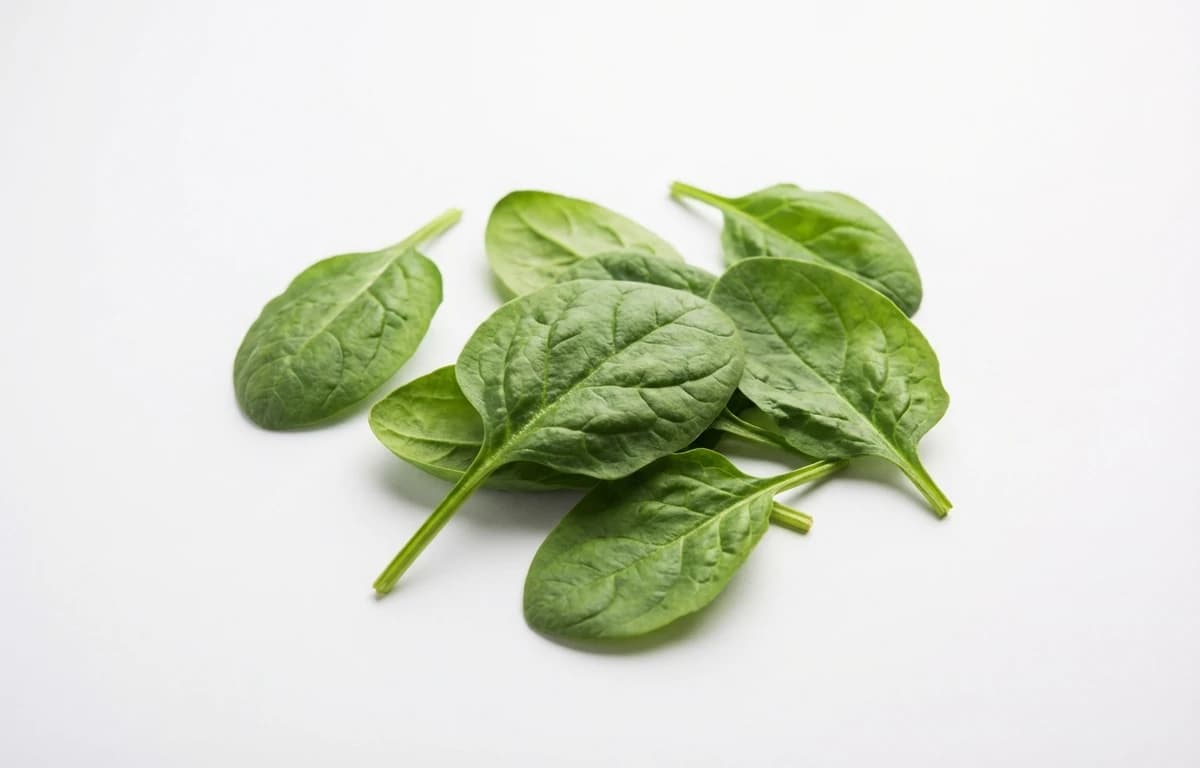
Palak Leaves is a versatile ingredient found in cuisines around the world. With 23 calories per 100g and 2.9 grams of protein, it's a nutritious addition to many dishes.
Explore more ingredients in the vegetable category with complete nutrition information.
View all vegetable →Discover 1 recipes featuring palak leaves with step-by-step instructions.
Browse recipes →Fresh palak should be bright green and crisp. If the leaves become slimy, develop dark spots, turn yellow, or have a sour or pungent smell, they have spoiled and should be discarded.
While palak contains about 2.9g of protein per 100g, which is high for a vegetable, it is not a complete protein source. It should be paired with legumes, grains, or dairy to meet daily protein requirements.
Some water-soluble vitamins like Vitamin C can be lost during boiling. To retain the most nutrients, try quick cooking methods such as steaming, sautéing, or blanching for just 1-2 minutes.