
Loading...
Per 100g
Nutrition data source: USDA FoodData Central
Yes, palanga saga is very healthy. It's a nutrient-dense leafy green, low in calories but rich in essential vitamins like K and A, and minerals such as iron. It also contains beneficial antioxidants and nitrates that support overall well-being.
Palanga saga is packed with nutrients. It's an excellent source of Vitamin K for bone health and blood clotting, Vitamin A for vision, and iron for energy. Additionally, it provides powerful antioxidants like lutein and zeaxanthin, which protect eye health, and nitrates that can help moderate blood pressure.
Yes, palanga saga is an excellent food for weight loss. It is very low in calories (23 calories per 100g) and fat, while being relatively high in fiber and protein (2.86g per 100g). Its high fiber content helps promote satiety and aids digestion, making it a filling and nutritious choice for managing weight.
Yes, absolutely. Palanga saga is a leafy green vegetable, making it a natural and excellent component of both vegan and vegetarian diets. It provides essential nutrients often sought after in plant-based eating, such as iron and protein.
Yes, palanga saga is naturally gluten-free as it is a vegetable. It can also be considered keto-friendly in moderation due to its low carbohydrate content (3.63g per 100g), making it a suitable leafy green for those following a ketogenic diet.
Palanga saga is versatile and can be cooked in various ways. It's commonly sautéed with garlic and spices, added to curries, stir-fries, or soups. It can also be blanched and used in salads or as a side dish, similar to spinach.
palanga saga is a versatile ingredient found in cuisines around the world. With 23 calories per 100g and 2.86 grams of protein, it's a nutritious addition to many dishes.
Explore more ingredients in the vegetable category with complete nutrition information.
View all vegetable →Discover 0 recipes featuring palanga saga with step-by-step instructions.
Browse recipes →Palanga saga has a mild, slightly earthy, and subtly bitter taste, similar to spinach but often described as having a slightly more robust flavor. When cooked, its flavor mellows, making it a pleasant addition to many dishes.
Yes, palanga saga can be eaten raw, especially when young and tender. It can be added to salads, smoothies, or sandwiches for a nutritional boost. However, cooking can sometimes reduce its oxalic acid content and make certain nutrients more bioavailable.
To keep palanga saga fresh, store it unwashed in a loose plastic bag or wrapped in a damp paper towel in the crisper drawer of your refrigerator. This method helps maintain its moisture and can keep it fresh for 3-5 days.
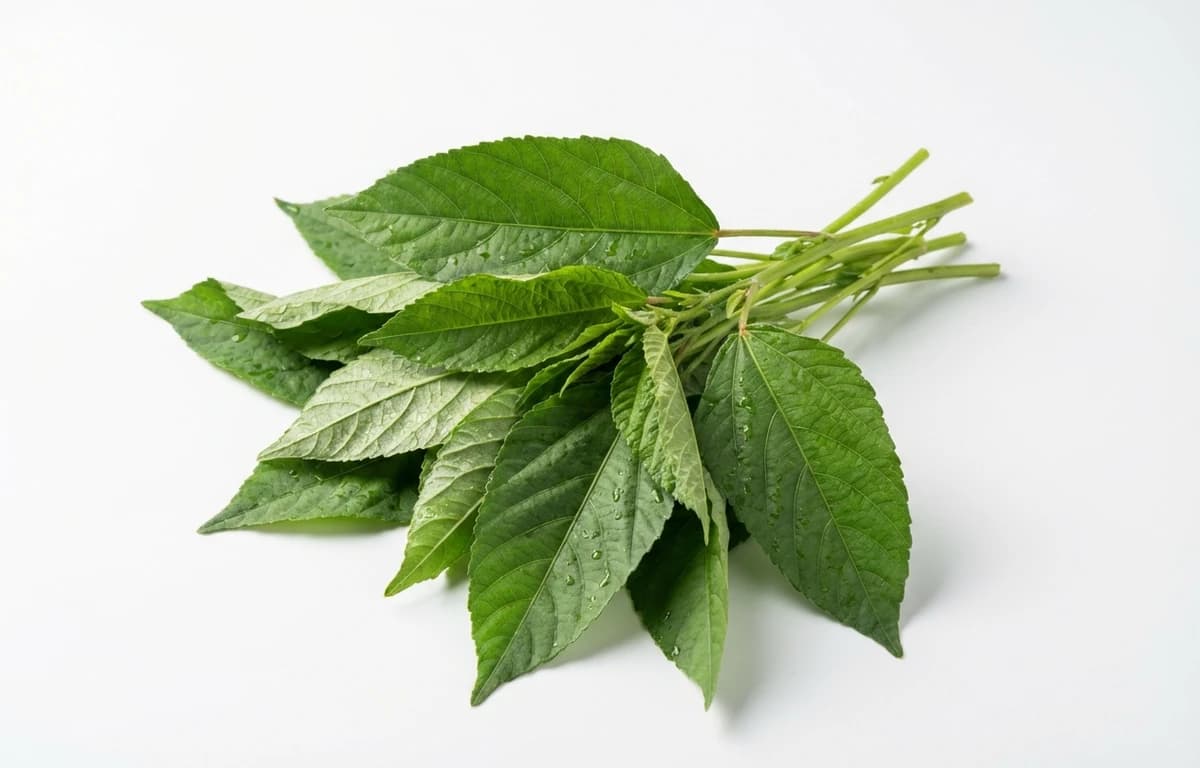
When selecting palanga saga, look for vibrant green leaves that are crisp and firm, not wilted or yellowed. Avoid bunches with signs of sliminess, holes, or excessive moisture, as these indicate spoilage.