
Oil
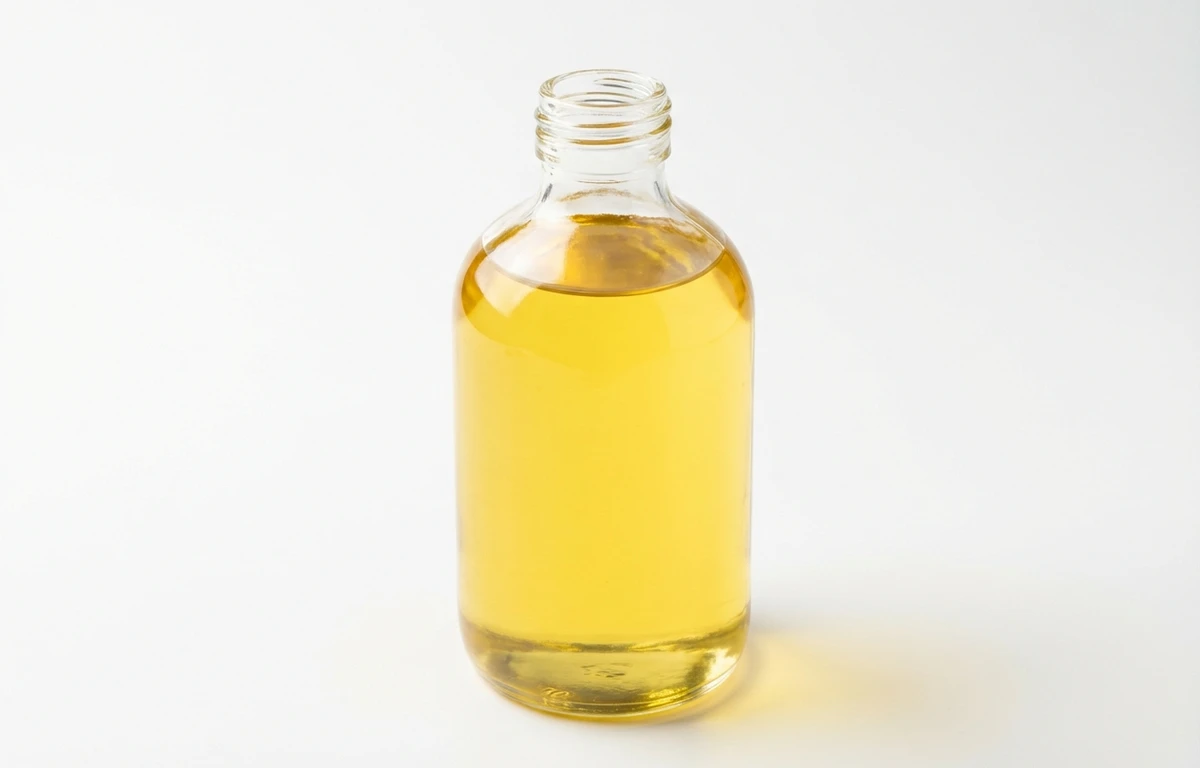
palm kernel vegetable oil.
VegetarianVeganGluten-freeDairy-freeNut-freePeanut-freeSoy-freeEgg-freeShellfish-freeHoney-freeAlcohol-free
ALSO KNOWN AS
palm kernel oilPKOelaeis guineensis oilkernel oil
SERVING
CALORIES
884
PROTEIN
0g
CARBS
0g
FAT
100g
FIBER
0g
This ingredient is flagged as naturally gluten-free. Per 100 g, it provides 24.7 µg of vitamin K.
NUTRITION PROFILE · per 100 g
Everything in this ingredient.
MACRONUTRIENTS
Calories884kcal—
Protein0g0%
Carbohydrates0g0%
Fiber0g0%
Sugar0g0%
Total fat100g128%
Saturated fat81.5g408%
Trans fat0g—
Cholesterol0mg0%
Water0g—
MINERALS
Sodium0mg0%
Potassium0mg0%
Calcium0mg0%
Iron0mg0%
VITAMINS
Vitamin A0µg0%
Vitamin C0mg0%
Vitamin D0µg0%
Vitamin E3.8mg25%
Vitamin K24.7µg21%
Thiamin (B1)0mg0%
Riboflavin (B2)0mg0%
Niacin (B3)0mg0%
Pantothenic acid (B5)0mg0%
Vitamin B60mg0%
Folate (B9)0µg0%
Vitamin B120µg0%
%DV based on a 2,000 cal diet. Source: USDA FoodData Central. A dash in the %DV column means there’s no established Daily Value for that nutrient.
MEASUREMENT CONVERSIONS
How much is what.
1 cup218g
1 tablespoon13.6g
1 teaspoon4.5g
1 oz28.4g
1 lb453.6g
1 ml0.9g
1 liter910g
HEALTH BENEFITS
Why eat it.
- ✓High energy density source
- ✓Naturally cholesterol-free
- ✓Contains medium-chain fatty acids which are easily metabolized
COOKING TIPS
In the kitchen.
- 1Ideal for deep frying due to its high smoke point of 450°F (232°C)
- 2Commonly used in confectionery for its stable melting properties
- 3Excellent for commercial baking to provide a crisp texture
STORAGE
Keep it fresh.
- Store in a cool, dark place away from direct sunlight
- Keep the container tightly sealed to prevent oxidation
- Can be stored at room temperature for up to 2 years
FAQ
Frequently asked questions.
How long does palm kernel oil last?
It has a very long shelf life, typically lasting up to 24 months if stored in a cool, dry place away from light.
Is palm kernel oil the same as palm oil?
No. Palm oil is extracted from the fleshy fruit of the oil palm, while palm kernel oil is extracted from the seed (kernel). They have different fatty acid profiles.
What is a good substitute for palm kernel oil?
Coconut oil is the best substitute because it has a similar high saturated fat content and behaves similarly in cooking and baking.
Does palm kernel oil contain trans fats?
In its natural or fully refined state, it contains zero trans fats. However, partially hydrogenated versions may contain them.
Is it suitable for high-heat cooking?
Yes, its high smoke point (450°F) makes it very stable for frying and high-heat sautéing.
Why is it used in chocolate and coatings?
It is used because it remains solid at room temperature and has a sharp melting point, providing a pleasant mouthfeel.
Is palm kernel oil healthy?
It is very high in saturated fats (over 80%). While it provides energy and vitamins, it should be consumed in moderation as part of a balanced diet.
How do I identify high-quality palm kernel oil?
Look for oil that is clear (when liquid) or creamy white (when solid), with a neutral odor and no signs of rancidity or sediment.
Can palm kernel oil be frozen?
Yes, it can be frozen to extend shelf life further, though it is naturally stable enough that room temperature storage is usually sufficient.



















