
Loading...
Per 100g
Nutrition data source: USDA FoodData Central
Common measurement equivalents in grams
Paratha can be a healthy part of a balanced diet, especially when made with whole wheat flour (atta). It provides sustained energy from complex carbohydrates and can be a good source of dietary fiber, aiding digestion. However, traditional parathas can be high in fat and calories due to the use of oil or ghee, so moderation is key.
Approximately 100g of paratha contains about 326 calories and 45.35g of carbohydrates. The exact nutritional content can vary based on the ingredients used, such as the type of flour, amount of oil/ghee, and any fillings.
Due to its calorie and fat content, paratha should be consumed in moderation if you are aiming for weight loss. Opting for parathas made with whole wheat flour and minimal oil, or choosing smaller portions, can make it a more suitable option. Pairing it with lean protein and vegetables can also help with satiety.
No, traditional paratha is not gluten-free. It is typically made from wheat flour, which contains gluten. For a gluten-free alternative, you would need to use gluten-free flours like rice flour, millet flour, or a gluten-free blend, though the texture might differ.
Traditional paratha is often not vegan because it commonly uses ghee (clarified butter) for kneading the dough and cooking. However, it can easily be made vegan by substituting ghee with plant-based oils like vegetable oil or olive oil, and ensuring no dairy is used in the dough.
Diabetics can consume paratha in moderation, focusing on portion control due to its carbohydrate content. Choosing parathas made with whole wheat flour can be beneficial as the fiber helps manage blood sugar levels. It's advisable to pair it with high-fiber vegetables and lean protein to create a balanced meal.
paratha flatbread is a versatile ingredient found in cuisines around the world. With 326 calories per 100g and 6.36 grams of protein, it's a nutritious addition to many dishes.
Explore more ingredients in the grain category with complete nutrition information.
View all grain →Discover 0 recipes featuring paratha flatbread with step-by-step instructions.
Browse recipes →Paratha is typically cooked on a hot griddle or tawa. The rolled-out dough is placed on the hot surface, cooked for a minute on each side, then a small amount of oil or ghee is applied. It's then cooked until golden brown and flaky, often pressed gently to ensure even cooking.
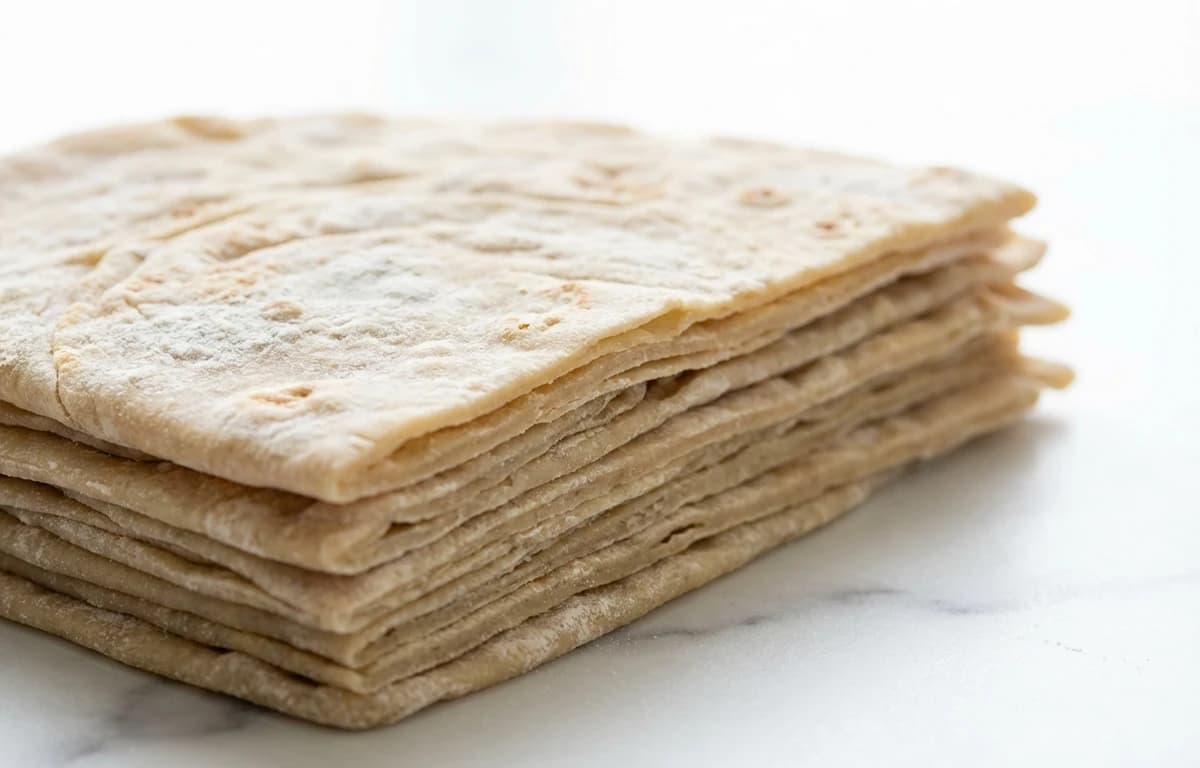
Paratha has a distinct flaky, layered texture with a slightly crispy exterior and a soft interior. Its flavor is savory and can range from plain to richly spiced, depending on the filling. The use of ghee or oil imparts a rich, buttery taste.
Cooked parathas can be stored in an airtight container in the refrigerator for 2-3 days. For longer storage, uncooked paratha dough or partially cooked parathas can be frozen for up to 2-3 months. Thaw frozen parathas before reheating on a griddle.
The main difference lies in their preparation and texture. Roti is a thin, unleavened flatbread typically made without oil or fat, resulting in a soft, pliable texture. Paratha, on the other hand, is often layered and cooked with oil or ghee, giving it a richer flavor and a distinct flaky, crispy texture.