
Dairy
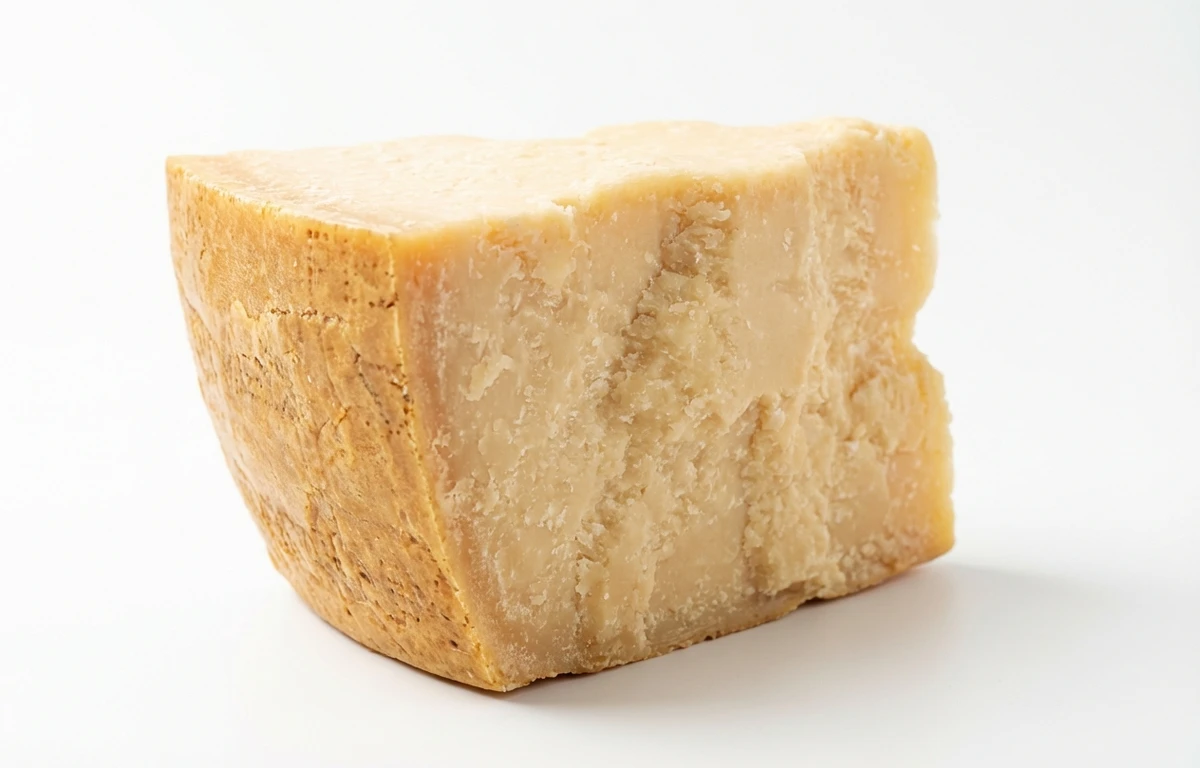
parmigiano-reggiano cheese.
VegetarianVeganGluten-freeDairy-freeNut-freePeanut-freeSoy-freeEgg-freeShellfish-freeHoney-freeAlcohol-freeHalalKosherFermented
ALSO KNOWN AS
parmigiano
SERVING
CALORIES
392
PROTEIN
35.8g
CARBS
3.2g
FAT
25.8g
FIBER
0g
NUTRITION PROFILE · per 100 g
Everything in this ingredient.
MACRONUTRIENTS
Calories392kcal—
Protein35.8g72%
Carbohydrates3.2g1%
Fiber0g0%
Sugar0.80g2%
Total fat25.8g33%
Saturated fat16.4g82%
Cholesterol68mg23%
MINERALS
Sodium1529mg66%
Potassium100mg2%
Calcium1184mg91%
Iron0.83mg5%
Magnesium44mg10%
Phosphorus694mg56%
Zinc3.9mg36%
Copper0.03mg3%
Manganese0.02mg1%
Selenium20.2µg37%
VITAMINS
Vitamin A198µg22%
Vitamin C0mg0%
Vitamin D0.40µg2%
Vitamin E0.31mg2%
Vitamin K1.7µg1%
Thiamin (B1)0.03mg3%
Riboflavin (B2)0.32mg25%
Niacin (B3)0.09mg1%
Pantothenic acid (B5)0.33mg7%
Vitamin B60.09mg5%
Folate (B9)18µg5%
Vitamin B121.7µg71%
%DV based on a 2,000 cal diet. Source: USDA FoodData Central. A dash in the %DV column means there’s no established Daily Value for that nutrient.
MEASUREMENT CONVERSIONS
How much is what.
1 cup100g
1 tablespoon5g
1 teaspoon2.5g
1 oz28.4g
1 lb453.6g
1 ml0.4g
1 liter333.3g
HEALTH BENEFITS
Why eat it.
- ✓Excellent source of calcium and phosphorus, crucial for bone health and density.
- ✓Rich in high-quality, complete protein, providing all essential amino acids for muscle maintenance and repair.
- ✓Naturally lactose-free due to its long aging process, making it digestible for most people with lactose intolerance.
- ✓A good source of conjugated linoleic acid (CLA), a fatty acid linked to potential health benefits.
COOKING TIPS
In the kitchen.
- 1For the best flavor and texture, always grate the cheese from a wedge just before using it.
- 2Do not discard the rind; add it to soups, stews, or sauces to infuse them with a deep, savory umami flavor. Remove the rind before serving.
- 3When adding to hot dishes like pasta or risotto, stir it in off the heat to prevent it from becoming stringy or oily.
- 4Bring to room temperature for about 30 minutes before serving on its own to fully appreciate its complex nutty and savory notes.
STORAGE
Keep it fresh.
- Wrap the cheese wedge in wax or parchment paper, then place it in a partially sealed plastic bag or container to allow it to breathe.
- Store in the refrigerator, ideally in the cheese drawer or vegetable crisper where the temperature is consistent, around 4-8°C (39-46°F).
FAQ
Frequently asked questions.
Is Parmigiano-Reggiano cheese healthy?
Yes, Parmigiano-Reggiano is a nutritious cheese. It's an excellent source of high-quality protein, calcium, and phosphorus, which are crucial for bone health and muscle maintenance. While it is calorie-dense and contains fat, its rich nutrient profile makes it a beneficial addition to a balanced diet in moderation.
What are the key nutritional values of Parmigiano-Reggiano?
Per 100g, Parmigiano-Reggiano contains approximately 392 calories, 35.75g of protein, 3.22g of carbohydrates, and 25.83g of fat. It's particularly noted for its high protein content and being rich in essential minerals like calcium and phosphorus.
Is Parmigiano-Reggiano suitable for people with lactose intolerance?
Yes, Parmigiano-Reggiano is naturally lactose-free due to its long aging process. During aging, the lactose sugars are broken down by enzymes, making it digestible for most individuals with lactose intolerance. This makes it a safe dairy option for many.
Is Parmigiano-Reggiano gluten-free?
Yes, authentic Parmigiano-Reggiano cheese is naturally gluten-free. It is made solely from milk, salt, and rennet, none of which contain gluten. It is a safe option for individuals following a gluten-free diet.
Is Parmigiano-Reggiano keto-friendly?
Yes, Parmigiano-Reggiano is considered keto-friendly. With only about 3.22g of carbohydrates per 100g, it is very low in carbs and high in protein and fat, making it suitable for ketogenic diets. It can add flavor and nutrients without significantly impacting carb intake.
What does Parmigiano-Reggiano taste like and how is it best used in cooking?
Parmigiano-Reggiano has a complex, nutty, salty, and slightly fruity flavor with a granular texture. It's best known for grating over pasta, risottos, and salads, but it can also be shaved into thin slices for appetizers or enjoyed in chunks with balsamic vinegar. Its intense flavor means a little goes a long way.
Can Parmigiano-Reggiano be melted or cooked?
While Parmigiano-Reggiano is primarily used as a finishing cheese, it can be melted and cooked. It melts well, adding a rich, savory depth to sauces, gratins, and baked dishes. However, its strong flavor means it's often used sparingly in melted applications compared to milder cheeses.
How should I store Parmigiano-Reggiano cheese to keep it fresh?
To keep Parmigiano-Reggiano fresh, wrap it tightly in parchment paper, then in plastic wrap or foil, and store it in the coldest part of your refrigerator. This method allows the cheese to breathe slightly while preventing it from drying out or absorbing other odors. Avoid direct contact with plastic wrap for extended periods.
How long does Parmigiano-Reggiano typically last?
A properly stored wedge of Parmigiano-Reggiano can last for several weeks, or even up to a few months, in the refrigerator. Grated Parmigiano-Reggiano has a shorter shelf life, typically lasting about 1-2 weeks. Always check for any signs of mold or off-smells before consuming.
Can you freeze Parmigiano-Reggiano cheese?
Yes, you can freeze Parmigiano-Reggiano, especially if you have a large piece or want to extend its shelf life. It's best to freeze it in smaller, tightly wrapped portions. While freezing may slightly alter the texture, it will still be excellent for grating over cooked dishes after thawing.



















