
Nut Seed
partially defatted sesame flour.
VegetarianVeganGluten-freeDairy-freeNut-freePeanut-freeSoy-freeEgg-freeShellfish-freeHoney-freeAlcohol-free
ALSO KNOWN AS
sesame flour
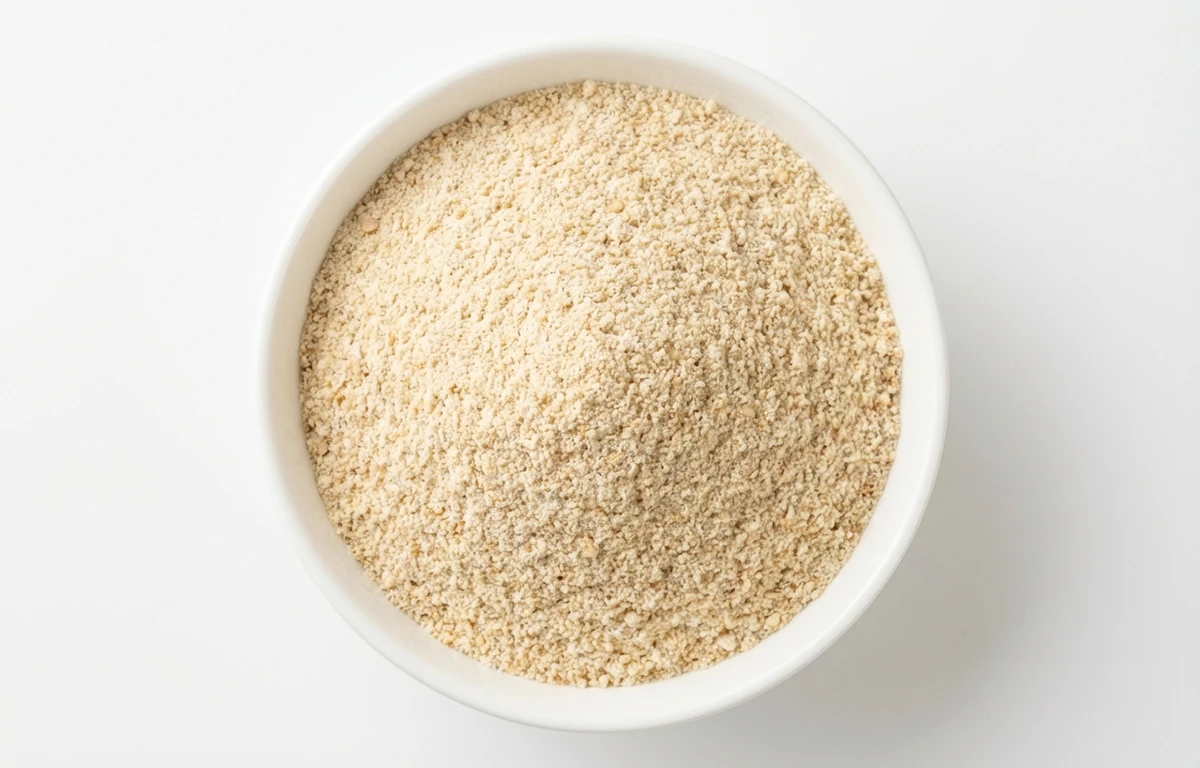
SERVING
CALORIES
382
PROTEIN
48.5g
CARBS
26.2g
FAT
12.1g
FIBER
15.8g
NUTRITION PROFILE · per 100 g
Everything in this ingredient.
MACRONUTRIENTS
Calories382kcal—
Protein48.5g97%
Carbohydrates26.2g10%
Fiber15.8g56%
Sugar0.30g1%
Total fat12.1g16%
Saturated fat1.8g9%
Trans fat0g—
Cholesterol0mg0%
Water5.2g—
MINERALS
Sodium38mg2%
Potassium450mg10%
Calcium150mg12%
Iron14.5mg81%
Magnesium360mg86%
Phosphorus780mg62%
Zinc10.2mg93%
Copper4.0mg444%
Manganese2.5mg109%
Selenium34µg62%
VITAMINS
Vitamin A0µg0%
Vitamin C0mg0%
Vitamin D0µg0%
Vitamin E0.25mg2%
Vitamin K0µg0%
Thiamin (B1)1.2mg100%
Riboflavin (B2)0.20mg15%
Niacin (B3)12.1mg76%
Pantothenic acid (B5)0.05mg1%
Vitamin B60.80mg47%
Folate (B9)95µg24%
Vitamin B120µg0%
%DV based on a 2,000 cal diet. Source: USDA FoodData Central. A dash in the %DV column means there’s no established Daily Value for that nutrient.
MEASUREMENT CONVERSIONS
How much is what.
1 cup100g
1 tablespoon6.3g
1 teaspoon2.1g
1 ml0.4g
1 liter420g
HEALTH BENEFITS
Why eat it.
- ✓High in plant-based protein and dietary fiber, which aids in muscle maintenance and digestive health.
- ✓Excellent source of essential minerals such as calcium, magnesium, and zinc, supporting bone density and immune function.
- ✓Contains beneficial lignans like sesamin, which have antioxidant and anti-inflammatory properties.
- ✓Lower in fat and calories compared to whole sesame seeds or tahini, making it a nutrient-dense option for weight management.
COOKING TIPS
In the kitchen.
- 1Use as a gluten-free flour by substituting 20-30% of the total flour in baking recipes for bread, cookies, or muffins to add a nutty flavor and boost protein content.
- 2Blend into smoothies, stir into oatmeal, or mix with yogurt for an easy protein and mineral supplement.
- 3Whisk with water, lemon juice, and garlic to create a lower-fat alternative to tahini for use in dressings, dips like hummus, or sauces.
- 4Utilize as a thickener for soups, stews, and gravies, contributing a creamy texture and savory depth.
STORAGE
Keep it fresh.
- Store in a cool, dark, and dry place in an airtight container for up to 6 months to maintain freshness.
- For longer storage (up to one year), place the sealed container in the refrigerator or freezer to prevent the remaining oils from becoming rancid.
FAQ
Frequently asked questions.
Is partially defatted sesame flour healthy?
Yes, it's highly nutritious. It's an excellent source of plant-based protein and dietary fiber, supporting muscle health and digestion. It also provides essential minerals like calcium, magnesium, and zinc, along with beneficial antioxidants such as lignans.
How much protein is in partially defatted sesame flour?
Partially defatted sesame flour is remarkably high in protein, containing approximately 48.5 grams per 100 grams. This makes it a potent plant-based protein source, comparable to or even exceeding many meat products.
Is partially defatted sesame flour good for weight loss?
Yes, it can be beneficial for weight management. Its high protein and fiber content promote satiety, helping to reduce overall calorie intake. Being partially defatted, it also has fewer calories and less fat than whole sesame seeds or tahini.
Is partially defatted sesame flour gluten-free?
Yes, pure partially defatted sesame flour is naturally gluten-free. It is derived solely from sesame seeds, which do not contain gluten, making it suitable for individuals with celiac disease or gluten sensitivity.
Is partially defatted sesame flour vegan?
Yes, partially defatted sesame flour is 100% vegan. It is made exclusively from sesame seeds, a plant-based ingredient, without any animal products or by-products.
Is partially defatted sesame flour keto-friendly?
While it contains some carbohydrates (26.2g per 100g), its high protein and fiber content, along with its relatively low net carbs compared to other flours, can make it suitable for some keto diets in moderation. Always check the specific carb count for your dietary goals.
How can I use partially defatted sesame flour in cooking?
It's versatile! You can use it to boost protein in smoothies, baked goods like bread and muffins, or as a thickener for sauces and soups. It can also be partially substituted for other flours in recipes to add a nutty flavor and nutritional value.
What does partially defatted sesame flour taste like?
It has a mild, nutty, and slightly earthy flavor characteristic of sesame, but less intense than whole sesame seeds or tahini due to the reduced fat content. It generally blends well without overpowering other flavors.
How should I store partially defatted sesame flour?
Store it in an airtight container in a cool, dark, and dry place to maintain freshness and prevent rancidity. For extended shelf life, especially in humid climates, refrigeration or freezing is recommended.
What is the difference between partially defatted sesame flour and whole sesame flour/tahini?
Partially defatted sesame flour has had a significant portion of its oil removed, resulting in a higher protein and fiber content and lower fat and calorie count compared to whole sesame flour or tahini. Whole sesame flour includes all the natural oils, and tahini is a paste made from ground whole sesame seeds.



















