
Oil
partially hydrogenated soybean-cottonseed household shortening.
VegetarianVeganGluten-freeDairy-freeNut-freePeanut-freeSoy-freeEgg-freeShellfish-freeHoney-freeAlcohol-free
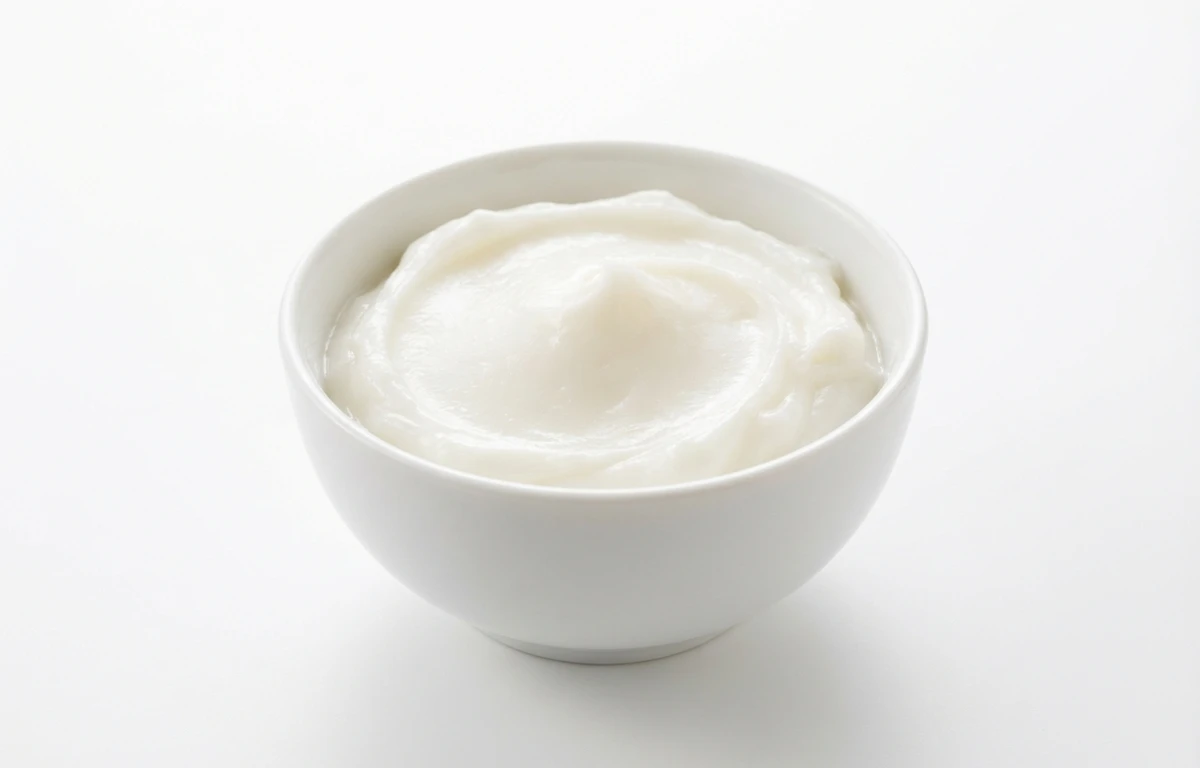
SERVING
CALORIES
884
PROTEIN
0g
CARBS
0g
FAT
100g
FIBER
0g
This ingredient is flagged as naturally gluten-free. Per 100 g, it provides 43 µg of vitamin K.
NUTRITION PROFILE · per 100 g
Everything in this ingredient.
MACRONUTRIENTS
Calories884kcal—
Protein0g0%
Carbohydrates0g0%
Fiber0g0%
Sugar0g0%
Total fat100g128%
Saturated fat25g125%
Cholesterol0mg0%
Water0g—
MINERALS
Sodium0mg0%
Potassium0mg0%
Calcium0mg0%
Iron0mg0%
Magnesium0mg0%
Phosphorus0mg0%
Zinc0mg0%
Copper0mg0%
Selenium0µg0%
VITAMINS
Vitamin A0µg0%
Vitamin C0mg0%
Vitamin D0µg0%
Vitamin E6.1mg41%
Vitamin K43µg36%
Thiamin (B1)0mg0%
Riboflavin (B2)0mg0%
Niacin (B3)0mg0%
Pantothenic acid (B5)0mg0%
Vitamin B60mg0%
Folate (B9)0µg0%
Vitamin B120µg0%
%DV based on a 2,000 cal diet. Source: USDA FoodData Central. A dash in the %DV column means there’s no established Daily Value for that nutrient.
MEASUREMENT CONVERSIONS
How much is what.
1 cup205g
1 tablespoon12.8g
1 teaspoon4.3g
1 ml0.9g
1 liter853.3g
HEALTH BENEFITS
Why eat it.
- ✓Provides a flaky, layered texture in baked goods like pie crusts and biscuits due to its fat crystal structure.
- ✓Creates a soft, tender crumb in cakes and cookies by shortening gluten strands.
- ✓Historically used as an economical, cholesterol-free, and dairy-free alternative to animal fats like butter and lard.
COOKING TIPS
In the kitchen.
- 1For the flakiest pie crusts and pastries, keep the shortening very cold and cut it into the flour until it resembles coarse crumbs or small peas.
- 2Due to its high smoke point and stability, it is effective for deep-frying, producing crisp results.
- 3When substituting for butter, remember that shortening is 100% fat while butter is ~80% fat. This may affect moisture and browning in the final product.
- 4Use to grease baking pans to create a reliable non-stick surface for cakes and other baked items.
STORAGE
Keep it fresh.
- Store in a cool, dark place such as a pantry, away from direct sunlight and heat sources.
- Keep the container tightly sealed to prevent oxidation and the absorption of foreign odors; refrigeration is not necessary.
FAQ
Frequently asked questions.
What are the nutritional facts for partially hydrogenated soybean-cottonseed shortening?
Per 100g, this shortening contains approximately 884 calories and 100g of fat, with 0g protein and 0g carbohydrates. A significant portion of this fat is trans fat, which is detrimental to cardiovascular health.
Is partially hydrogenated soybean-cottonseed shortening vegan?
Yes, partially hydrogenated soybean-cottonseed shortening is typically vegan. It is made from plant-based oils (soybean and cottonseed) and does not contain any animal products or dairy ingredients.
Is partially hydrogenated soybean-cottonseed shortening gluten-free?
Yes, this shortening is naturally gluten-free. It is composed solely of fats derived from soybean and cottonseed oils and does not contain any wheat, barley, rye, or other gluten-containing grains.
What is partially hydrogenated soybean-cottonseed shortening used for in cooking?
It is primarily used in baking to create specific textures. It excels at producing flaky pie crusts, tender biscuits, and soft cakes and cookies due to its unique fat crystal structure and ability to 'shorten' gluten strands.
Can I substitute partially hydrogenated shortening with other fats?
Yes, you can. For healthier alternatives, solid fats like butter, lard, or non-hydrogenated vegetable shortenings (often made from palm oil) can be used. However, the texture of the final product might vary slightly, as partially hydrogenated shortening has unique properties for flakiness and tenderness.
How long does partially hydrogenated shortening last?
Unopened, it can last for up to two years or more past its manufacturing date due to its stability. Once opened, it's best to use it within six months to a year for optimal quality, though it may remain safe to use for longer if stored properly.



















