
Vegetable
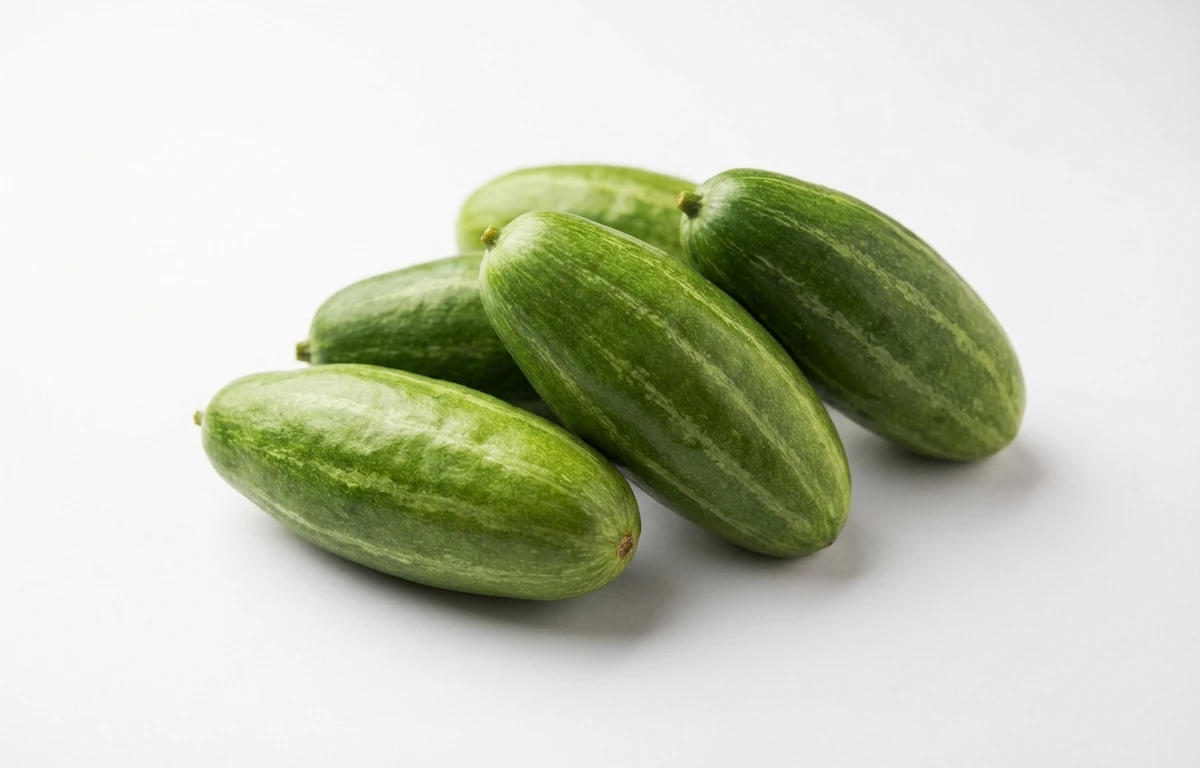
parwar.
VegetarianVeganGluten-freeDairy-freeNut-freePeanut-freeSoy-freeEgg-freeShellfish-freeHoney-freeAlcohol-freeHalalKosher
SERVING
CALORIES
24
PROTEIN
1.4g
CARBS
3.5g
FAT
0.30g
FIBER
2.6g
This ingredient is flagged as naturally gluten-free. Per 100 g, it provides 8.4 µg of vitamin K.
NUTRITION PROFILE · per 100 g
Everything in this ingredient.
MACRONUTRIENTS
Calories24.1kcal—
Protein1.4g3%
Carbohydrates3.5g1%
Fiber2.6g9%
Sugar0.37g1%
Total fat0.30g0%
Saturated fat0.10g1%
Trans fat0g—
Cholesterol0mg0%
Water91.6g—
MINERALS
Sodium2.3mg0%
Potassium117mg2%
Calcium30.8mg2%
Iron0.50mg3%
Magnesium24.6mg6%
Phosphorus33.8mg3%
Zinc0.23mg2%
Copper0.09mg10%
Manganese0.13mg6%
Selenium2.3µg4%
VITAMINS
Vitamin A13.1µg1%
Vitamin C19.2mg21%
Vitamin D0.69µg3%
Vitamin E0.04mg0%
Vitamin K8.4µg7%
Thiamin (B1)0.05mg4%
Riboflavin (B2)0.05mg4%
Niacin (B3)0.67mg4%
Pantothenic acid (B5)0.25mg5%
Vitamin B60.20mg12%
Biotin (B7)9.9µg33%
Folate (B9)20µg5%
%DV based on a 2,000 cal diet. Source: USDA FoodData Central. A dash in the %DV column means there’s no established Daily Value for that nutrient.
MEASUREMENT CONVERSIONS
How much is what.
1 cup130g
1 tablespoon8.1g
1 teaspoon2.7g
1 oz28.4g
1 lb453.6g
1 ml0.5g
1 liter542g
1 piece45g
HEALTH BENEFITS
Why eat it.
- ✓Traditionally used in Ayurvedic medicine to help purify the blood and manage fever.
COOKING TIPS
In the kitchen.
- 1Lightly scrape the outer skin with a knife instead of peeling it completely to retain nutrients close to the skin.
- 2Parwar can be stuffed with a mixture of spices, paneer, or potatoes and then fried or cooked in a gravy.
- 3It pairs well with potatoes in classic Indian dishes like 'Aloo Parwal ki Sabzi'.
- 4For a quick stir-fry, slice into rounds or lengthwise strips and sauté with cumin seeds, turmeric, and other spices until tender.
STORAGE
Keep it fresh.
- Store unwashed parwar in a perforated plastic bag in the refrigerator's crisper drawer for up to one week.
- Avoid washing until just before use to prevent moisture buildup and spoilage.
FAQ
Frequently asked questions.
Is parwar vegan and gluten-free?
Yes, parwar is naturally both vegan and gluten-free. As a vegetable, it contains no animal products or gluten, making it suitable for a wide range of dietary preferences and restrictions.
How do you cook parwar?
Parwar is a versatile vegetable commonly used in Indian cuisine. It can be stir-fried, deep-fried, added to curries, stews, and sabzis (dry vegetable dishes). It's also popular stuffed with spices and cooked.
What does parwar taste like?
Parwar has a mild, slightly bitter taste when raw, which mellows significantly upon cooking. It has a tender texture and readily absorbs flavors from spices and other ingredients, making it a good base for many savory dishes.
How do you select and store fresh parwar?
Select parwar that is firm, bright green, and free from blemishes or soft spots. Store fresh parwar in a perforated plastic bag in the refrigerator's crisper drawer, where it can last for about 5-7 days.
Do I need to peel parwar before cooking?
No, peeling parwar is generally not necessary. The skin is thin and edible, and much of the fiber and nutrients are concentrated just beneath it. You can simply wash it thoroughly and trim the ends before cooking.
Can parwar be eaten raw?
While technically edible raw, parwar is typically not consumed raw due to its slightly firm texture and mild bitterness. It is almost always cooked to soften it and enhance its flavor profile, making it more palatable.



















