
Dairy
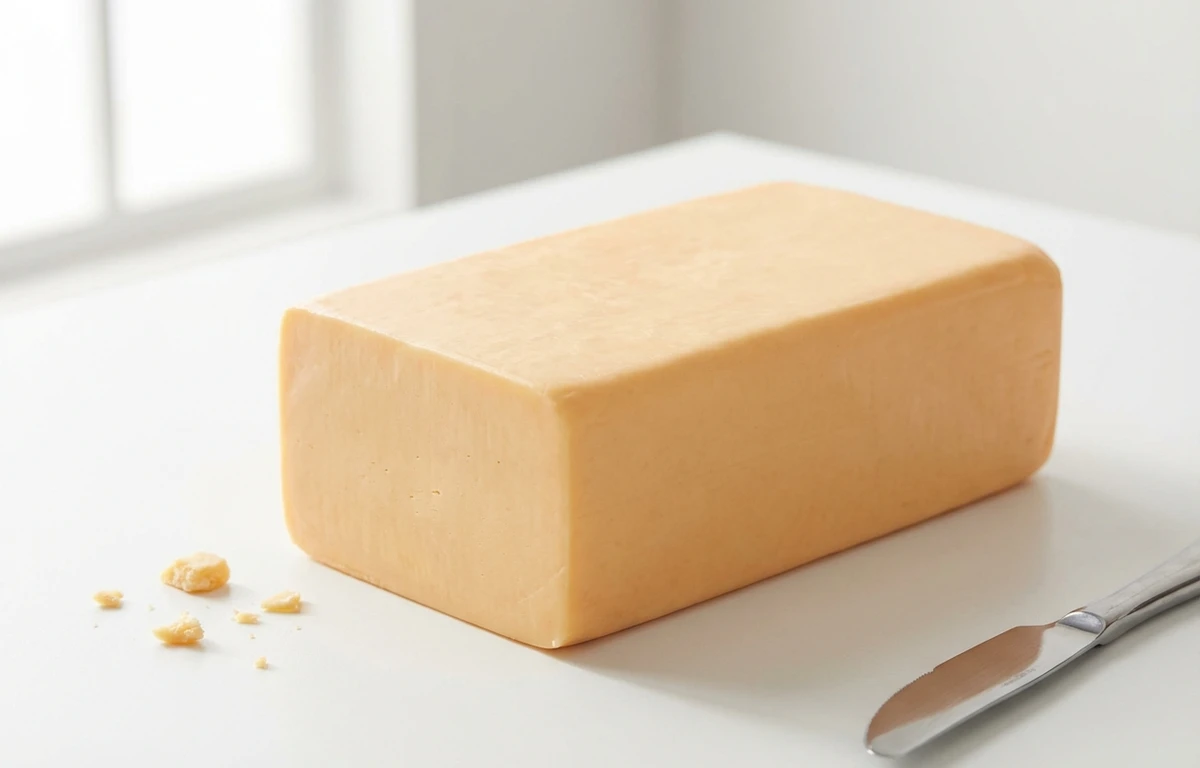
pasteurized prepared cheese product.
VegetarianVeganGluten-freeDairy-freeNut-freePeanut-freeSoy-freeEgg-freeShellfish-freeHoney-freeAlcohol-freeFermented
ALSO KNOWN AS
cheese product
SERVING
CALORIES
323
PROTEIN
16.5g
CARBS
9.2g
FAT
24.1g
FIBER
0g
NUTRITION PROFILE · per 100 g
Everything in this ingredient.
MACRONUTRIENTS
Calories323kcal—
Protein16.5g33%
Carbohydrates9.2g3%
Fiber0g0%
Sugar7.4g15%
Total fat24.1g31%
Saturated fat15.2g76%
Trans fat0.80g—
Cholesterol78mg26%
Water44.5g—
MINERALS
Sodium1550mg67%
Potassium260mg6%
Calcium560mg43%
Iron0.20mg1%
Magnesium26mg6%
Phosphorus720mg58%
Zinc2.4mg22%
Copper0.03mg3%
Manganese0.01mg0%
Selenium14.5µg26%
VITAMINS
Vitamin A215µg24%
Vitamin C0mg0%
Vitamin D0.50µg3%
Vitamin E0.40mg3%
Vitamin K2.4µg2%
Thiamin (B1)0.03mg3%
Riboflavin (B2)0.42mg32%
Niacin (B3)0.10mg1%
Pantothenic acid (B5)0.45mg9%
Vitamin B60.06mg4%
Folate (B9)10µg3%
Vitamin B121.4µg58%
%DV based on a 2,000 cal diet. Source: USDA FoodData Central. A dash in the %DV column means there’s no established Daily Value for that nutrient.
MEASUREMENT CONVERSIONS
How much is what.
1 cup248.4g
1 tablespoon15.5g
1 teaspoon5.2g
1 oz28.4g
1 lb453.6g
1 ml1.1g
1 liter1050g
HEALTH BENEFITS
Why eat it.
- ✓Good source of calcium and phosphorus, which are essential for bone and tooth health.
- ✓Provides complete protein containing all essential amino acids for muscle repair and growth.
- ✓Contains Vitamin B12, important for nerve function and the formation of red blood cells.
- ✓Often fortified with Vitamin D, which aids in calcium absorption.
COOKING TIPS
In the kitchen.
- 1Due to added emulsifiers, it melts very smoothly and evenly, making it ideal for sauces, casseroles, grilled cheese sandwiches, and burgers.
- 2Separate slices while cold to prevent tearing, as they can stick together at room temperature.
- 3When making a cheese sauce, add the product gradually over low heat and stir constantly to prevent it from becoming grainy or scorching.
- 4It has a lower melting point than many natural cheeses, so be careful not to overheat it, as it can separate or burn easily.
STORAGE
Keep it fresh.
- Keep refrigerated in its original packaging. Once opened, wrap tightly in plastic wrap or store in an airtight container.
- For best quality, consume within 1-2 weeks after opening. Unopened packages have a long shelf life; always check the expiration date.
FAQ
Frequently asked questions.
Is pasteurized prepared cheese product healthy?
Pasteurized prepared cheese product can be a good source of calcium, phosphorus, and protein, which are beneficial for bone health and muscle repair. It also provides Vitamin B12 and is often fortified with Vitamin D. However, it can be high in sodium, saturated fat, and calories, so it's best consumed in moderation as part of a balanced diet.
What are the key nutritional values of pasteurized prepared cheese product?
Per 100g, pasteurized prepared cheese product typically contains around 323 calories, 16.5g protein, 9.2g carbohydrates, and 24.1g fat. It also offers essential minerals like calcium and phosphorus, crucial for bone and tooth health.
Is pasteurized prepared cheese product good for weight loss?
Due to its relatively high calorie and fat content (323 calories and 24.1g fat per 100g), pasteurized prepared cheese product should be consumed in moderation if you are trying to lose weight. Portion control is essential to fit it into a calorie-controlled diet.
Is pasteurized prepared cheese product lactose-free?
Most pasteurized prepared cheese products are not considered lactose-free as they are made from dairy ingredients. While processing may reduce some lactose, individuals with severe lactose intolerance should check specific product labels or avoid it.
Is pasteurized prepared cheese product gluten-free?
Generally, pasteurized prepared cheese products are naturally gluten-free, as their primary ingredients are dairy-based. However, it's always advisable to check the product label for certification or any added ingredients that might contain gluten, especially if you have celiac disease or a gluten sensitivity.
What are the best uses for pasteurized prepared cheese product in cooking?
It is excellent for melting due to its smooth texture, making it ideal for grilled cheese sandwiches, macaroni and cheese, cheese sauces, and casseroles. Its mild flavor also makes it a versatile ingredient for various dishes where a creamy, melty cheese is desired.
What does pasteurized prepared cheese product taste like?
It typically has a mild, creamy, and slightly salty flavor. The taste is generally less complex than natural cheeses, designed to be palatable and melt smoothly without becoming oily or stringy.
How should I store pasteurized prepared cheese product?
Pasteurized prepared cheese product should always be stored in the refrigerator at or below 40°F (4°C). Keep it in its original sealed packaging until ready to use to maintain freshness and prevent contamination.
How long does pasteurized prepared cheese product last?
Unopened, it can last for several months, often indicated by a 'best by' date on the packaging. Once opened, it's best consumed within 1-2 weeks, ensuring it's tightly wrapped to prevent drying out and spoilage.
Can pasteurized prepared cheese product be frozen?
While technically possible, freezing is generally not recommended for pasteurized prepared cheese product. Freezing can alter its smooth texture, making it crumbly or grainy upon thawing, which can affect its culinary performance.



















