
Loading...
Per 100g
Nutrition data source: USDA FoodData Central
Common measurement equivalents in grams
Yes, pecan halves are very healthy. They are rich in heart-healthy monounsaturated fats, antioxidants like Vitamin E and ellagic acid, and essential minerals such as manganese. These nutrients support cardiovascular health, protect cells from oxidative damage, and aid in brain function.
100g of pecan halves contains approximately 691 calories and 71.97g of fat. The majority of this fat is heart-healthy monounsaturated fat, which can help lower bad cholesterol (LDL) levels and reduce the risk of heart disease.
While pecans are calorie-dense, their high fiber content (13.8g carbs per 100g, much of which is fiber) promotes feelings of fullness, which can help with portion control. Their healthy fats and protein also contribute to satiety. Consumed in moderation as part of a balanced diet, they can support weight management.
Yes, raw pecan halves are naturally gluten-free. They are a safe and nutritious option for individuals following a gluten-free diet, provided they haven't been processed or cross-contaminated with gluten-containing ingredients.
Yes, pecan halves are generally considered keto-friendly. While 100g contains 13.8g of total carbs, a typical serving size (e.g., 1 ounce or ~28g) has significantly fewer net carbs, making them suitable for a low-carb or ketogenic diet in moderation.
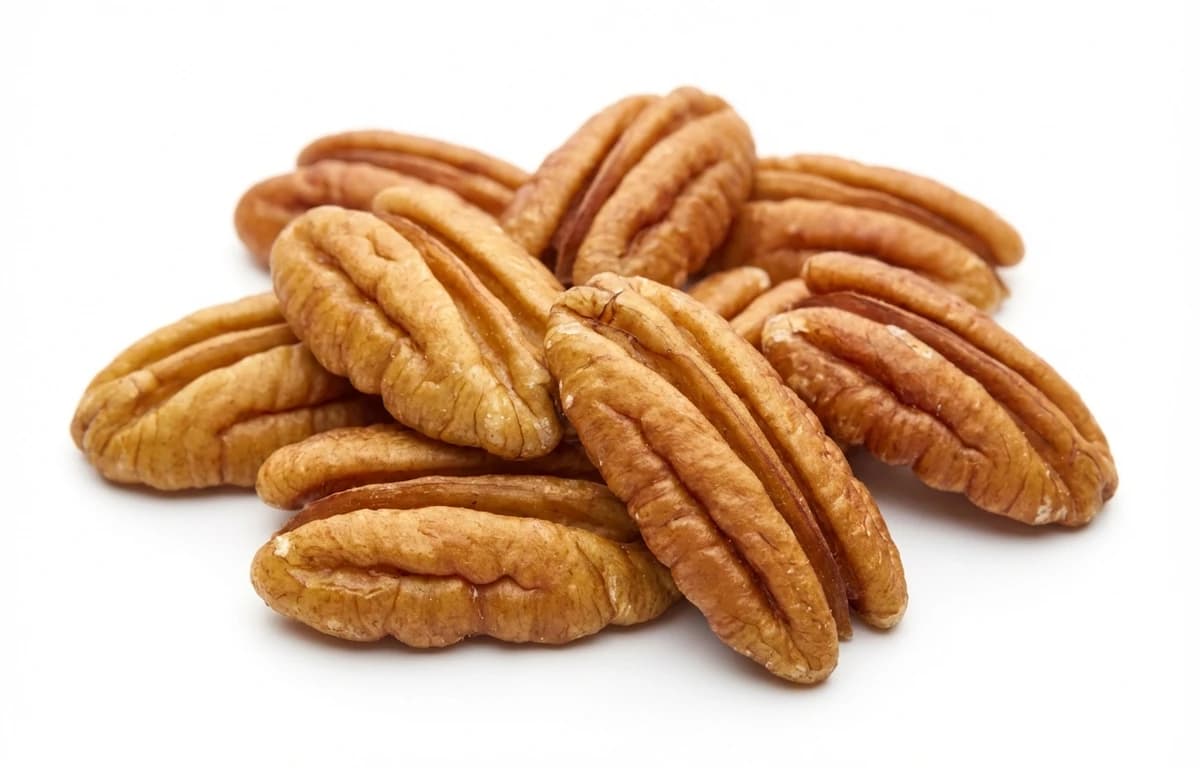
Pecan halves have a rich, buttery, and slightly sweet flavor with a tender texture. They are incredibly versatile and can be enjoyed raw, roasted, or used in both sweet and savory dishes, such as pies, salads, oatmeal, or as a crunchy topping for various meals.
pecan halves is a versatile ingredient found in cuisines around the world. With 691 calories per 100g and 9.17 grams of protein, it's a nutritious addition to many dishes.
Explore more ingredients in the nuts seeds category with complete nutrition information.
View all nuts seeds →Discover 4 recipes featuring pecan halves with step-by-step instructions.
Browse recipes →No, pecan halves do not need to be roasted and can be eaten raw. Roasting can enhance their flavor and crunch, making them more aromatic and intensifying their natural sweetness, but it's not necessary for consumption.
To maintain freshness and prevent rancidity, store pecan halves in an airtight container in a cool, dark place. For longer storage, especially in warmer climates, refrigeration or freezing is highly recommended to preserve their oils.
When stored properly in a cool, dark pantry, pecan halves can last for about 3-6 months. In the refrigerator, they can stay fresh for up to 9 months, and in the freezer, they can last for up to 2 years, thanks to their high fat content.
Pecan halves provide a moderate amount of protein. 100g contains about 9.17g of protein, which contributes to daily protein intake. While not as high in protein as some other nuts or legumes, they are a valuable plant-based protein source.