
Other
pectic enzyme.
VegetarianVeganGluten-freeDairy-freeNut-freePeanut-freeSoy-freeEgg-freeShellfish-freeHoney-freeAlcohol-freeFermented
ALSO KNOWN AS
pectinase
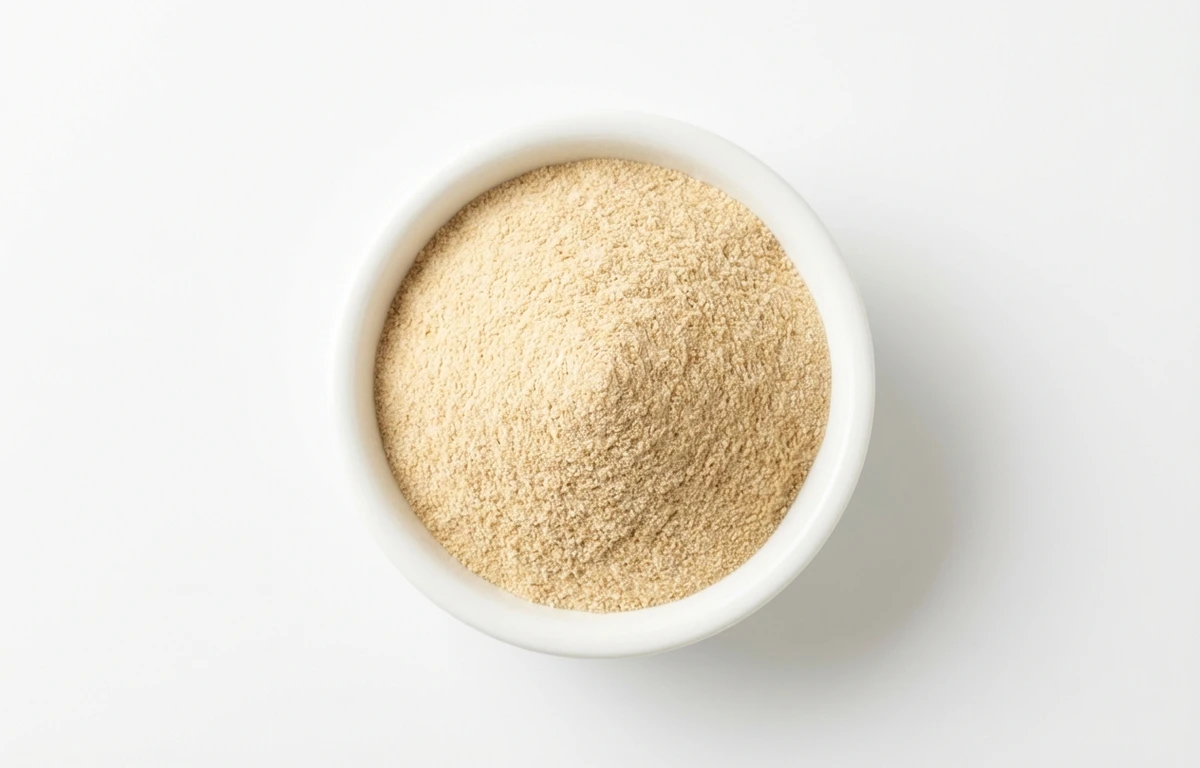
SERVING
CALORIES
340
PROTEIN
2.0g
CARBS
83g
FAT
0g
FIBER
0g
This ingredient is flagged as naturally gluten-free. Per 100 g, it provides 0 µg of vitamin K.
NUTRITION PROFILE · per 100 g
Everything in this ingredient.
MACRONUTRIENTS
Calories340kcal—
Protein2.0g4%
Carbohydrates83g30%
Fiber0g0%
Sugar5.0g10%
Total fat0g0%
Saturated fat0g0%
Trans fat0g—
Cholesterol0mg0%
Water5.0g—
MINERALS
Sodium45mg2%
Potassium12mg0%
Calcium8.0mg1%
Iron0.20mg1%
Magnesium3.0mg1%
Phosphorus6.0mg0%
Zinc0.10mg1%
Copper0.01mg1%
Manganese0.01mg0%
Selenium0.20µg0%
VITAMINS
Vitamin A0µg0%
Vitamin C0mg0%
Vitamin D0µg0%
Vitamin E0mg0%
Vitamin K0µg0%
Thiamin (B1)0mg0%
Riboflavin (B2)0mg0%
Niacin (B3)0mg0%
Pantothenic acid (B5)0mg0%
Vitamin B60mg0%
Folate (B9)0µg0%
Vitamin B120µg0%
%DV based on a 2,000 cal diet. Source: USDA FoodData Central. A dash in the %DV column means there’s no established Daily Value for that nutrient.
MEASUREMENT CONVERSIONS
How much is what.
1 cup168g
1 tablespoon10.5g
1 teaspoon3.5g
1 ml0.7g
1 liter700g
HEALTH BENEFITS
Why eat it.
- ✓Aids in the breakdown of pectin, which can improve the digestion of high-fiber fruits and vegetables.
- ✓May help reduce gas and bloating by breaking down complex plant carbohydrates before they reach gut bacteria.
- ✓Used in digestive aid supplements to support nutrient absorption from plant-based foods.
COOKING TIPS
In the kitchen.
- 1In winemaking, add to crushed fruit before fermentation to increase juice yield and prevent pectin haze.
- 2For clearer homemade jellies and juices, add the enzyme to the fruit pulp and let it sit for several hours before heating.
- 3Avoid exposing pectic enzyme to high temperatures (above 140°F / 60°C) as heat will destroy its enzymatic activity.
- 4Follow package instructions for dosage, as it varies based on the type of fruit and application.
STORAGE
Keep it fresh.
- Store powdered pectic enzyme in a cool, dark, and dry place away from moisture to preserve its activity.
- Refrigerate liquid pectic enzyme after opening and use within 6 months for optimal potency.
FAQ
Frequently asked questions.
What are the nutritional facts for pectic enzyme?
Per 100g, pectic enzyme typically contains about 340 calories, 2g of protein, 83g of carbohydrates, and 0g of fat. However, it's important to note that pectic enzyme is used in very small quantities, so its nutritional contribution to a meal or beverage is negligible.
Does pectic enzyme aid in digestion?
Yes, pectic enzyme can aid digestion by breaking down pectin, a fiber that can be difficult for the human digestive system to process. This action can help reduce gas and bloating caused by undigested complex plant carbohydrates, and may support better nutrient absorption from plant-based foods.
Is pectic enzyme vegan and vegetarian?
Most commercially available pectic enzymes are derived from fungal sources, such as Aspergillus niger, through fermentation. This makes them suitable for both vegan and vegetarian diets, as they do not contain animal products.
Is pectic enzyme gluten-free?
Yes, pectic enzyme itself is naturally gluten-free. However, if you have a severe gluten allergy, always check the product label to ensure there are no cross-contamination warnings or added ingredients that might contain gluten.
Is pectic enzyme keto-friendly or low-carb?
While 100g of pectic enzyme contains 83g of carbohydrates, it is used in extremely small amounts (e.g., a fraction of a teaspoon per gallon of liquid). Therefore, its actual carbohydrate contribution to any food or beverage is negligible, making it generally suitable for keto or low-carb diets when used as directed.
How is pectic enzyme used in food and beverage production?
Pectic enzyme is widely used in the production of fruit juices, wines, and ciders. It breaks down pectin, which clarifies the liquid, increases juice yield, and improves filtration. It can also be used in making fruit purees or jams to achieve a desired texture.
How should pectic enzyme be stored?
Pectic enzyme should be stored in a cool, dry place, away from direct sunlight and moisture. For optimal potency and shelf life, refrigeration is often recommended, especially after opening. Always keep the container tightly sealed.
How long does pectic enzyme last?
When stored properly, pectic enzyme typically has a shelf life of 1-2 years. Its potency may gradually decrease over time, but it generally remains effective. Always check the 'best by' or expiration date on the product packaging for specific guidance.
Are there any side effects or precautions when using pectic enzyme?
Pectic enzyme is generally recognized as safe (GRAS) for consumption. However, as with any enzyme or supplement, some individuals might experience mild digestive upset if consumed in very large quantities. Always follow recommended dosage instructions, especially when using it as a digestive aid.



















