phoolpatasha
Also known as:
Loading...
Also known as:
Per 100g
Nutrition data source: USDA FoodData Central
Yes, phoolpatasha is considered very healthy. It is rich in antioxidants like gallic acid, which help combat oxidative stress, and is a good source of dietary fiber, essential minerals like magnesium, potassium, and phosphorus. It's also naturally low in fat.
Phoolpatasha offers several benefits, including being a good source of plant-based protein (9.7g per 100g) and high in complex carbohydrates (76.9g per 100g) for sustained energy. It's also packed with fiber, aiding digestion, and provides vital minerals that support heart health and bone density.
Per 100g, phoolpatasha contains approximately 347 calories, 9.7g of protein, 76.9g of carbohydrates, and a very low 0.1g of fat. This makes it a nutrient-dense snack, particularly for energy and protein.
Yes, phoolpatasha can be beneficial for weight management. Its high fiber content promotes satiety, helping you feel full longer and potentially reducing overall calorie intake. It's also low in fat, making it a healthier snack option compared to many processed alternatives.
Phoolpatasha is often considered suitable for diabetics due to its low glycemic index. This means it causes a slower and more gradual rise in blood sugar levels compared to high-GI foods, making it a better choice for managing blood glucose.
Yes, phoolpatasha is naturally gluten-free, making it safe for individuals with celiac disease or gluten sensitivity. As it is a seed derived from a plant, it is also inherently vegan and suitable for plant-based diets.
phoolpatasha is a versatile ingredient found in cuisines around the world. With 347 calories per 100g and 9.7 grams of protein, it's a nutritious addition to many dishes.
Explore more ingredients in the seed category with complete nutrition information.
View all seed →Discover 0 recipes featuring phoolpatasha with step-by-step instructions.
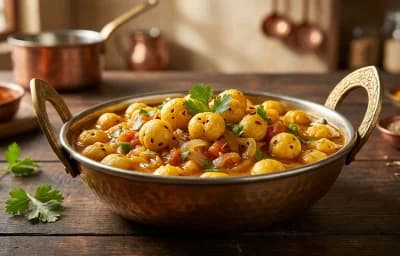
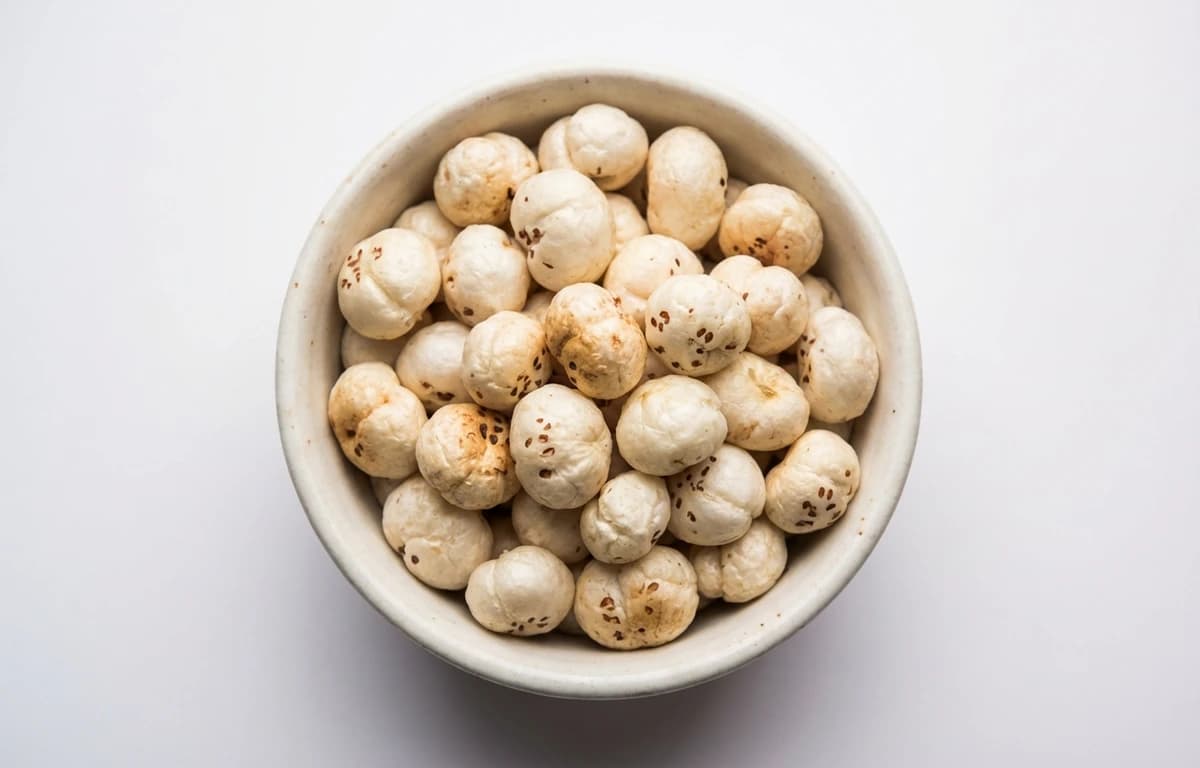
Browse recipes →Phoolpatasha is commonly prepared by dry roasting it in a pan until it becomes light and crispy, often with a pinch of salt or spices. It can also be popped like popcorn, resulting in a light, airy texture. It's rarely eaten raw.
When roasted, phoolpatasha has a mild, slightly nutty, and earthy flavor with a light, crunchy texture. It's primarily used as a healthy snack, often seasoned with salt, turmeric, or chili powder. It can also be added to trail mixes, cereals, or used in some traditional Indian sweets and savories.
Phoolpatasha should be stored in an airtight container in a cool, dry place away from direct sunlight and moisture. Proper storage helps maintain its crispness and extends its shelf life, preventing it from becoming stale or absorbing humidity.
Yes, phoolpatasha is rich in antioxidants, notably gallic acid. These compounds help protect the body's cells from damage caused by free radicals, reducing oxidative stress and potentially lowering the risk of chronic diseases and inflammation.