
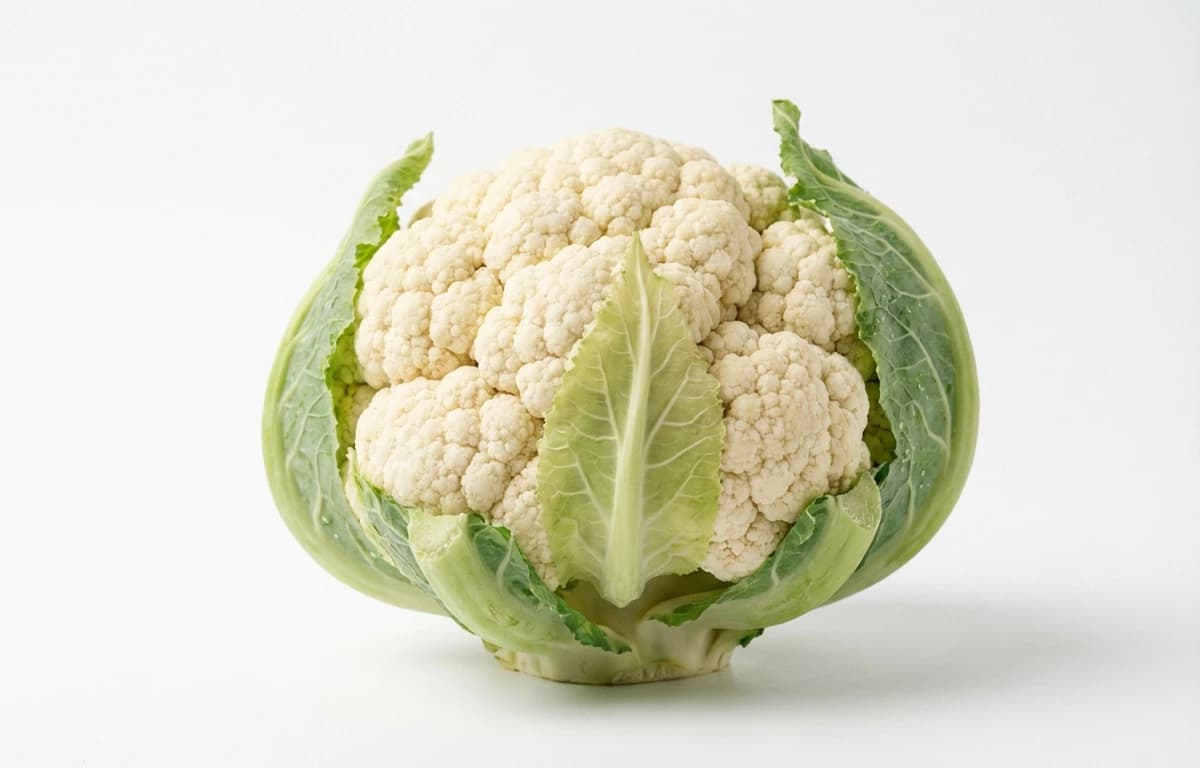
phulkopi
Also known as:
Loading...
Also known as:
Per 100g
Nutrition data source: USDA FoodData Central

A classic Bengali cauliflower and potato curry, simmered in a fragrant, lightly spiced tomato-ginger gravy. This comforting vegetarian dish is a staple in Bengali homes and pairs perfectly with rice or luchis.

A classic Bengali comfort curry featuring tender potatoes and cauliflower florets simmered in a fragrant tomato-ginger gravy. This lightly spiced, homestyle dish pairs beautifully with steamed rice or fluffy luchis.

A beloved Bengali tea-time snack, these shingaras feature a perfectly flaky, crisp pastry encasing a sweet and savory filling of spiced cauliflower, potatoes, and peanuts. An authentic taste of Kolkata in every bite.
Yes, phulkopi (cauliflower) is very healthy. It's rich in essential vitamins like C and K, and minerals, while being low in calories and carbohydrates. Its high fiber content supports digestion, and it contains beneficial antioxidants that may help protect against chronic diseases.
Phulkopi is packed with nutrients, providing significant amounts of Vitamin C and K, and a good source of choline for brain health. Per 100g, it contains only 25 calories, 1.9g protein, 5.3g carbs, and 0.3g fat, making it a nutrient-dense food. It's also high in fiber, aiding satiety and digestion.
Absolutely. Phulkopi is excellent for weight loss due to its very low calorie count (25 calories per 100g) and high fiber content, which helps you feel full longer. It can be a great low-carb substitute for higher-calorie ingredients like rice or potatoes, reducing overall caloric intake.
Yes, phulkopi (cauliflower) is a vegetable, making it naturally both vegan and vegetarian. It's a versatile ingredient that fits well into plant-based diets and can be used in a wide array of dishes.
Yes, phulkopi is naturally gluten-free. It is a vegetable and does not contain any gluten-containing grains, making it suitable for individuals with celiac disease or gluten sensitivity, and a great alternative in gluten-free recipes.
Yes, phulkopi is highly keto-friendly and low-carb. With only 5.3g of carbohydrates per 100g, it's a popular choice for those following ketogenic or low-carb diets, often used as a substitute for grains like rice or potatoes to reduce carb intake.
Phulkopi is incredibly versatile and can be roasted, steamed, boiled, stir-fried, or even mashed. For a simple preparation, cut into florets, toss with oil and spices, and roast until tender and slightly caramelized. It can also be grated and used as a rice substitute or blended into soups.
phulkopi is a versatile ingredient found in cuisines around the world. With 25 calories per 100g and 1.9 grams of protein, it's a nutritious addition to many dishes.
Explore more ingredients in the vegetable category with complete nutrition information.
View all vegetable →Phulkopi has a mild, slightly nutty, and subtly sweet flavor when cooked, especially when roasted. Raw, it has a firmer texture and a slightly more pungent, cruciferous taste. Its mildness makes it an excellent base that readily absorbs the flavors of other ingredients and seasonings.
Store a whole head of phulkopi unwashed in a perforated plastic bag in the refrigerator's crisper drawer for up to 1-2 weeks. If cut into florets, store them in an airtight container or bag in the fridge and use within a few days for best freshness and to prevent spoilage.
Fresh phulkopi should have a firm, compact head with creamy white florets and crisp green leaves. Avoid heads with brown spots, soft areas, or a strong, off-putting odor, which indicate spoilage. A slight yellowing is usually fine, but significant discoloration means it's past its prime.
