piaja
Also known as:
Loading...
Also known as:
Per 100g
Nutrition data source: USDA FoodData Central
Yes, piaja is very healthy. It's low in calories and fat, while being rich in beneficial compounds like antioxidants (quercetin), sulfur compounds, and prebiotic fibers. It also provides essential vitamins C and B, supporting overall well-being.
Piaja offers several health benefits, including reducing inflammation and potentially lowering blood pressure due to its antioxidants. Its sulfur compounds may contribute to anti-cancer properties and improved heart health, while prebiotic fibers support a healthy gut microbiome and digestion.
Per 100g, piaja contains approximately 40 calories and 9.34g of carbohydrates. It is very low in fat (0.1g) and provides a small amount of protein (1.1g), making it a nutrient-dense, low-calorie vegetable.
Yes, piaja can be beneficial for weight loss. It's low in calories and fat, and its fiber content can help promote satiety, making you feel fuller for longer. Incorporating it into meals can add flavor and nutrients without significant caloric impact.
Yes, as a natural vegetable, piaja is inherently vegan and gluten-free. It is suitable for individuals following plant-based diets or those with gluten sensitivities or celiac disease.
Yes, piaja is generally safe for diabetics. Its relatively low carbohydrate content and presence of fiber can help manage blood sugar levels. However, as with any food, portion control is always important.
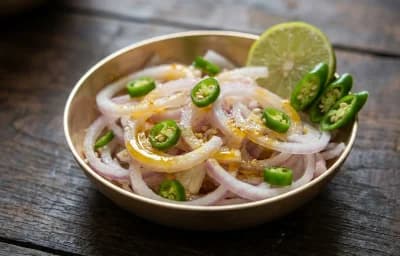
Piaja is incredibly versatile in cooking. It can be sautéed, roasted, grilled, caramelized, or used raw in salads, salsas, and sandwiches. The cooking method can significantly alter its flavor, from pungent when raw to sweet and mellow when caramelized.
piaja is a versatile ingredient found in cuisines around the world. With 40 calories per 100g and 1.1 grams of protein, it's a nutritious addition to many dishes.
Explore more ingredients in the vegetable category with complete nutrition information.
View all vegetable →When raw, piaja typically has a pungent, sharp, and slightly spicy flavor. When cooked, especially caramelized or roasted, its flavor becomes much sweeter, milder, and more savory, adding depth and umami to dishes.
Store whole, unpeeled piaja in a cool, dry, dark, and well-ventilated place, such as a pantry, away from direct sunlight. Avoid refrigerating whole piaja as it can soften and sprout faster due to moisture.
Fresh piaja should be firm to the touch, with dry, papery outer layers. Avoid those with soft spots, mold, a strong pungent odor (beyond its natural smell), or significant sprouting, which are signs of spoilage.