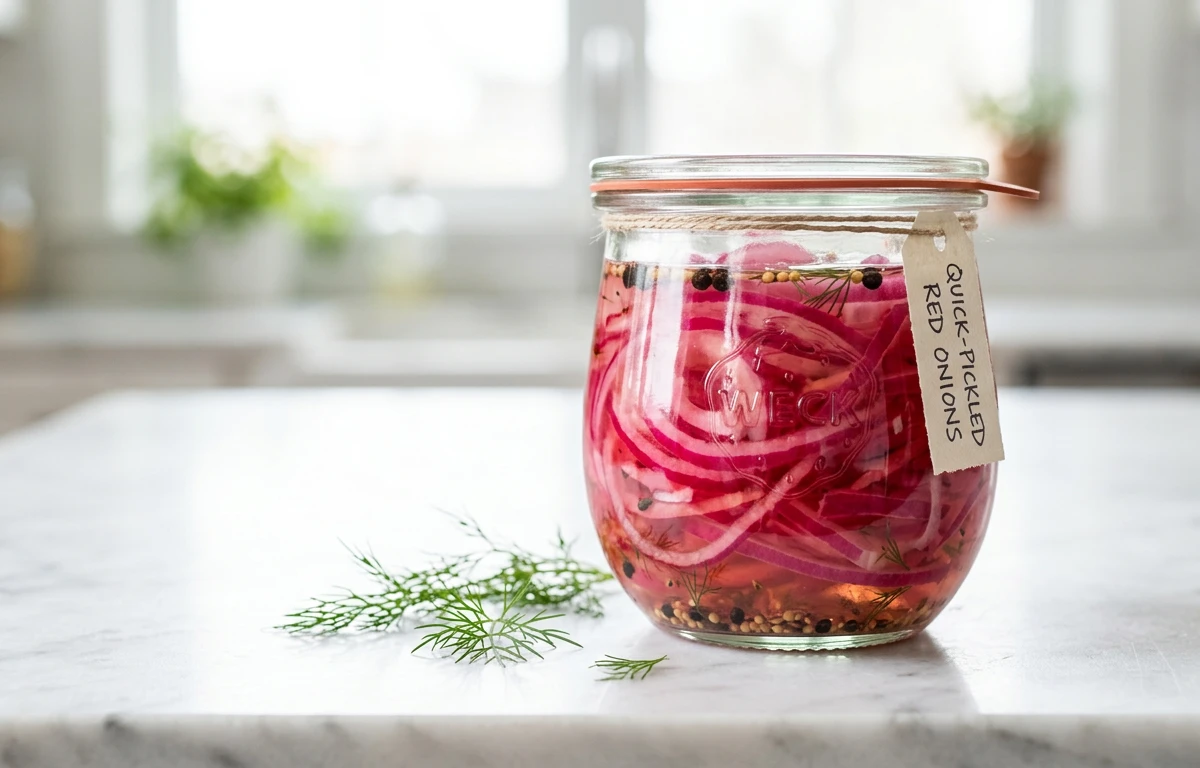
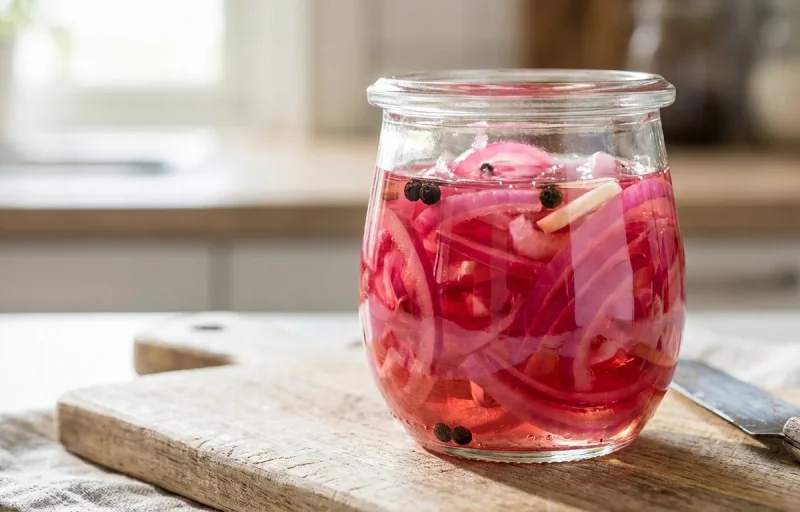
Vegetable
pickled red onions.
VegetarianVeganGluten-freeDairy-freeNut-freePeanut-freeSoy-freeEgg-freeShellfish-freeHoney-freeAlcohol-free
ALSO KNOWN AS
vinegar onionssirka pyazmarinated red onionspickled onion slicescebollas encurtidas
SERVING
CALORIES
45
PROTEIN
0.90g
CARBS
10.5g
FAT
0.10g
FIBER
1.4g
This ingredient is flagged as naturally gluten-free. Per 100 g, it provides 0.40 µg of vitamin K.
NUTRITION PROFILE · per 100 g
Everything in this ingredient.
MACRONUTRIENTS
Calories45kcal—
Protein0.90g2%
Carbohydrates10.5g4%
Fiber1.4g5%
Sugar7.2g14%
Total fat0.10g0%
Saturated fat0.02g0%
Trans fat0g—
Cholesterol0mg0%
Water85g—
MINERALS
Sodium650mg28%
Potassium125mg3%
Calcium20mg2%
Iron0.20mg1%
Magnesium8.0mg2%
Phosphorus25mg2%
Zinc0.10mg1%
Copper0.04mg4%
Manganese0.10mg4%
Selenium0.50µg1%
VITAMINS
Vitamin A0µg0%
Vitamin C4.2mg5%
Vitamin D0µg0%
Vitamin E0.02mg0%
Vitamin K0.40µg0%
Thiamin (B1)0.04mg3%
Riboflavin (B2)0.02mg2%
Niacin (B3)0.10mg1%
Pantothenic acid (B5)0.10mg2%
Vitamin B60.10mg6%
Folate (B9)15µg4%
Vitamin B120µg0%
%DV based on a 2,000 cal diet. Source: USDA FoodData Central. A dash in the %DV column means there’s no established Daily Value for that nutrient.
MEASUREMENT CONVERSIONS
How much is what.
1 cup160g
1 tablespoon15g
1 teaspoon5g
1 oz28.4g
1 lb453.6g
1 ml1g
1 liter1000g
HEALTH BENEFITS
Why eat it.
- ✓Low in calories and fat
- ✓Provides small amounts of essential minerals like potassium
- ✓Adds flavor without heavy fats or oils
COOKING TIPS
In the kitchen.
- 1Add at the very end of plating to maintain texture and bright color
- 2Use the leftover pickling brine as a base for salad dressings
- 3Avoid cooking the pickled onions as they will lose their characteristic crunch
STORAGE
Keep it fresh.
- Store in an airtight glass jar in the refrigerator
- Ensure onions are completely submerged in the pickling liquid
- Best consumed within 2 to 3 weeks for optimal crunch
FAQ
Frequently asked questions.
How long do pickled red onions last?
When stored in an airtight glass jar in the refrigerator, they typically last 2 to 3 weeks.
Can I freeze pickled red onions?
Freezing is not recommended as it destroys the cellular structure, making the onions mushy upon thawing.
What is the best way to pick onions for pickling?
Choose firm, heavy red onions with tight, papery skins and no signs of sprouting or soft spots.
What can I use as a substitute for pickled red onions?
Fresh red onions soaked in lime juice for 15 minutes, pickled shallots, or sauerkraut can provide a similar acidic crunch.
How do I prepare onions for pickling?
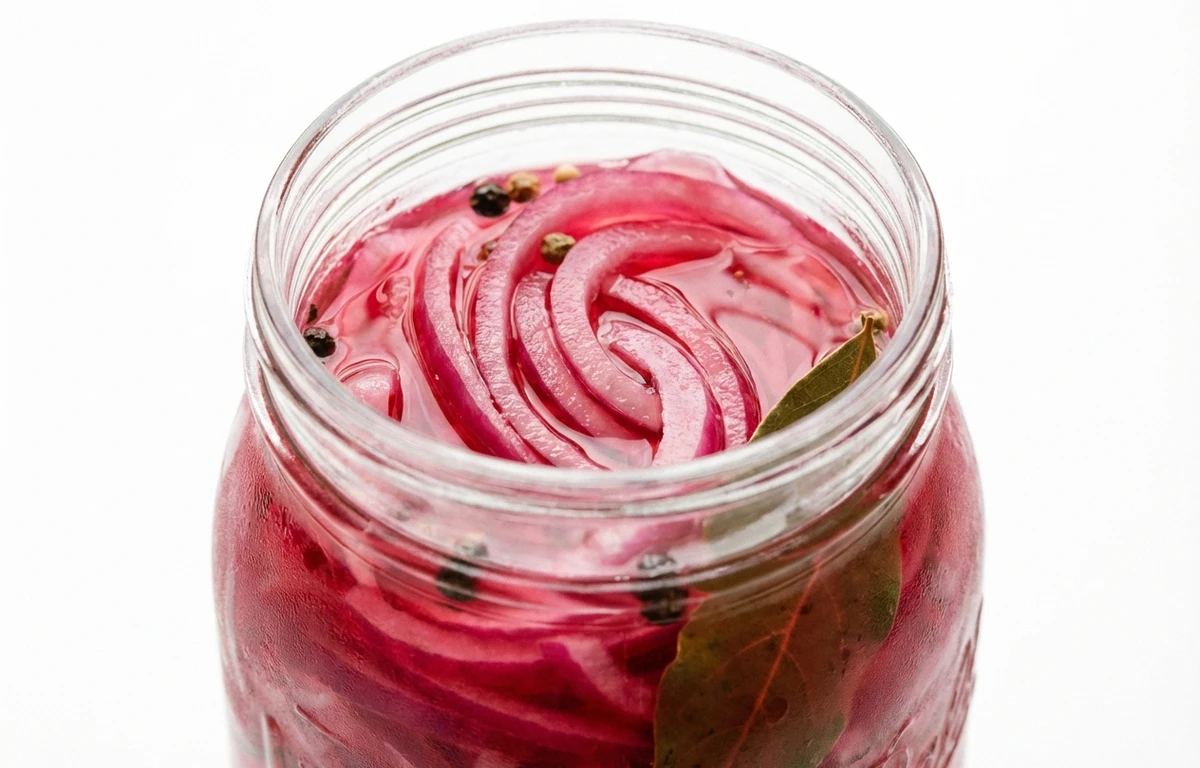
Peel and slice the onions very thinly (ideally with a mandoline) before submerging them in a hot vinegar, salt, and sugar brine.
What dishes pair well with pickled red onions?
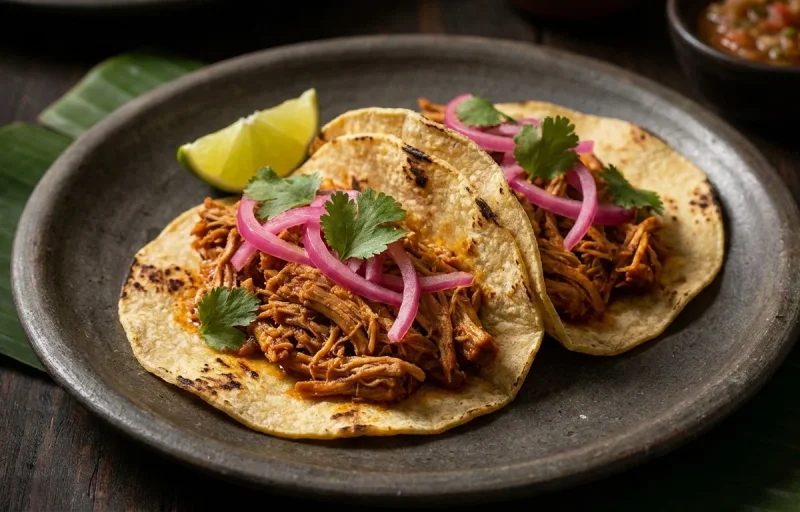
They are excellent on tacos, burgers, avocado toast, salads, and grain bowls.
Why did my pickled onions turn bright pink?
This is a natural reaction where the acid in the vinegar reacts with the anthocyanins (pigments) in the red onion.
Are these considered fermented?
Most household pickled red onions are 'quick-pickled' using vinegar (acid) rather than through natural lacto-fermentation.
Can I make them without sugar?
Yes, sugar is used to balance the acidity, but it can be omitted or replaced with a natural sweetener like stevia.
RECIPES
Cook with pickled red onions.
0 recipes · sorted by what’s quick