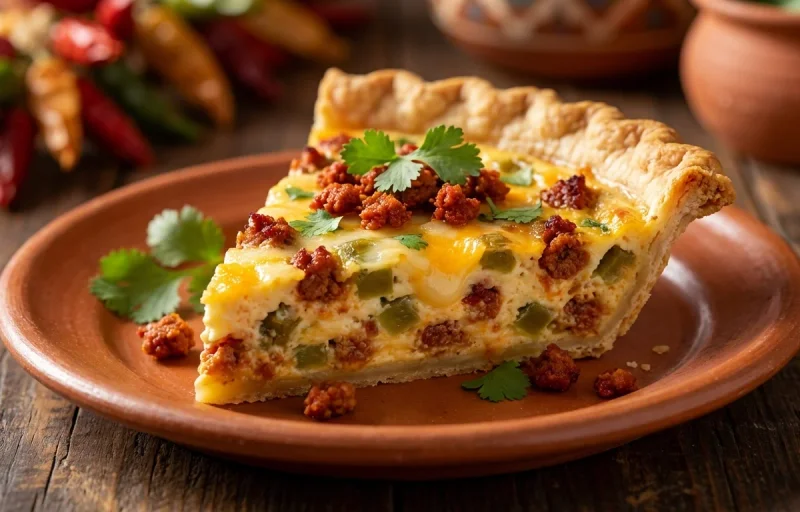
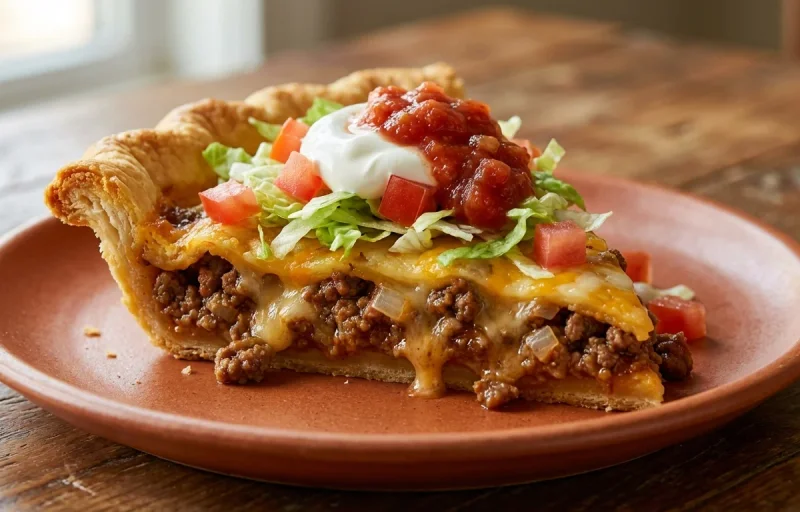
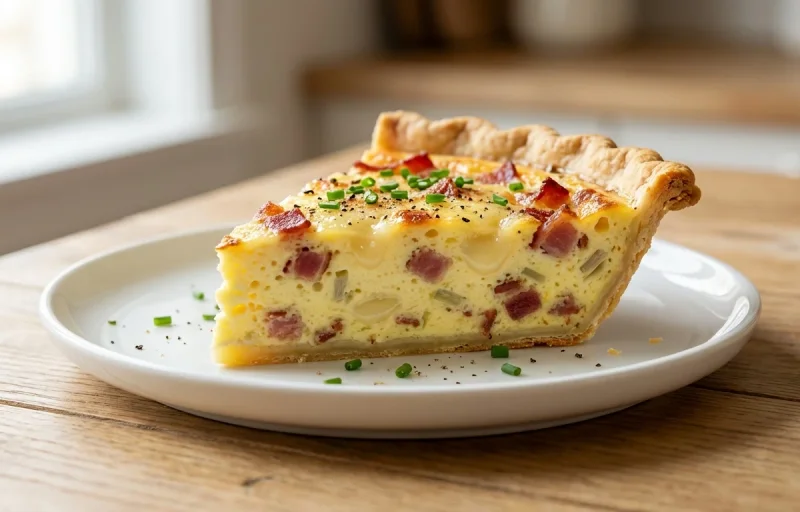
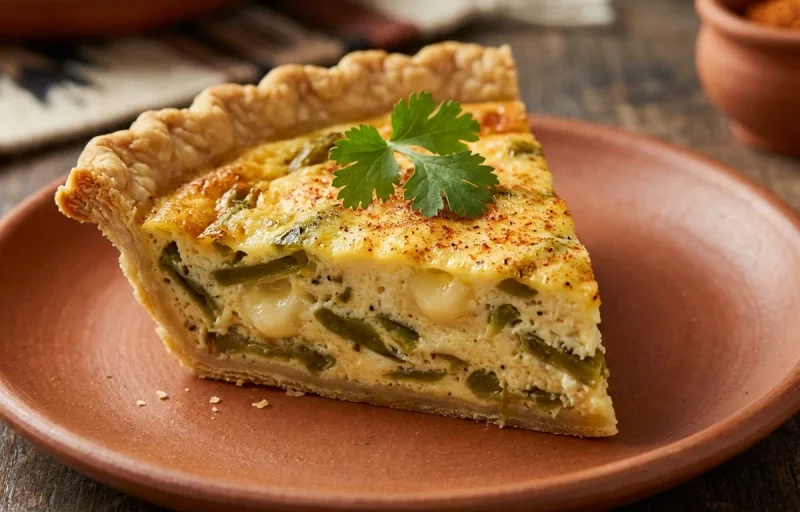
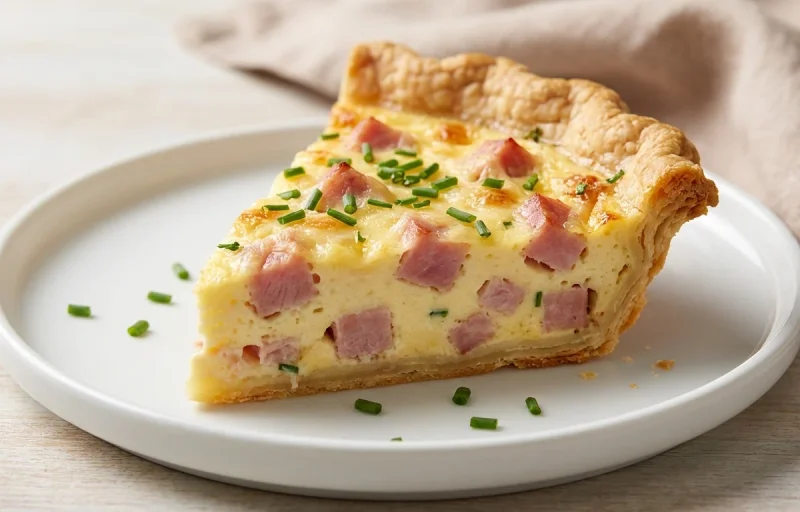
Other5 recipes
pie crust.
VegetarianVeganGluten-freeDairy-freeNut-freePeanut-freeSoy-freeEgg-freeShellfish-freeHoney-freeAlcohol-free
ALSO KNOWN AS
shortcrust pastry
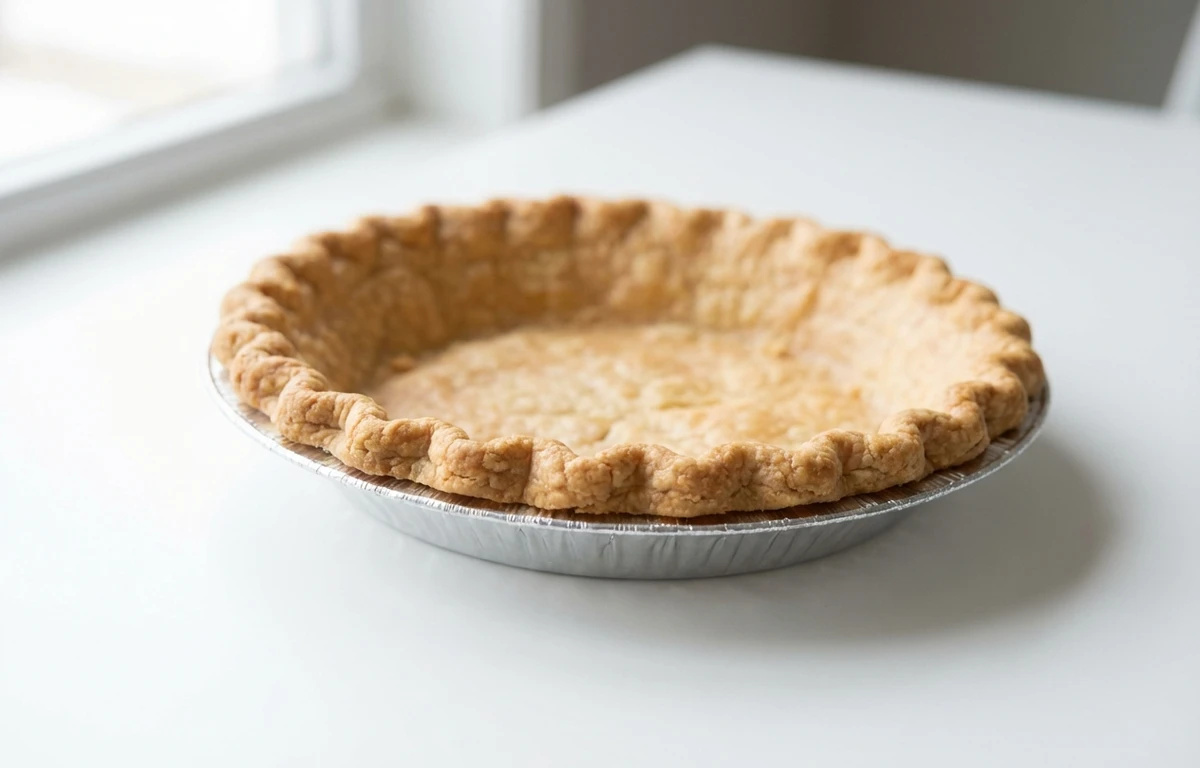
SERVING
CALORIES
445
PROTEIN
3.0g
CARBS
51.1g
FAT
25.5g
FIBER
1.8g
Per 100 g, it provides 0 µg of vitamin K.
NUTRITION PROFILE · per 100 g
Everything in this ingredient.
MACRONUTRIENTS
Calories445kcal—
Protein3.0g6%
Carbohydrates51.1g19%
Fiber1.8g6%
Sugar1.8g4%
Total fat25.5g33%
Saturated fat9.6g48%
Cholesterol0mg0%
Water19.3g—
MINERALS
Sodium409mg18%
Potassium73mg2%
Calcium10mg1%
Iron1.0mg6%
Magnesium8.0mg2%
Phosphorus45mg4%
Zinc0.20mg2%
Copper0.05mg6%
Manganese0.18mg8%
Selenium4.0µg7%
VITAMINS
Vitamin A0µg0%
Vitamin E0.05mg0%
Vitamin K0µg0%
Thiamin (B1)0.07mg6%
Riboflavin (B2)0.05mg4%
Niacin (B3)1.1mg7%
Pantothenic acid (B5)0.31mg6%
Vitamin B60.02mg1%
Folate (B9)25µg6%
Vitamin B120µg0%
%DV based on a 2,000 cal diet. Source: USDA FoodData Central. A dash in the %DV column means there’s no established Daily Value for that nutrient.
MEASUREMENT CONVERSIONS
How much is what.
1 piece200g
HEALTH BENEFITS
Why eat it.
- ✓Provides a quick source of energy from refined carbohydrates and fats.
- ✓Acts as a culinary base for nutrient-dense fillings such as fruits, vegetables, and lean proteins.
COOKING TIPS
In the kitchen.
- 1For a flaky texture, ensure all ingredients, especially the fat (butter, shortening) and water, are very cold before mixing.
- 2To prevent a soggy bottom, blind-bake the crust before adding wet fillings like custard or fruit puree.
- 3Handle the dough as little as possible to avoid overworking the gluten, which results in a tough crust.
- 4Use a pie shield or aluminum foil to cover the edges during the final 15-20 minutes of baking to prevent burning.
STORAGE
Keep it fresh.
- Store unbaked dough tightly wrapped in plastic in the refrigerator for up to 3 days or freeze for up to 3 months.
- Keep a baked, unfilled crust covered at room temperature for up to 2 days before filling.
- Freeze a baked crust, well-wrapped, for up to 4 months; thaw at room temperature before use.
FAQ
Frequently asked questions.
Is pie crust healthy?
Traditional pie crusts are typically high in calories, saturated fat, and refined carbohydrates, offering limited nutritional benefits on their own. However, they serve as a base for nutrient-dense fillings like fruits, vegetables, or lean proteins, which can contribute to a balanced meal. Opting for whole-wheat flour or reducing sugar/fat can improve its nutritional profile.
How many calories and carbohydrates are in pie crust?
Per 100 grams, a typical pie crust contains approximately 445 calories and about 51.11 grams of carbohydrates. It also has around 25.46 grams of fat and 2.97 grams of protein. These values can vary based on ingredients and preparation methods.
Is pie crust typically vegan?
No, traditional pie crust recipes often use butter or lard, making them not vegan. However, it is possible to make vegan pie crusts using plant-based fats like vegetable shortening, coconut oil, or vegan butter alternatives. Always check ingredients if purchasing pre-made crusts.
Can I make pie crust ahead of time?
Yes, pie crust dough can be made ahead of time. You can prepare the dough, form it into a disk, wrap it tightly in plastic wrap, and refrigerate it for up to 2-3 days. This allows the gluten to relax, which can result in a more tender crust.
How should I store leftover pie crust or unbaked dough?
Unbaked pie dough should be wrapped tightly in plastic wrap and refrigerated for up to 2-3 days. For longer storage, it can be frozen. Leftover baked pie crust (e.g., a shell) can be stored at room temperature in an airtight container for 1-2 days or frozen for longer.
What is the best way to freeze pie crust?
To freeze unbaked pie dough, wrap the disk tightly in plastic wrap, then place it in a freezer-safe bag for up to 3 months. For unbaked pie shells, press the dough into a pie plate, crimp the edges, then freeze until solid before wrapping tightly in plastic and foil. Baked pie crusts can also be frozen similarly.
What does a good pie crust taste and feel like?
A good pie crust should be flaky, tender, and melt-in-your-mouth, not tough or crumbly. It should have a rich, buttery flavor that complements the filling without overpowering it. The edges should be golden brown and crisp, while the bottom should be fully cooked and firm.
RECIPES
Cook with pie crust.
5 recipes · sorted by what’s quick