
Other5 recipes
pigeon meat.
VegetarianVeganGluten-freeDairy-freeNut-freePeanut-freeSoy-freeEgg-freeShellfish-freeHoney-freeAlcohol-freeKosher
ALSO KNOWN AS
squab meatraw squabraw pigeonyoung pigeonpigeonpigeonneaukabootar meatsquab
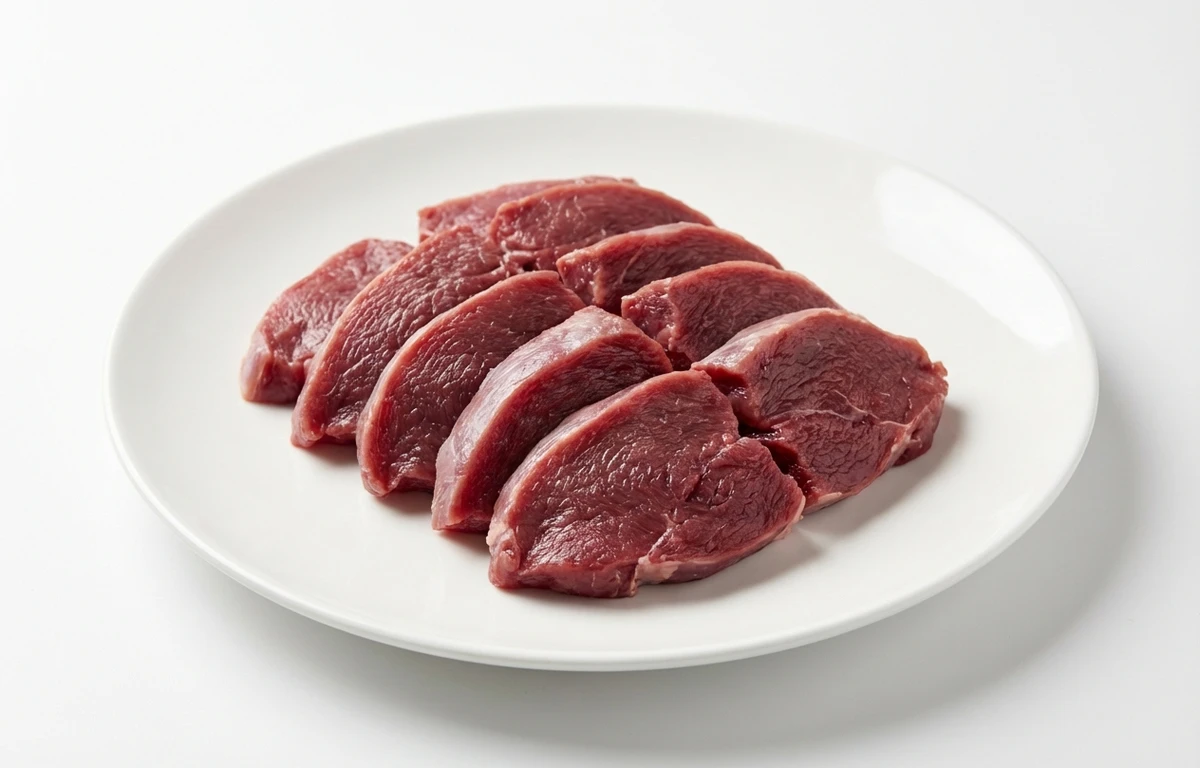
SERVING
CALORIES
142
PROTEIN
17.5g
CARBS
0g
FAT
7.5g
FIBER
0g
This ingredient is flagged as naturally gluten-free. Per 100 g, it provides 1.1 µg of vitamin K.
NUTRITION PROFILE · per 100 g
Everything in this ingredient.
MACRONUTRIENTS
Calories142kcal—
Protein17.5g35%
Carbohydrates0g0%
Fiber0g0%
Sugar0g0%
Total fat7.5g10%
Saturated fat2.1g11%
Trans fat0g—
Cholesterol90mg30%
Water72.8g—
MINERALS
Sodium54mg2%
Potassium237mg5%
Calcium13mg1%
Iron4.5mg25%
Magnesium25mg6%
Phosphorus307mg25%
Zinc2.7mg25%
Copper0.50mg56%
Manganese0.02mg1%
Selenium15.5µg28%
VITAMINS
Vitamin A28µg3%
Vitamin C0mg0%
Vitamin E0.70mg5%
Vitamin K1.1µg1%
Thiamin (B1)0.28mg23%
Riboflavin (B2)0.28mg22%
Niacin (B3)6.5mg41%
Pantothenic acid (B5)0.75mg15%
Vitamin B60.53mg31%
Folate (B9)7.0µg2%
Vitamin B120.50µg21%
%DV based on a 2,000 cal diet. Source: USDA FoodData Central. A dash in the %DV column means there’s no established Daily Value for that nutrient.
MEASUREMENT CONVERSIONS
How much is what.
1 oz28.4g
1 lb453.6g
1 piece300g
HEALTH BENEFITS
Why eat it.
- ✓Excellent source of high-quality lean protein
- ✓Very high iron content compared to other poultry
- ✓Rich in B-complex vitamins for energy metabolism
COOKING TIPS
In the kitchen.
- 1Best served medium-rare to medium; overcooking makes the meat tough and dry
- 2Pairs exceptionally well with fruity or acidic glazes like cherry or balsamic
- 3The skin is thin and delicate, so high-heat searing is ideal for crisping
STORAGE
Keep it fresh.
- Store in the coldest part of the refrigerator for no more than 1-2 days
- Wrap tightly in plastic wrap or foil to prevent freezer burn if freezing
- Can be frozen for up to 6-9 months for optimal quality
FAQ
Frequently asked questions.
What is the difference between pigeon and squab?
Squab is a young domestic pigeon, usually under 4 weeks old, prized for its tender, dark meat. Older pigeons have tougher meat better suited for slow cooking.
How long does raw pigeon meat last in the fridge?
Raw pigeon meat should be used within 1 to 2 days of purchase if kept refrigerated.
What does pigeon meat taste like?
It has a rich, slightly gamey flavor similar to dark meat chicken or duck, but with a finer texture.
What are the best substitutes for pigeon meat?
Quail, Cornish game hens, or duck breast are the best alternatives in most recipes.
How should I prepare pigeon for cooking?
Rinse under cold water, pat dry thoroughly with paper towels, and remove any remaining pinfeathers before seasoning.
What are common dishes made with pigeon?
Common dishes include Moroccan Pastilla (b'stilla), roasted squab, and various French salmis or stews.
RECIPES
Cook with pigeon meat.
5 recipes · sorted by what’s quick



















