Other
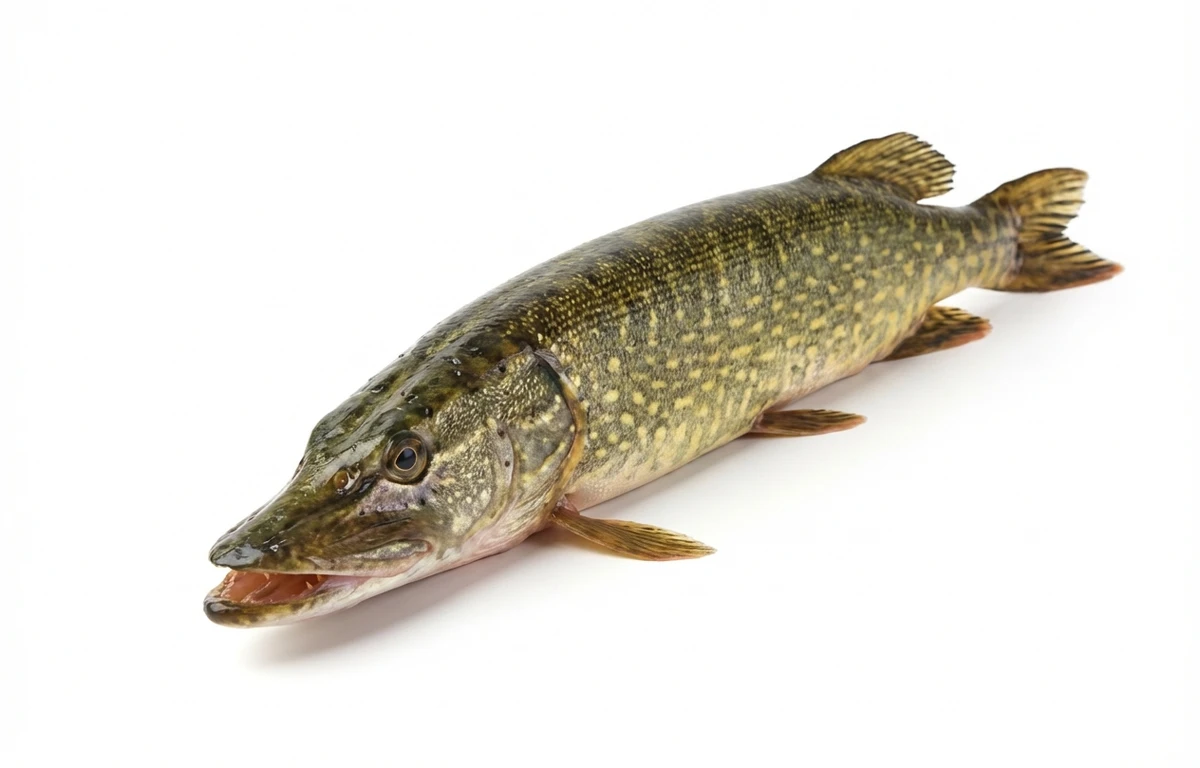
pike.
VegetarianVeganGluten-freeDairy-freeNut-freePeanut-freeSoy-freeEgg-freeShellfish-freeHoney-freeAlcohol-free
ALSO KNOWN AS
northern pikeraw northern pikeraw jackfishraw pikepikecooked pike
SERVING
CALORIES
88
PROTEIN
19.3g
CARBS
0g
FAT
0.69g
FIBER
0g
This ingredient is flagged as naturally gluten-free. Per 100 g, it provides 0.10 µg of vitamin K.
NUTRITION PROFILE · per 100 g
Everything in this ingredient.
MACRONUTRIENTS
Calories88kcal—
Protein19.3g39%
Carbohydrates0g0%
Fiber0g0%
Sugar0g0%
Total fat0.69g1%
Saturated fat0.12g1%
Cholesterol39mg13%
Water78.9g—
MINERALS
Sodium39mg2%
Potassium259mg6%
Calcium57mg4%
Iron0.55mg3%
Magnesium31mg7%
Phosphorus220mg18%
Zinc0.67mg6%
Copper0.05mg6%
Manganese0.24mg10%
Selenium12.6µg23%
VITAMINS
Vitamin A21µg2%
Vitamin C3.8mg4%
Vitamin D2.5µg13%
Vitamin E0.20mg1%
Vitamin K0.10µg0%
Thiamin (B1)0.06mg5%
Riboflavin (B2)0.06mg5%
Niacin (B3)2.3mg14%
Pantothenic acid (B5)0.75mg15%
Vitamin B60.12mg7%
Folate (B9)15µg4%
Vitamin B122.0µg83%
%DV based on a 2,000 cal diet. Source: USDA FoodData Central. A dash in the %DV column means there’s no established Daily Value for that nutrient.
MEASUREMENT CONVERSIONS
How much is what.
1 cup150g
1 tablespoon9g
1 teaspoon3g
1 oz28.4g
1 lb453.6g
1 piece120g
HEALTH BENEFITS
Why eat it.
- ✓Excellent source of lean protein, crucial for muscle repair and growth.
- ✓Rich in omega-3 fatty acids (EPA and DHA), which support cardiovascular health and brain function.
- ✓High in Vitamin B12, essential for nerve function and the formation of red blood cells.
COOKING TIPS
In the kitchen.
- 1Pike is known for its numerous 'Y' bones. Consider grinding the meat for fish cakes or quenelles, or learn the specific filleting technique to remove them.
- 2Due to its lean nature, pike can dry out easily. Use moist-heat cooking methods like poaching or baking with a sauce, or pan-fry quickly with butter or oil.
- 3The firm, white flesh has a mild flavor that pairs well with lemon, dill, parsley, capers, and white wine.
- 4Ensure the internal temperature reaches 145°F (63°C) for safe consumption; the flesh should be opaque and flake easily with a fork.
STORAGE
Keep it fresh.
- Store fresh pike in the coldest part of the refrigerator (below 40°F / 4°C) and consume within 1-2 days.
- For freezing, wrap fillets tightly in plastic wrap and then heavy-duty foil or a freezer bag. It can be stored at 0°F / -18°C for up to 6 months.
FAQ
Frequently asked questions.
Is pike healthy?
Yes, pike is a very healthy choice. It's an excellent source of lean protein, low in calories and fat, and rich in essential nutrients like omega-3 fatty acids, Vitamin B12, and selenium, which support heart, brain, and cellular health.
Is pike gluten-free?
Yes, fresh pike is naturally gluten-free. As a pure fish product, it contains no gluten. However, always check ingredients if purchasing processed pike products or if it's prepared with breading or sauces, as these may contain gluten.
Is pike keto-friendly?
Yes, pike is very keto-friendly. It contains 0g of carbohydrates and is high in protein, making it an ideal food for a ketogenic diet. Its low-fat content means you might need to add healthy fats from other sources to meet your daily fat macros.
How do you cook pike?
Pike can be cooked in various ways, including baking, pan-frying, grilling, or poaching. Due to its lean, flaky white flesh, it cooks quickly. Many prefer to fillet it to manage the Y-bones, then season simply with herbs, lemon, and butter or olive oil.
What does pike taste like?
Pike has a mild, delicate, and slightly sweet flavor with firm, flaky white flesh. It's often compared to other lean white fish like cod or walleye, making it versatile for absorbing flavors from seasonings and sauces without being overly 'fishy'.
How do you store fresh pike?
Fresh pike should be stored in the coldest part of your refrigerator, ideally on a bed of ice, and consumed within 1-2 days of purchase. For longer storage, clean and pat dry the fish, then wrap it tightly in plastic wrap and foil before freezing for up to 3-6 months.
How do I know if pike is fresh?
Look for clear, bulging eyes, bright red gills, and firm, shiny flesh. It should have a mild, fresh 'ocean' smell, not a strong, fishy odor. Avoid fish with cloudy eyes, dull skin, or a strong ammonia-like smell, as these are signs of spoilage.
Does pike have a lot of bones?
Pike is known for having a significant number of small, Y-shaped bones, especially along its back. While the main backbone is easy to remove, these 'Y-bones' require careful filleting or eating to avoid. Some prefer to grind pike for patties or quenelles to bypass the bones.
.webp)