
Seafood
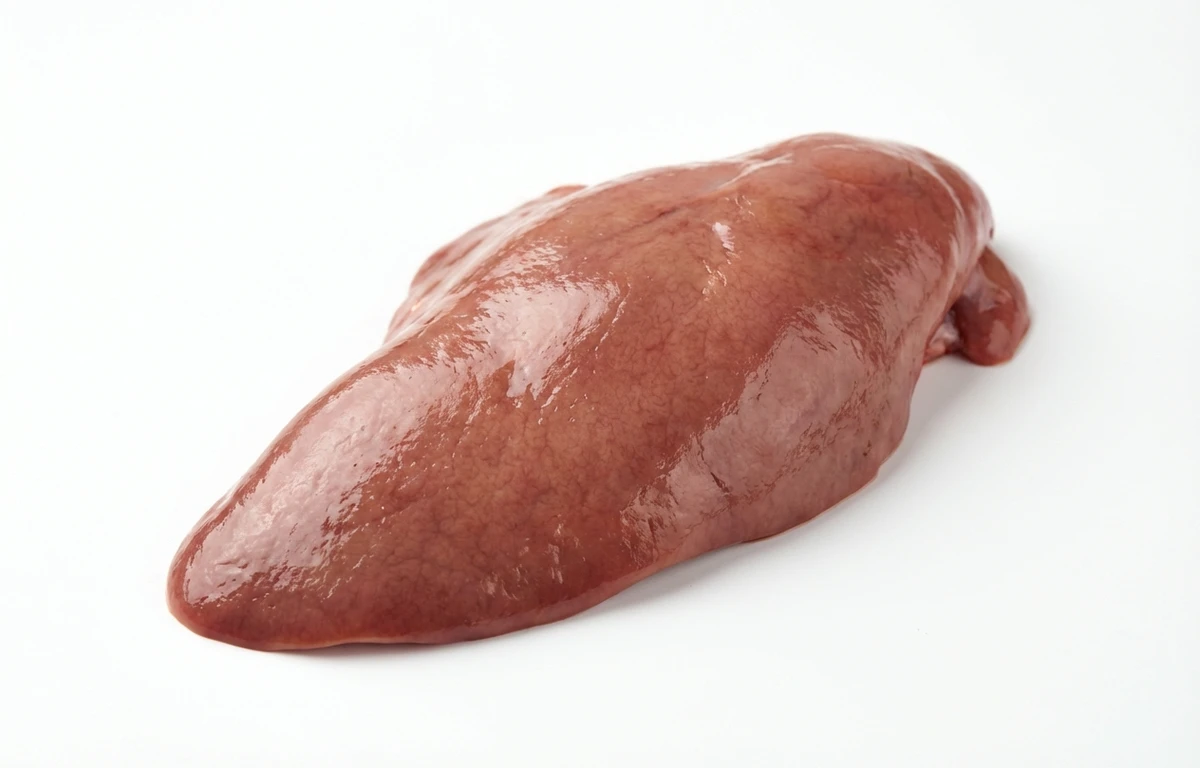
pike liver.
VegetarianVeganGluten-freeDairy-freeNut-freePeanut-freeSoy-freeEgg-freeShellfish-freeHoney-freeAlcohol-free
SERVING
CALORIES
156
PROTEIN
16.6g
CARBS
4.3g
FAT
8.0g
FIBER
0g
NUTRITION PROFILE · per 100 g
Everything in this ingredient.
MACRONUTRIENTS
Calories156kcal—
Protein16.6g33%
Carbohydrates4.3g2%
Total fat8.0g10%
Saturated fat1.8g9%
Cholesterol350mg117%
Water69.8g—
MINERALS
Sodium75mg3%
Potassium300mg6%
Calcium28mg2%
Iron2.1mg12%
Magnesium22mg5%
Phosphorus412mg33%
Zinc3.5mg32%
VITAMINS
Vitamin A4500µg500%
Vitamin C15mg17%
Thiamin (B1)0.10mg8%
Riboflavin (B2)0.70mg54%
Niacin (B3)5.0mg31%
Vitamin B60.60mg35%
%DV based on a 2,000 cal diet. Source: USDA FoodData Central. A dash in the %DV column means there’s no established Daily Value for that nutrient.
MEASUREMENT CONVERSIONS
How much is what.
1 cup248.4g
1 tablespoon15.5g
1 teaspoon5.2g
1 oz28.4g
1 lb453.6g
1 ml1.1g
1 liter1050g
1 piece100g
HEALTH BENEFITS
Why eat it.
- ✓Extremely rich in Vitamin A, which is crucial for vision health, immune function, and cellular growth.
- ✓An excellent natural source of Vitamin D, essential for calcium absorption and maintaining strong bones.
- ✓High in Omega-3 fatty acids (EPA and DHA), which support brain health, reduce inflammation, and promote cardiovascular wellness.
- ✓Good source of iron and Vitamin B12, important for red blood cell formation and preventing anemia.
COOKING TIPS
In the kitchen.
- 1Pike liver is delicate; sauté it gently in butter with shallots or garlic until it's just cooked through to maintain a creamy texture. Avoid overcooking, which can make it tough.
- 2Create a simple pâté by gently poaching the liver, then blending it with butter, fresh herbs like parsley or chives, and a splash of brandy or white wine.
- 3Season simply with salt, pepper, and a squeeze of fresh lemon juice after cooking to complement its rich flavor without overpowering it.
- 4It can be lightly dusted in flour before pan-frying to create a delicate crust.
STORAGE
Keep it fresh.
- For immediate use, store in the coldest part of the refrigerator (below 40°F or 4°C) and consume within 1-2 days due to its high perishability.
- For longer storage, wrap tightly in plastic wrap and then place in a freezer-safe bag, removing as much air as possible. Freeze for up to 3 months for best quality.
FAQ
Frequently asked questions.
Is pike liver healthy?
Yes, pike liver is exceptionally healthy, packed with essential nutrients. It's an outstanding source of Vitamins A and D, Omega-3 fatty acids, iron, and Vitamin B12, supporting vision, bone health, brain function, and red blood cell formation.
What are the specific nutritional benefits of pike liver?
Pike liver is extremely rich in Vitamin A, crucial for vision and immune health, and an excellent source of Vitamin D, vital for bone strength. It also provides high levels of Omega-3 fatty acids (EPA and DHA) for heart and brain health, along with iron and Vitamin B12 to prevent anemia.
How much protein and calories are in pike liver?
Per 100g, pike liver contains approximately 156 calories, 16.6g of protein, 8g of fat, and 4.3g of carbohydrates. This makes it a good source of lean protein with a moderate calorie count.
Is pike liver gluten-free?
Yes, pike liver is naturally gluten-free. As a whole, unprocessed seafood product, it does not contain any gluten. However, always check ingredients if consuming processed pike liver products or dishes to ensure no gluten-containing additives are present.
Is pike liver keto-friendly?
Yes, with only 4.3g of carbohydrates per 100g, pike liver is considered keto-friendly. It provides a good balance of protein and healthy fats, making it suitable for a ketogenic diet.
How do you cook pike liver?
Pike liver can be pan-fried, sautéed, or baked. A common preparation involves gently sautéing it with onions and herbs until cooked through, similar to other fish livers. Ensure it's cooked to an internal temperature of 145°F (63°C).
What does pike liver taste like?
Pike liver has a delicate, mild flavor, often described as less 'fishy' than some other fish livers, with a creamy texture. It's not as strong as cod liver and can be quite palatable, especially when prepared simply with butter and seasonings.
How do you store pike liver?
Fresh pike liver should be stored in the coldest part of your refrigerator, ideally on ice, and consumed within 1-2 days. For longer storage, it can be frozen in an airtight container or freezer bag for up to 3-4 months.
How do you know if pike liver is fresh?
Fresh pike liver should have a uniform color, a firm texture, and a mild, clean scent, not a strong 'fishy' odor. Avoid any liver that appears discolored, slimy, or has a sour smell, as these are signs of spoilage.
Can pregnant women eat pike liver?
Due to its extremely high Vitamin A content (specifically retinol), pregnant women should consume pike liver with caution and in very limited quantities, or avoid it altogether. Excessive Vitamin A can be harmful during pregnancy. Consult a healthcare professional for personalized advice.



















