piloncillo
Also known as: Mexican brown sugar, panela, rapadura, jaggery
Loading...
Also known as: Mexican brown sugar, panela, rapadura, jaggery
Per 100g
Nutrition data source: USDA FoodData Central
Common measurement equivalents in grams
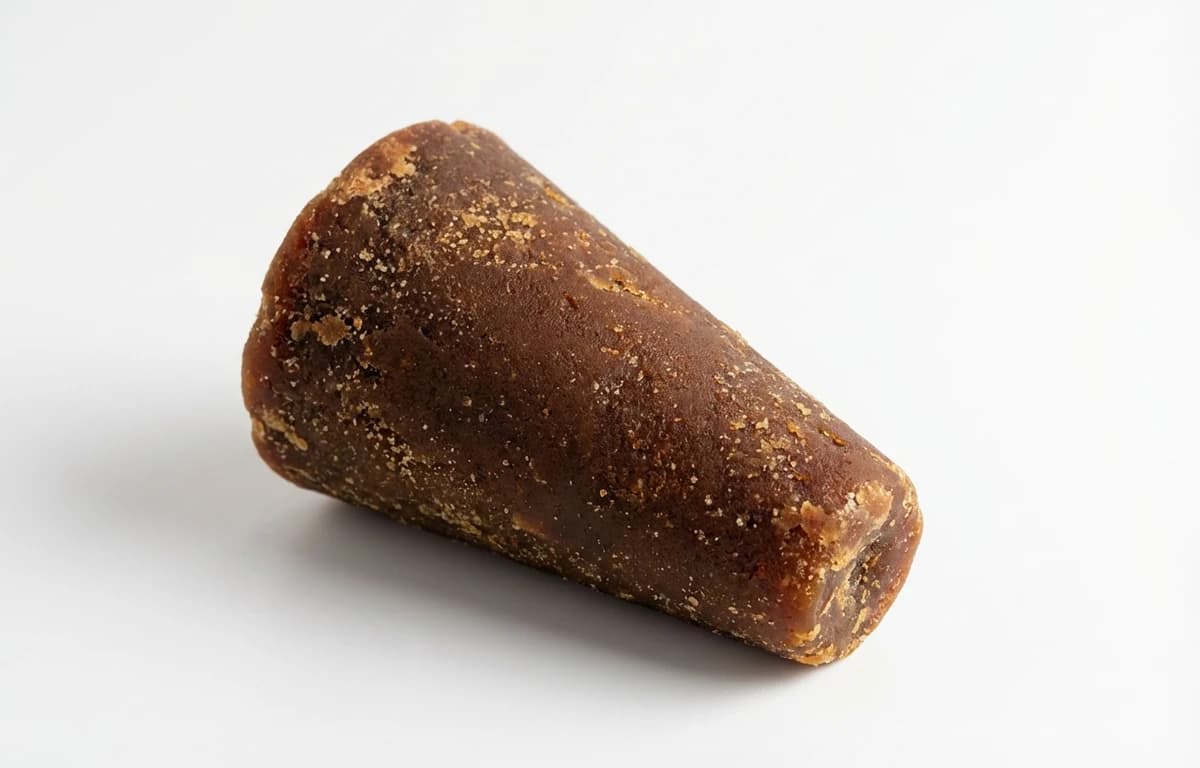
Piloncillo is an unrefined whole cane sugar, commonly used in Latin American cuisine. It's made by boiling down sugarcane juice and pouring it into molds, typically cones or blocks, where it solidifies. It retains more of the natural molasses and nutrients compared to refined sugars.
While still a sugar, piloncillo is considered slightly 'less unhealthy' than refined white sugar. It retains trace minerals like potassium, magnesium, and iron, as well as some antioxidants, which are stripped away during the refining process of white sugar. It also has a slightly lower glycemic index, potentially leading to a more gradual rise in blood sugar.
Piloncillo is primarily carbohydrates and calories, similar to other sugars. Per 100 grams, it contains approximately 383 calories and 95.5 grams of carbohydrates. It has negligible amounts of protein and fat.
Piloncillo is still a sugar and will affect blood glucose levels. Although it has a slightly lower glycemic index than refined white sugar, it should be consumed in moderation by individuals with diabetes. It's best to consult a healthcare professional or registered dietitian for personalized dietary advice.
Yes, piloncillo is generally considered vegan as it's derived directly from sugarcane juice without the use of animal products in its processing. It is also naturally gluten-free, as it contains no wheat, barley, or rye ingredients.
Piloncillo has a rich, complex flavor profile that is often described as caramel-like, with notes of molasses and a hint of smokiness. It's deeper and more nuanced than brown sugar, offering a distinct sweetness that enhances many dishes.
piloncillo is a versatile ingredient found in cuisines around the world. With 383 calories per 100g and 0.1 grams of protein, it's a nutritious addition to many dishes.
Explore more ingredients in the other category with complete nutrition information.
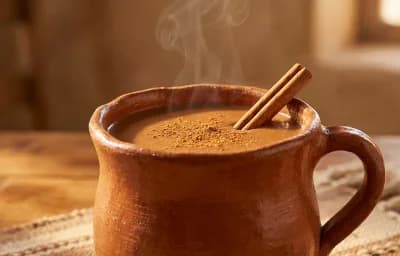
View all other →Piloncillo is commonly used in traditional Latin American desserts, beverages, and savory dishes. It can be melted down to create syrups for coffee or aguas frescas, grated or chopped into baked goods, or used to sweeten marinades and sauces. It's often dissolved in a small amount of hot water before incorporating into recipes.
Piloncillo should be stored in a cool, dry place in an airtight container to prevent it from absorbing moisture or hardening. If it becomes very hard, you can soften it by placing it in a microwave with a small cup of water for a few seconds, or by wrapping it in a damp paper towel.
Yes, piloncillo can often be substituted for brown sugar or even white sugar in recipes, especially when you desire a deeper, more complex flavor. Due to its unrefined nature, it might be slightly less sweet by volume than refined sugars, so you might need to adjust quantities. It's best to grate or chop it for easier dissolution.
Piloncillo, being a sugar, has an extremely long shelf life and generally does not 'expire' in the traditional sense. Over time, it may harden or lose some of its aromatic qualities, but it remains safe to consume indefinitely if stored properly in a cool, dry, airtight container.