Other4 recipes
pimentos.
VegetarianVeganGluten-freeDairy-freeNut-freePeanut-freeSoy-freeEgg-freeShellfish-freeHoney-freeAlcohol-free
ALSO KNOWN AS
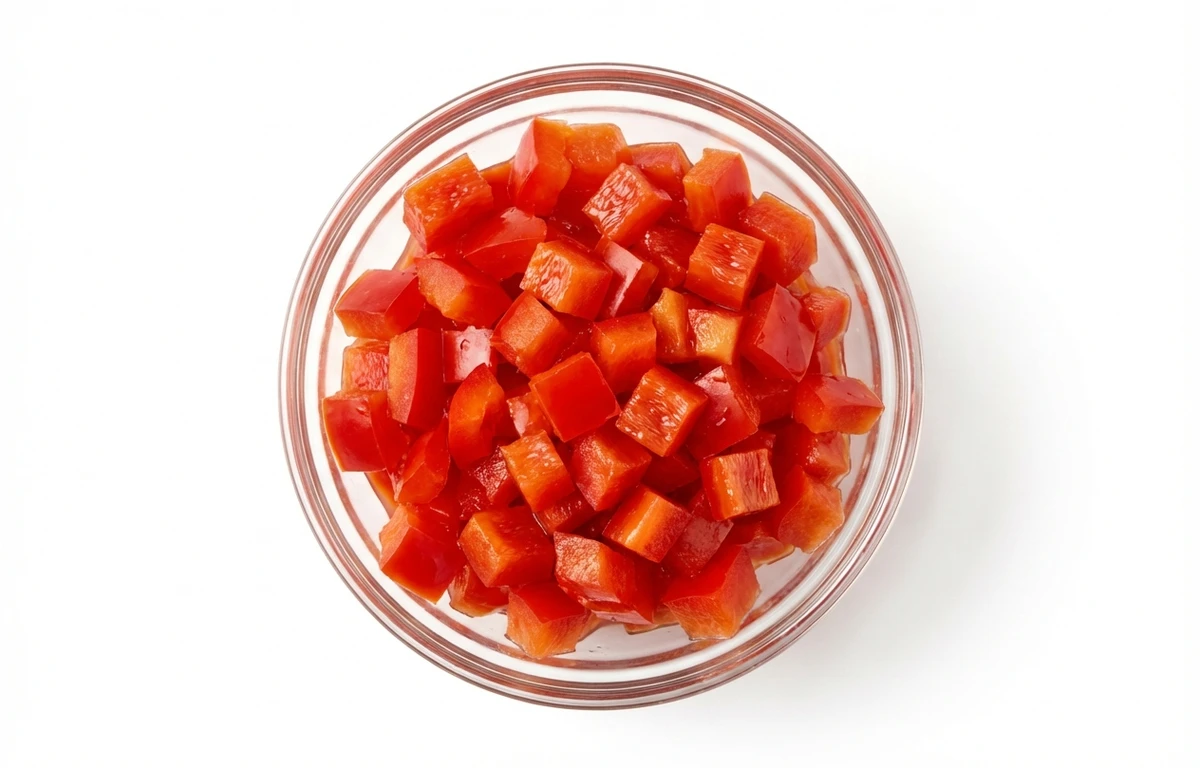
pimientocherry pepperheart pepperpimiento pepper
SERVING
CALORIES
26
PROTEIN
1.0g
CARBS
6.0g
FAT
0.30g
FIBER
2.1g
This ingredient is flagged as naturally gluten-free. Per 100 g, it provides 4.9 µg of vitamin K.
NUTRITION PROFILE · per 100 g
Everything in this ingredient.
MACRONUTRIENTS
Calories26kcal—
Protein1.0g2%
Carbohydrates6.0g2%
Fiber2.1g8%
Sugar4.2g8%
Total fat0.30g0%
Saturated fat0.05g0%
Trans fat0g—
Cholesterol0mg0%
Water92.2g—
MINERALS
Sodium4.0mg0%
Potassium211mg4%
Calcium10mg1%
Iron0.40mg2%
Magnesium12mg3%
Phosphorus26mg2%
Zinc0.20mg2%
Copper0.07mg8%
Manganese0.10mg4%
Selenium0.10µg0%
VITAMINS
Vitamin A157µg17%
Vitamin C128mg142%
Vitamin D0µg0%
Vitamin E1.6mg11%
Vitamin K4.9µg4%
Thiamin (B1)0.05mg4%
Riboflavin (B2)0.08mg6%
Niacin (B3)0.98mg6%
Pantothenic acid (B5)0.32mg6%
Vitamin B60.29mg17%
Folate (B9)18µg5%
Vitamin B120µg0%
%DV based on a 2,000 cal diet. Source: USDA FoodData Central. A dash in the %DV column means there’s no established Daily Value for that nutrient.
MEASUREMENT CONVERSIONS
How much is what.
1 cup140g
1 tablespoon9g
1 oz28.4g
1 lb453.6g
1 piece45g
HEALTH BENEFITS
Why eat it.
- ✓Provides dietary fiber for digestive health
COOKING TIPS
In the kitchen.
- 1Roast pimentos to easily peel off the skin and enhance their natural sweetness
- 2Remove the seeds and white membranes if you want to minimize any slight heat
- 3Finely dice and add to cheese spreads or dips for a classic pimento cheese flavor
STORAGE
Keep it fresh.
- Store fresh pimentos in a plastic bag in the refrigerator crisper drawer for up to 1 week
- Keep them dry before storing to prevent mold growth
- If jarred or canned, refrigerate after opening and consume within 2 weeks
FAQ
Frequently asked questions.
What is the difference between a pimento and a red bell pepper?
Pimentos are smaller, heart-shaped, and have thicker, more succulent flesh than standard red bell peppers. They are also sweeter and more aromatic.
How long do fresh pimentos last?
Fresh pimentos typically last about 7 to 10 days when stored properly in the refrigerator.
Can I freeze pimentos?
Yes, you can freeze them. Wash, core, and chop them first, then spread on a tray to freeze before transferring to a freezer bag.
What is a good substitute for pimentos?
Roasted red bell peppers are the best substitute. For a similar shape and texture, cherry peppers can also be used.
Are pimentos spicy?
No, pimentos are one of the mildest peppers available, scoring very low on the Scoville scale, making them sweet rather than hot.
How do I select the best pimentos?
Look for peppers that are firm, heavy for their size, and have bright, glossy red skin without wrinkles or soft spots.
Are pimentos the same as the red bits in olives?
Yes, the red stuffing found in green olives is typically a small piece of pimento pepper or a pimento-based paste.
Do pimentos need to be cooked?
They can be eaten raw in salads or dips, but they are very commonly used roasted, pickled, or canned.
Are pimentos high in vitamins?
Yes, they are exceptionally high in Vitamin C and Vitamin A, providing more than 100% of the daily value of Vitamin C per 100g.
What are common dishes using pimentos?
They are most famous for Pimento Cheese spread, stuffed olives, and as a garnish in various Spanish and Mediterranean dishes.
RECIPES
Cook with pimentos.
4 recipes · sorted by what’s quick