
Nut Seed
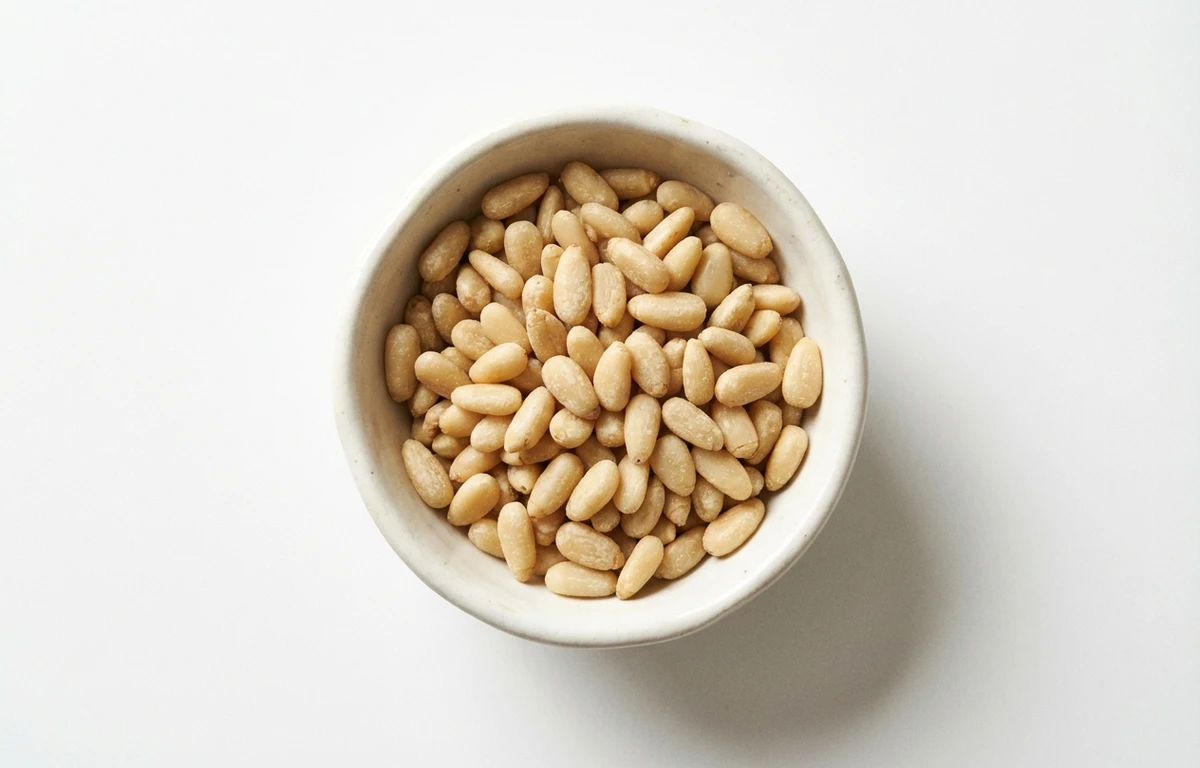
pine seed.
VegetarianVeganGluten-freeDairy-freeNut-freePeanut-freeSoy-freeEgg-freeShellfish-freeHoney-freeAlcohol-free
SERVING
CALORIES
594
PROTEIN
12.6g
CARBS
26.8g
FAT
48.8g
FIBER
3.8g
NUTRITION PROFILE · per 100 g
Everything in this ingredient.
MACRONUTRIENTS
Calories594kcal—
Protein12.6g25%
Carbohydrates26.8g10%
Fiber3.8g14%
Sugar4.7g9%
Total fat48.8g63%
Saturated fat3.8g19%
Trans fat0g—
Cholesterol0mg0%
Water5.3g—
MINERALS
Sodium1.3mg0%
Potassium686mg15%
Calcium17mg1%
Iron4.5mg25%
Magnesium268mg64%
Phosphorus618mg49%
Zinc4.2mg38%
Copper1.2mg130%
Manganese7.9mg344%
Selenium10.6µg19%
VITAMINS
Vitamin A2.0µg0%
Vitamin C0mg0%
Vitamin D0.61µg3%
Vitamin E0.01mg0%
Vitamin K44.5µg37%
Thiamin (B1)0.36mg30%
Riboflavin (B2)0.08mg6%
Niacin (B3)3.5mg22%
Pantothenic acid (B5)0.50mg10%
Vitamin B60.11mg6%
Biotin (B7)18.5µg62%
Folate (B9)31.6µg8%
%DV based on a 2,000 cal diet. Source: USDA FoodData Central. A dash in the %DV column means there’s no established Daily Value for that nutrient.
MEASUREMENT CONVERSIONS
How much is what.
1 cup135g
1 tablespoon8.4g
1 teaspoon2.8g
1 oz28.4g
1 lb453.6g
1 ml0.6g
1 liter571g
1 piece0.2g
HEALTH BENEFITS
Why eat it.
- ✓Rich in heart-healthy monounsaturated fats, including pinolenic acid, which may help support healthy cholesterol levels and suppress appetite.
- ✓Excellent source of magnesium, a mineral vital for energy metabolism, muscle function, and bone health.
- ✓Contains antioxidants like lutein, which helps protect eyes from damage caused by blue light and age-related macular degeneration.
- ✓Provides a good source of vitamin E and manganese, which protect cells from oxidative stress.
COOKING TIPS
In the kitchen.
- 1To enhance their flavor, toast pine nuts in a dry skillet over medium-low heat for 2-3 minutes, shaking the pan frequently until they are golden brown and fragrant.
- 2Pine nuts are the traditional base for Italian pesto sauce, blended with basil, garlic, Parmesan cheese, and olive oil.
- 3Sprinkle toasted pine nuts over salads, pasta dishes, roasted vegetables, or grain bowls for a buttery crunch and added texture.
- 4Incorporate them into baked goods like biscotti, cookies, or stuffings for a rich, nutty flavor.
STORAGE
Keep it fresh.
- Due to their high oil content, pine nuts can become rancid quickly. Store them in an airtight container in the refrigerator for up to 3 months.
- For long-term storage, place them in a freezer-safe bag or container and freeze for up to 9 months to maintain freshness.
FAQ
Frequently asked questions.
Is pine seed healthy?
Yes, pine seeds are very healthy, packed with heart-healthy monounsaturated fats, including pinolenic acid, which may support healthy cholesterol levels. They are also an excellent source of magnesium, vital for energy and bone health. Furthermore, pine seeds provide antioxidants like lutein, vitamin E, and manganese, protecting cells from oxidative stress.
What are the main nutritional benefits of pine seeds?
Pine seeds are calorie-dense, providing about 594 calories per 100g, with 48.79g of healthy fats, 12.55g of protein, and 26.77g of carbohydrates. They are rich in essential minerals like magnesium and manganese, and vitamins such as E and K. Their unique fatty acid profile, including pinolenic acid, is particularly beneficial for cardiovascular health.
Are pine seeds good for weight loss?
While calorie-dense, pine seeds can be beneficial for weight management in moderation. The pinolenic acid they contain may help suppress appetite by stimulating the release of satiety hormones. Their healthy fats and protein also contribute to feeling full, potentially reducing overall calorie intake.
Are pine seeds gluten-free?
Yes, pine seeds are naturally gluten-free. They are a seed from pine trees and do not contain wheat, barley, or rye. This makes them a safe and nutritious option for individuals with celiac disease or gluten sensitivity.
Are pine seeds vegan?
Yes, pine seeds are vegan. They are plant-based seeds harvested from pine cones and contain no animal products or by-products. They are a popular ingredient in many vegan dishes, such as pesto.
Are pine seeds keto-friendly?
Pine seeds contain approximately 26.77g of carbohydrates per 100g, which is relatively high for a strict ketogenic diet if consumed in large quantities. However, in small serving sizes (e.g., 1-2 tablespoons), their healthy fats and protein content can fit into a keto lifestyle. Always monitor your total daily carb intake.
How do you prepare or cook pine seeds?
Pine seeds can be enjoyed raw, added to salads, cereals, or yogurt. To enhance their flavor and aroma, they are often lightly toasted in a dry pan over medium heat for 2-5 minutes until golden brown and fragrant. Be careful not to burn them, as they can turn bitter quickly.
What do pine seeds taste like?
Pine seeds have a delicate, buttery texture and a mild, slightly sweet, and nutty flavor. When toasted, their flavor becomes more pronounced and earthy. They are often described as having a subtle resinous or "piney" undertone, which is characteristic of the seed.
How should I store pine seeds?
Due to their high oil content, pine seeds can go rancid if not stored properly. Keep them in an airtight container in a cool, dark place, such as a pantry, for up to a month. For longer storage, refrigerate them for several months or freeze them for up to a year.
How long do pine seeds last?
Unshelled pine seeds can last longer than shelled ones. Shelled pine seeds stored in a cool, dark pantry typically last about 1 month. When refrigerated in an airtight container, they can last for 3-6 months, and in the freezer, they can stay fresh for up to a year.



















