
Spice
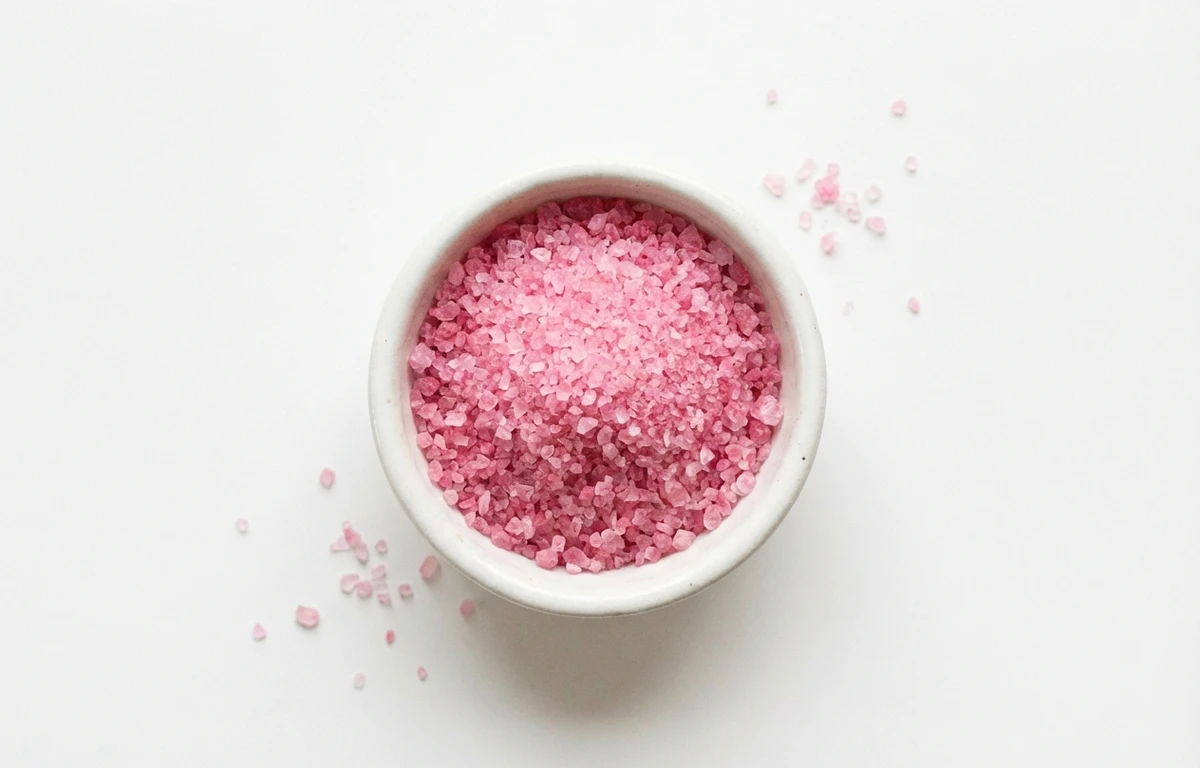
pink curing salt #1.
VegetarianVeganGluten-freeDairy-freeNut-freePeanut-freeSoy-freeEgg-freeShellfish-freeHoney-freeAlcohol-free
SERVING
CALORIES
0
PROTEIN
0g
CARBS
0g
FAT
0g
FIBER
0g
NUTRITION PROFILE · per 100 g
Everything in this ingredient.
MACRONUTRIENTS
Calories0kcal—
Protein0g0%
Carbohydrates0g0%
Fiber0g0%
Sugar0g0%
Total fat0g0%
Saturated fat0g0%
Trans fat0g—
Cholesterol0mg0%
Water0g—
MINERALS
Sodium2180mg95%
%DV based on a 2,000 cal diet. Source: USDA FoodData Central. A dash in the %DV column means there’s no established Daily Value for that nutrient.
MEASUREMENT CONVERSIONS
How much is what.
1 cup288g
1 tablespoon18g
1 teaspoon6g
1 ml1.2g
1 liter1200g
1 piece50g
HEALTH BENEFITS
Why eat it.
- ✓Prevents the growth of Clostridium botulinum, the bacterium that causes botulism, in cured meats.
- ✓Acts as an antimicrobial agent, inhibiting the growth of spoilage bacteria and extending the shelf life of meat products.
- ✓Preserves the characteristic pink or red color in cured meats like bacon and ham by fixing myoglobin.
- ✓Contributes to the development of the unique 'cured' flavor in processed meats.
COOKING TIPS
In the kitchen.
- 1Use with extreme caution and precision. Never use as a substitute for table salt. The typical usage is 1 level teaspoon for every 5 pounds of ground meat.
- 2Ensure the curing salt is thoroughly and evenly mixed with the meat or brine to prevent concentrated pockets, which can be dangerous.
- 3Pink Curing Salt #1 is specifically for meats that will be cooked before eating, such as bacon, ham, and corned beef. It is not for long-term, dry-cured products like salami.
- 4Always follow a trusted, tested recipe when using curing salts to ensure food safety and proper dosage.
STORAGE
Keep it fresh.
- Store in a cool, dry, dark place in a tightly sealed, airtight container to prevent clumping and degradation.
- Keep it clearly labeled and stored separately from regular table salt and other seasonings to prevent accidental misuse, as it is toxic in large quantities.
FAQ
Frequently asked questions.
What is Pink Curing Salt #1, and what is its primary purpose?
Pink Curing Salt #1, also known as Prague Powder #1, is a curing agent composed of 93.75% sodium chloride (table salt) and 6.25% sodium nitrite. Its primary purpose is to safely cure meats for short periods, preventing the growth of harmful bacteria like Clostridium botulinum, preserving the meat's color, and enhancing its flavor.
Is Pink Curing Salt #1 safe to use, and what are its health implications?
Pink Curing Salt #1 is safe and essential when used correctly and in precise, small amounts for curing meat, as it prevents dangerous bacterial growth. However, it is toxic if consumed directly in large quantities and should never be used as a regular seasoning or table salt. Always follow recipes carefully.
What are the ingredients in Pink Curing Salt #1, and why is it pink?
It consists of approximately 93.75% sodium chloride (table salt) and 6.25% sodium nitrite, along with a small amount of anti-caking agent and a pink dye. The pink color is a crucial safety measure to prevent it from being mistaken for regular table salt, as direct consumption of the concentrated nitrite can be harmful.
How much Pink Curing Salt #1 should I use when curing meat?
Precise measurement is critical for both safety and effectiveness. The standard ratio is typically 1 teaspoon (approximately 5.6 grams) per 5 pounds of meat, or 0.25% of the meat's weight. Always follow specific recipe guidelines and never exceed recommended amounts.
Can I substitute Pink Curing Salt #1 with regular salt or Himalayan pink salt?
No, absolutely not. Regular table salt or Himalayan pink salt do not contain sodium nitrite, which is the active ingredient in Pink Curing Salt #1 responsible for preventing botulism and achieving the characteristic color and flavor of cured meats. They are not interchangeable for curing purposes.
Is Pink Curing Salt #1 vegan, vegetarian, or gluten-free?
Pink Curing Salt #1 itself is a chemical compound and not animal-derived, making it technically vegan and vegetarian. It is also naturally gluten-free. However, its sole application is in curing meat products, which are not vegan or vegetarian.
How should Pink Curing Salt #1 be stored, and how long does it last?
Store it in a cool, dry, dark place in a tightly sealed, clearly labeled container, kept separate from regular salt and out of reach of children. When stored properly, it has a very long shelf life, often several years, but it's always best to check the manufacturer's best-by date.
What is the difference between Pink Curing Salt #1 and Pink Curing Salt #2?
Pink Curing Salt #1 (Prague Powder #1) contains sodium nitrite and is used for short-term cures (e.g., bacon, ham, corned beef) that are cooked relatively quickly. Pink Curing Salt #2 (Prague Powder #2) contains both sodium nitrite and sodium nitrate, designed for longer, dry cures (e.g., salami, dry-cured hams) where nitrate slowly converts to nitrite over extended periods.
Does Pink Curing Salt #1 contribute to the flavor of cured meats?
Yes, beyond its crucial preservative role, sodium nitrite plays a significant part in developing the unique 'cured' flavor profile that is characteristic of products like bacon and ham. It also helps to fix the desirable pink or red color in these meats.
What happens if I accidentally use too much Pink Curing Salt #1?
Using too much Pink Curing Salt #1 can be dangerous due to the high concentration of sodium nitrite, potentially leading to nitrite poisoning. Symptoms can include nausea, vomiting, dizziness, and in severe cases, more serious health issues. Always measure precisely and discard any meat where excessive amounts may have been used.



















