
pippali
Also known as:
Loading...
Also known as:
Per 100g
Nutrition data source: USDA FoodData Central
Common measurement equivalents in grams
Yes, pippali is considered healthy due to its medicinal properties. It's known to support respiratory health, aid digestion, and possesses anti-inflammatory and antioxidant compounds like piperine. While a spice, it also provides some protein and fiber.
Pippali is highly valued for its ability to support respiratory health, helping to alleviate coughs and congestion. It also acts as an anti-inflammatory and antioxidant, and significantly aids digestion by stimulating enzymes and enhancing nutrient absorption. Furthermore, it can increase the bioavailability of other nutrients and medications.
Per 100g, pippali contains approximately 216.54 calories, 10.53g of protein, 35.7g of carbohydrates, and 2.27g of fat. As a spice, it's typically consumed in much smaller quantities, so its contribution to daily macronutrient intake is minimal.
Yes, pippali is naturally vegan as it is a plant-derived spice. It is also gluten-free, making it suitable for individuals following a gluten-free diet.
Pippali is generally considered safe for diabetics when consumed in typical spice quantities. Some traditional medicine suggests it may help with blood sugar regulation, but it should not replace prescribed medication. Always consult a healthcare professional for personalized advice.
Pippali is commonly used in Ayurvedic medicine and traditional Indian cooking, often in spice blends or as a digestive aid. It has a complex flavor profile that is initially pungent and peppery, followed by a sweet and warm aftertaste, distinct from black pepper.
pippali is a versatile ingredient found in cuisines around the world. With 216.54 calories per 100g and 10.53 grams of protein, it's a nutritious addition to many dishes.
Explore more ingredients in the spice category with complete nutrition information.
View all spice →While both are 'peppers' and contain piperine, pippali has a more complex, slightly sweeter, and more aromatic flavor profile than black pepper. Black pepper can be used as a substitute for its pungency, but it won't fully replicate pippali's unique taste or its specific traditional medicinal properties.
To maintain its potency and flavor, pippali should be stored in an airtight container in a cool, dark, and dry place, away from direct sunlight and moisture. Whole pippali pods will retain their freshness longer than ground powder.
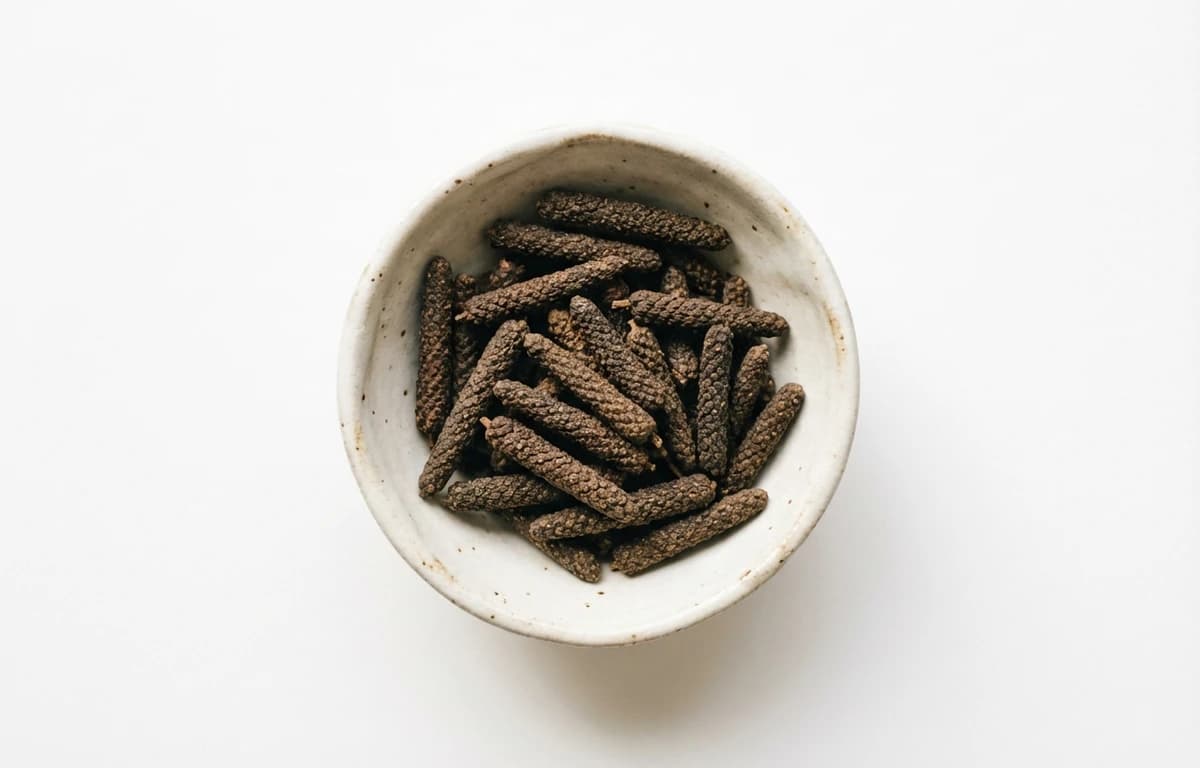
Pippali, also known as long pepper, is a flowering vine in the Piperaceae family, closely related to black pepper (Piper nigrum). While both contain piperine and offer a peppery heat, pippali has a distinct elongated shape and a more nuanced flavor profile that includes sweet and warm notes, making it unique in culinary and medicinal applications.
When consumed in moderate culinary amounts, pippali is generally safe. However, in larger medicinal doses, it may cause stomach upset or irritation. Pregnant or breastfeeding women, and individuals with certain medical conditions (like hyperacidity or ulcers), should consult a doctor before using pippali medicinally.