
Other
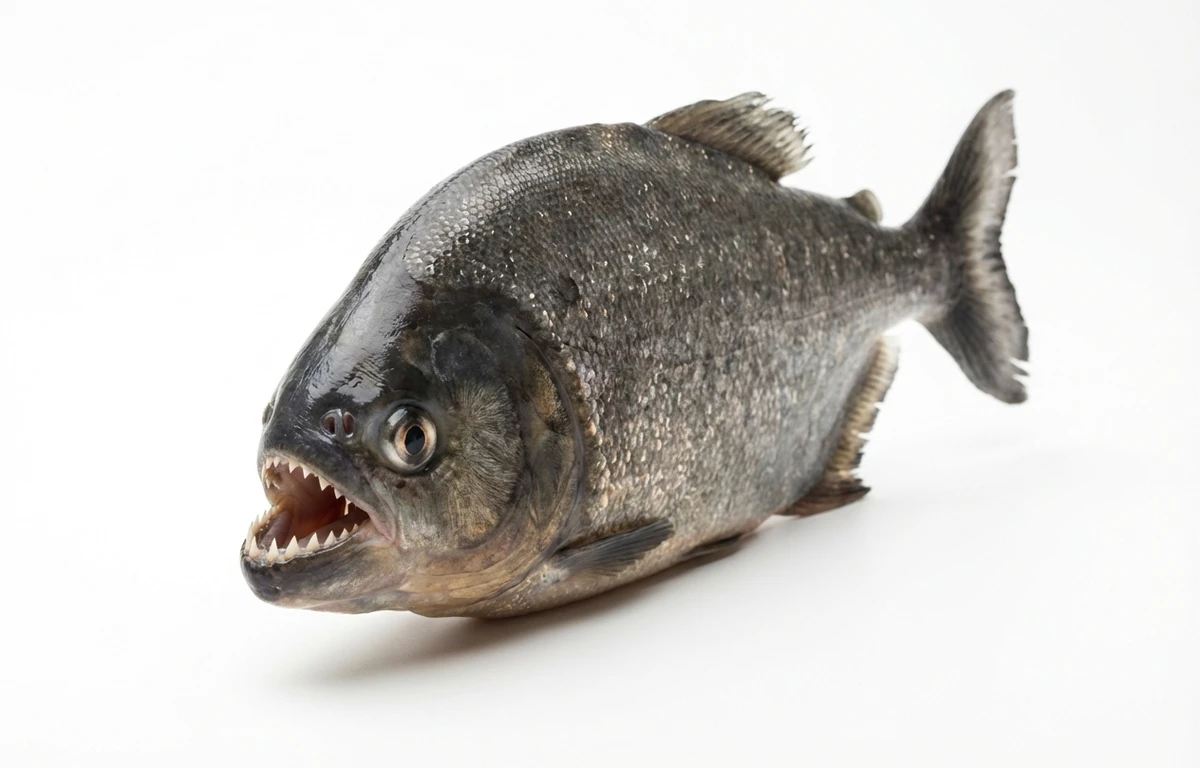
piranha.
VegetarianVeganGluten-freeDairy-freeNut-freePeanut-freeSoy-freeEgg-freeShellfish-freeHoney-freeAlcohol-free
SERVING
CALORIES
131
PROTEIN
20.5g
CARBS
0g
FAT
5.4g
FIBER
0g
This ingredient is flagged as naturally gluten-free. Per 100 g, it provides 3.1 µg of vitamin K.
NUTRITION PROFILE · per 100 g
Everything in this ingredient.
MACRONUTRIENTS
Calories131kcal—
Protein20.5g41%
Carbohydrates0g0%
Fiber0g0%
Sugar0g0%
Total fat5.4g7%
Saturated fat2.0g10%
Trans fat0g—
Cholesterol97.5mg33%
Water76.2g—
MINERALS
Sodium39mg2%
Potassium323mg7%
Calcium14.8mg1%
Iron0.50mg3%
Magnesium23.4mg6%
Phosphorus170mg14%
Zinc0.43mg4%
Copper0mg0%
Manganese0.02mg1%
Selenium28.2µg51%
VITAMINS
Vitamin A1.1µg0%
Vitamin C0mg0%
Vitamin D1.1µg6%
Vitamin E0.37mg2%
Vitamin K3.1µg3%
Thiamin (B1)0.04mg3%
Riboflavin (B2)0.05mg4%
Niacin (B3)0.97mg6%
Pantothenic acid (B5)1.0mg21%
Vitamin B667.9mg3995%
Biotin (B7)774µg2580%
Folate (B9)0µg0%
%DV based on a 2,000 cal diet. Source: USDA FoodData Central. A dash in the %DV column means there’s no established Daily Value for that nutrient.
MEASUREMENT CONVERSIONS
How much is what.
1 oz28.4g
1 lb453.6g
1 piece300g
HEALTH BENEFITS
Why eat it.
- ✓Excellent source of lean protein, essential for muscle growth, repair, and overall body function.
- ✓Rich in B vitamins, particularly B12, which is vital for nerve function and the formation of red blood cells.
COOKING TIPS
In the kitchen.
- 1Traditionally used in Amazonian cuisine to make a flavorful soup (caldo de piranha), where the fish is boiled with vegetables and seasonings.
- 2Piranha can be grilled or fried whole. Due to its many small bones, scoring the fish before cooking can help it cook evenly and make the meat easier to eat.
- 3The flesh is firm and white with a distinct fishy flavor that pairs well with acidic ingredients like lime, chili, and cilantro.
- 4Exercise extreme caution when handling and cleaning the fish, as its teeth remain razor-sharp even after death.
STORAGE
Keep it fresh.
- Store fresh, cleaned piranha on ice in the coldest part of the refrigerator (below 40°F or 4°C) and cook within 1-2 days.
- For long-term storage, pat the fish dry, wrap it tightly in plastic wrap and then foil or freezer paper, and freeze at 0°F (-18°C) for up to 3 months.
FAQ
Frequently asked questions.
Is piranha healthy to eat?
Yes, piranha is a healthy seafood choice. It's an excellent source of lean protein, low in carbohydrates, and provides essential nutrients like omega-3 fatty acids, B vitamins (especially B12), phosphorus, and potassium. These contribute to muscle health, cardiovascular well-being, and nerve function.
How many calories and how much protein are in piranha?
A 100g serving of piranha contains approximately 131.21 calories and a significant 20.46g of protein. It is also very low in carbohydrates (0g) and has about 5.43g of fat, making it a lean protein source.
Is piranha suitable for a keto or low-carb diet?
Yes, piranha is an excellent choice for keto and low-carb diets. It contains 0g of carbohydrates per 100g serving, along with high protein and moderate healthy fats, aligning perfectly with the macronutrient requirements of these diets.
Is piranha gluten-free?
Yes, piranha itself is naturally gluten-free, as it is a pure fish product. When preparing piranha, ensure that no gluten-containing ingredients are added, such as breading or sauces, to maintain its gluten-free status.
What does piranha taste like and how is it typically cooked?
Piranha meat is often described as having a mild, white, flaky texture, similar to tilapia or trout, with a slightly sweet or earthy flavor. It's commonly fried, grilled, or used in stews and soups, especially in regions where it's a traditional food source.
Is it safe to eat piranha, considering its reputation?
Yes, piranha is safe to eat and is a common food source in parts of South America. While known for their aggressive nature in water, once caught and prepared, they are consumed like any other fish. The key is proper handling and cooking.
How should fresh piranha be stored?
Fresh piranha should be stored in the coldest part of your refrigerator, ideally on a bed of ice, and consumed within 1-2 days. For longer storage, it can be frozen in an airtight container or vacuum-sealed bag for several months.
Are there any concerns about mercury levels in piranha?
As with many predatory fish, piranhas can accumulate mercury, though levels vary by species, size, and specific water body. Generally, smaller piranha species and those from less polluted waters tend to have lower mercury levels. It's advisable to consume in moderation, especially for vulnerable populations.
Where is piranha commonly consumed as food?
Piranha is a traditional food source primarily in South American countries, particularly in regions bordering the Amazon River basin, such as Brazil, Peru, and Bolivia. It's often a staple in local diets and a popular catch for recreational fishing.



















