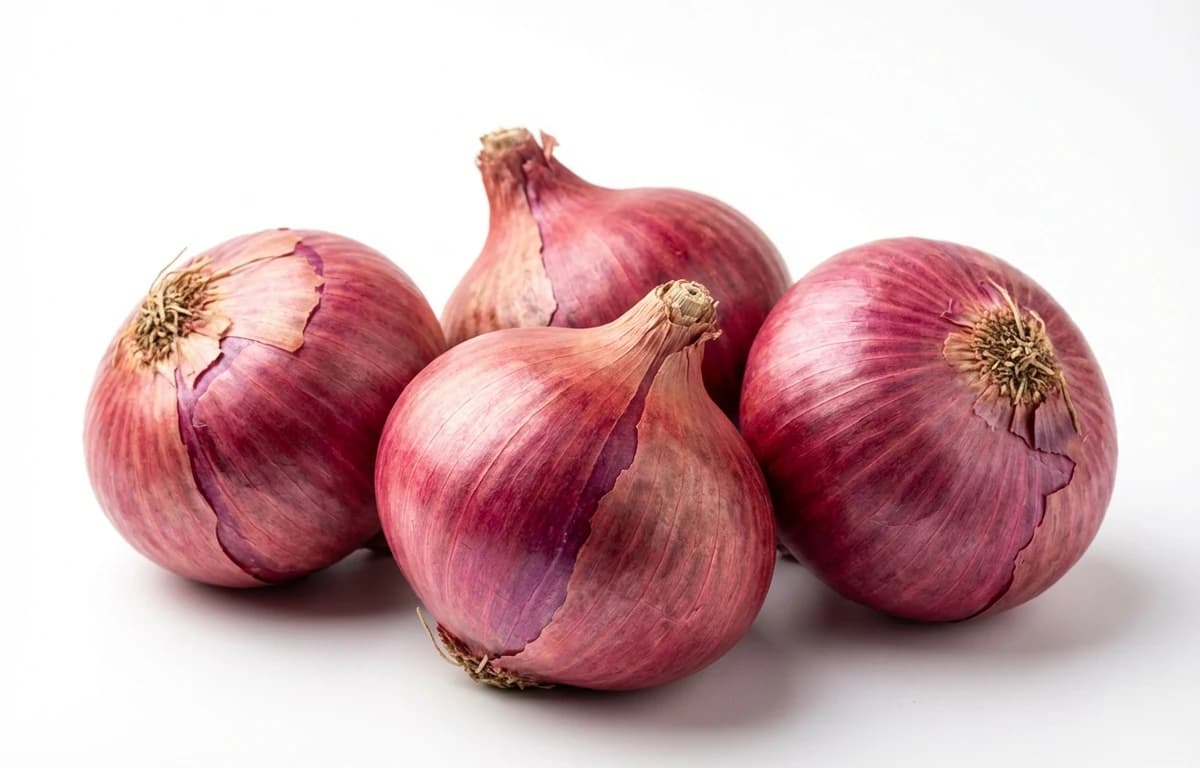
piyaj
Also known as:
Loading...
Also known as:
Per 100g
Nutrition data source: USDA FoodData Central
Yes, piyaj is very healthy. It's rich in antioxidants like quercetin, which has anti-inflammatory properties, and contains sulfur compounds beneficial for cardiovascular health. It also provides prebiotics for gut health and Vitamin C for immunity.
Piyaj is packed with antioxidants, especially quercetin, known for its anti-inflammatory effects. It also contains sulfur compounds that may help lower cholesterol and blood pressure, supporting heart health. Additionally, it's a good source of prebiotics for gut health and Vitamin C for immune function.
Per 100g, piyaj contains approximately 40 calories and 9.34g of carbohydrates. It also provides about 1.1g of protein and a minimal 0.1g of fat, making it a low-calorie, low-fat vegetable.
Yes, piyaj is naturally vegan and gluten-free. As a vegetable, it contains no animal products or gluten-containing grains, making it a versatile ingredient for various dietary needs.
Yes, piyaj can be a good addition to a diabetic diet. It has a relatively low glycemic index and its fiber content can help manage blood sugar levels. Its beneficial compounds may also support overall health for individuals with diabetes.
Piyaj is incredibly versatile. It can be eaten raw in salads and sandwiches, sautéed as a base for countless dishes, roasted to bring out sweetness, or caramelized for rich flavor. It's a staple in cuisines worldwide.
Raw piyaj has a pungent, sharp, and slightly spicy flavor due to sulfur compounds. When cooked, especially sautéed or caramelized, its flavor transforms into a much sweeter, milder, and more complex taste as the natural sugars are released.
piyaj is a versatile ingredient found in cuisines around the world. With 40 calories per 100g and 1.1 grams of protein, it's a nutritious addition to many dishes.
Explore more ingredients in the vegetable category with complete nutrition information.
View all vegetable →Store whole, unpeeled piyaj in a cool, dry, dark, and well-ventilated place, like a pantry or cupboard. Avoid refrigerating whole onions as it can make them soft and reduce their shelf life. Once cut, store in an airtight container in the refrigerator for a few days.
Yes, piyaj can be eaten raw and is often used in salads, salsas, and as a garnish. Raw piyaj offers a crisp texture and a pungent, sharp flavor that can add a zesty kick to dishes.
Cutting piyaj releases sulfur compounds that react to form syn-propanethial-S-oxide, an irritant gas that causes tears. To minimize crying, try cutting them under running water, chilling them beforehand, using a very sharp knife, or wearing protective eyewear.