
Vegetable
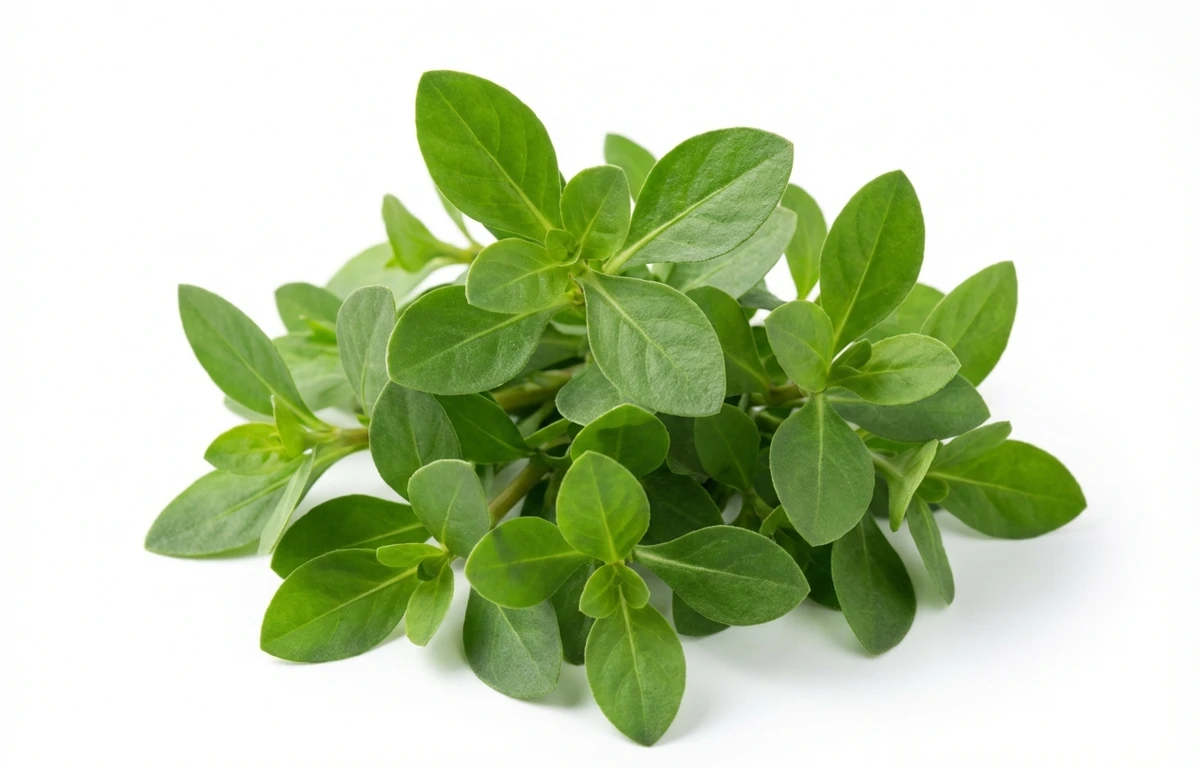
ponnaganni.
VegetarianVeganGluten-freeDairy-freeNut-freePeanut-freeSoy-freeEgg-freeShellfish-freeHoney-freeAlcohol-freeHalalKosher
SERVING
CALORIES
51
PROTEIN
5.3g
CARBS
5.2g
FAT
0.71g
FIBER
6.7g
This ingredient is flagged as naturally gluten-free. Per 100 g, it provides 574 µg of vitamin K.
NUTRITION PROFILE · per 100 g
Everything in this ingredient.
MACRONUTRIENTS
Calories50.9kcal—
Protein5.3g11%
Carbohydrates5.2g2%
Fiber6.7g24%
Sugar0.44g1%
Total fat0.71g1%
Saturated fat0.20g1%
Trans fat0g—
Cholesterol0mg0%
Water79.4g—
MINERALS
Sodium39.4mg2%
Potassium457mg10%
Calcium388mg30%
Iron3.9mg22%
Magnesium80.4mg19%
Phosphorus58.3mg5%
Zinc0.99mg9%
Copper0.21mg23%
Manganese0.66mg29%
Selenium17.2µg31%
VITAMINS
Vitamin A5288µg588%
Vitamin C103mg114%
Vitamin D0.65µg3%
Vitamin E0.54mg4%
Vitamin K574µg478%
Thiamin (B1)0.02mg2%
Riboflavin (B2)0.10mg8%
Niacin (B3)0.32mg2%
Pantothenic acid (B5)0.21mg4%
Vitamin B60.19mg11%
Biotin (B7)11.2µg37%
Folate (B9)48.4µg12%
%DV based on a 2,000 cal diet. Source: USDA FoodData Central. A dash in the %DV column means there’s no established Daily Value for that nutrient.
MEASUREMENT CONVERSIONS
How much is what.
1 cup28g
1 tablespoon1.8g
1 teaspoon0.6g
1 oz28.4g
1 lb453.6g
1 ml0.1g
1 liter118.3g
HEALTH BENEFITS
Why eat it.
- ✓Good source of dietary fiber, aiding in digestion and promoting gut health.
COOKING TIPS
In the kitchen.
- 1Sauté with garlic, onions, and a pinch of turmeric for a simple and nutritious side dish. It cooks quickly, similar to spinach.
- 2Add chopped ponnaganni leaves to lentil dishes (dal) or stews (kootu) during the last 5-10 minutes of cooking to retain nutrients.
- 3Avoid overcooking to preserve its delicate texture and nutritional content; cook just until the leaves are wilted.
- 4The tender stems are also edible and can be finely chopped and cooked along with the leaves.
STORAGE
Keep it fresh.
- Wrap unwashed leaves in a damp paper towel and store in a plastic bag in the refrigerator's crisper drawer for up to 4-5 days.
- For longer storage, blanch the leaves, cool them in an ice bath, drain thoroughly, and freeze in an airtight container.
FAQ
Frequently asked questions.
How much protein and calories are in ponnaganni?
Per 100g, ponnaganni contains approximately 50.91 calories, 5.29g of protein, 5.17g of carbohydrates, and 0.71g of fat. This makes it a relatively low-calorie, good source of plant-based protein for a leafy green.
Is ponnaganni vegan and gluten-free?
Yes, as a leafy green vegetable, ponnaganni is naturally 100% vegan and gluten-free. It's a suitable ingredient for individuals following plant-based or gluten-restricted diets.
How do you cook ponnaganni?
Ponnaganni is versatile and commonly cooked in stir-fries, curries, or as a sautéed side dish. It can be blanched, steamed, or added to soups and stews. It pairs well with lentils, coconut, and spices.
What does ponnaganni taste like?
Ponnaganni has a mild, slightly earthy, and subtly bitter taste, similar to spinach or watercress but often described as having a unique, pleasant flavor. Its taste becomes milder when cooked.
How should I store fresh ponnaganni?
To store fresh ponnaganni, wrap the leaves loosely in a damp paper towel and place them in a perforated plastic bag in the refrigerator's crisper drawer. It typically stays fresh for 3-5 days.
Can ponnaganni be eaten raw?
While traditionally cooked, ponnaganni leaves can be eaten raw in salads, though some prefer to blanch them briefly to reduce any slight bitterness and improve digestibility. Cooking also enhances the bioavailability of some nutrients.



















