
Loading...
Also known as: Ponni Arisi, Kaveri Ponni, White Ponni Rice, South Indian Rice, Tamil Nadu Rice
Per 100g
Nutrition data source: USDA FoodData Central
Common measurement equivalents in grams
When stored in a cool, dry, airtight container, raw Ponni rice can last for 12 to 24 months.
Yes, Ponni rice is naturally gluten-free and safe for those with gluten sensitivities or Celiac disease.
Sona Masuri rice is the closest substitute in terms of grain size and texture. Basmati can be used but has a different aroma.
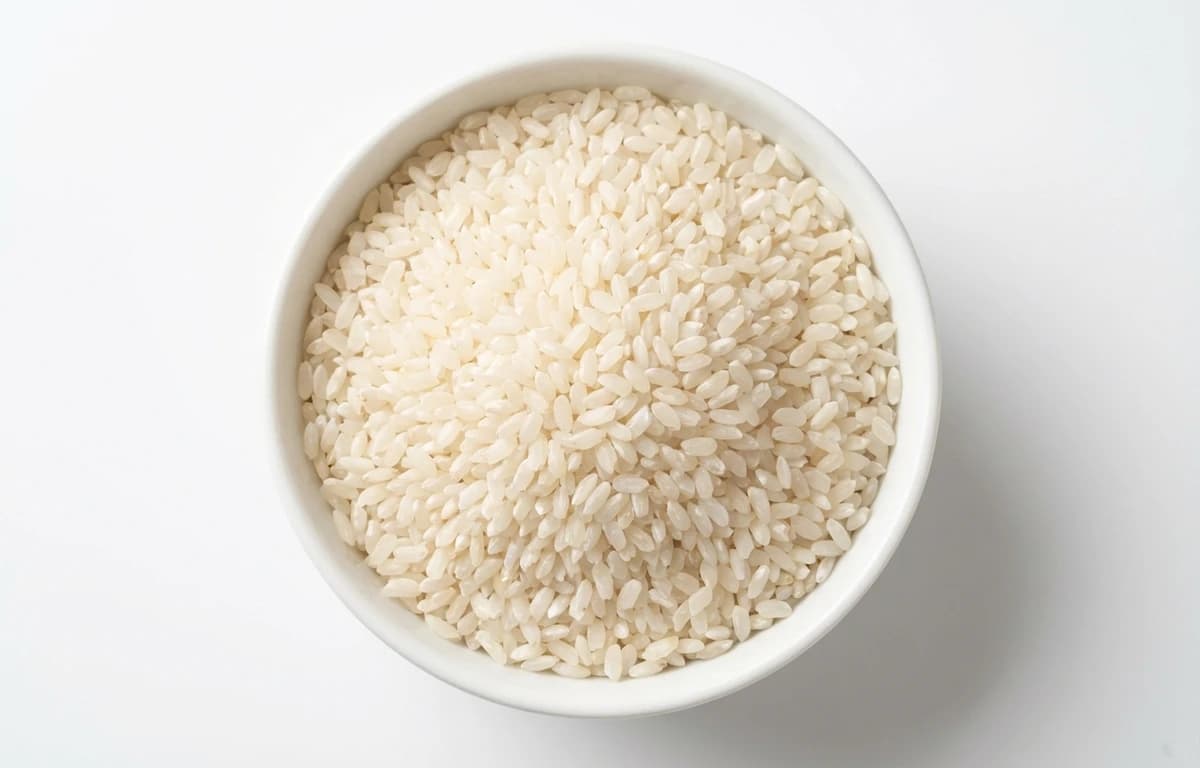
Look for grains that are uniform in size, free from stones or insects, and have a slightly aged, off-white appearance.
Yes, cooked Ponni rice can be frozen for up to 3 months. Ensure it is cooled completely before sealing in freezer bags.
Like all white rice, it is high in carbs. It should be consumed in moderation as part of a balanced diet for weight management.
Ponni rice has shorter, wider grains and a neutral aroma, whereas Basmati has long, slender grains and a distinct floral fragrance.
Rinse the rice under cold water several times, swirling with your fingers, until the water is no longer cloudy.
Standard Ponni rice is usually polished (white rice) and is not considered a whole grain unless specifically labeled as 'Brown Ponni'.
Ponni Rice is a versatile ingredient found in cuisines around the world. With 356 calories per 100g and 7.5 grams of protein, it's a nutritious addition to many dishes.
Explore more ingredients in the grain category with complete nutrition information.
View all grain →Explore more ingredients similar to Ponni Rice.
The most-searched ingredients on CraftMyMeals.
It is a staple for daily meals in South India, often served with Sambar, Rasam, or used to make variety rices like lemon rice.