
Loading...
Also known as:
Per 100g
Nutrition data source: USDA FoodData Central
Common measurement equivalents in grams
Pork and beans can be part of a balanced diet in moderation. They are a good source of plant-based protein, dietary fiber, iron, and potassium. However, many commercially prepared versions can be high in sodium and added sugars, so checking the nutrition label is important.
Pork and beans offer several benefits, including being a good source of dietary fiber, which aids digestion. They provide plant-based protein from the beans, iron for blood health, potassium for blood pressure regulation, and B vitamins essential for energy metabolism.
Per 100g, pork and beans typically contain around 95 calories. They provide approximately 5.5g of protein, 16.5g of carbohydrates, and 1.5g of fat. These values can vary slightly between brands.
No, traditional pork and beans are not suitable for vegetarian or vegan diets because they contain pork. While the primary ingredient is beans, the inclusion of pork fat or pieces makes it a non-vegetarian and non-vegan product.
Most canned pork and beans are naturally gluten-free, as their main ingredients (beans, pork, tomato sauce, spices) do not contain gluten. However, it's always best to check the product label for a 'gluten-free' certification to ensure no hidden gluten-containing ingredients or cross-contamination.
People with diabetes can eat pork and beans, but portion control and checking the label are crucial. They contain carbohydrates (around 16.5g per 100g) and often added sugars, which can impact blood sugar levels. Opt for varieties with lower sodium and sugar content, and factor them into your daily carb count.
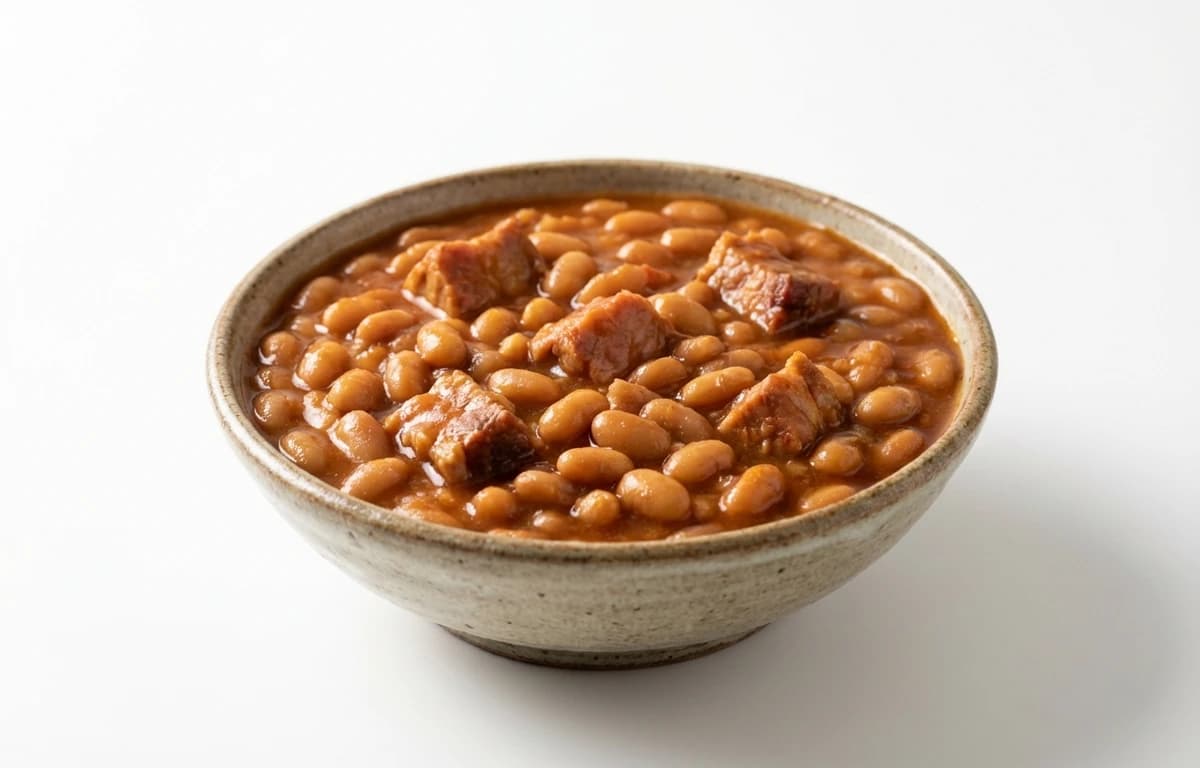
pork and beans is a versatile ingredient found in cuisines around the world. With 95 calories per 100g and 5.5 grams of protein, it's a nutritious addition to many dishes.
Explore more ingredients in the processed food category with complete nutrition information.
View all processed food →Discover 1 recipes featuring pork and beans with step-by-step instructions.
Browse recipes →Explore more ingredients similar to pork and beans.
The most-searched ingredients on CraftMyMeals.
Canned pork and beans are typically pre-cooked and ready to eat. To prepare, simply heat them on the stovetop in a saucepan over medium heat until warmed through, or microwave them in a microwave-safe bowl. Stir occasionally to ensure even heating.
Pork and beans are often served as a simple side dish for barbecues, picnics, or everyday meals. They can also be incorporated into casseroles, baked bean recipes (often with added brown sugar or molasses), or served alongside hot dogs and hamburgers.
Once opened, leftover pork and beans should be transferred from the can to an airtight container and refrigerated promptly. They will typically remain fresh for 3-4 days when stored properly in the refrigerator.
Yes, many commercially canned pork and beans can be high in sodium, which is used as a preservative and flavor enhancer. A single serving can contribute significantly to your daily sodium intake. Look for 'low sodium' or 'reduced sodium' versions if you are monitoring your sodium intake.