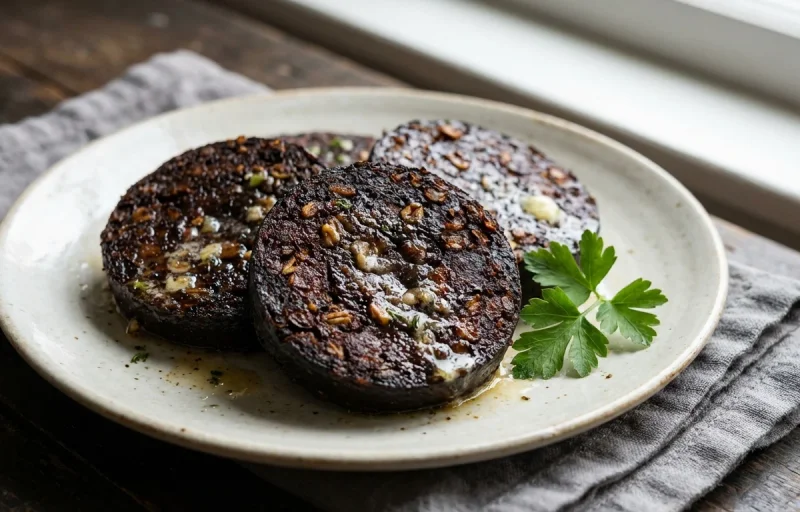
Protein1 recipes
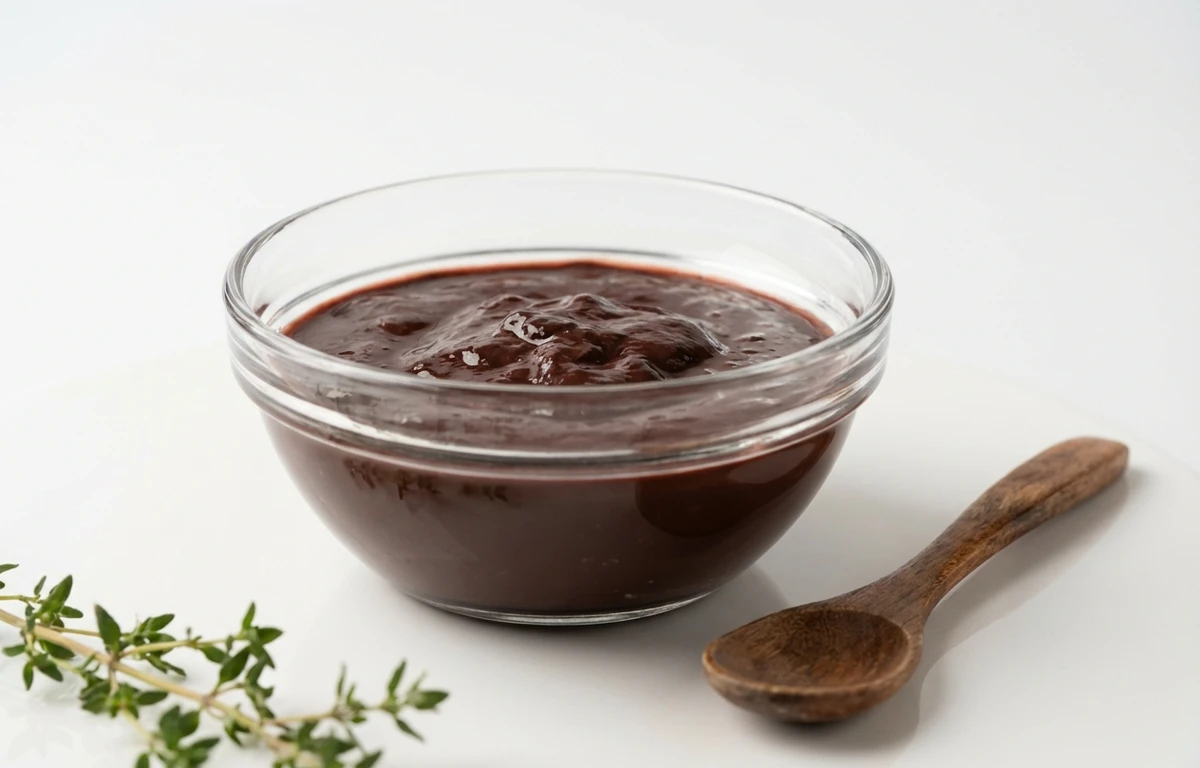
pork blood.
VegetarianVeganGluten-freeDairy-freeNut-freePeanut-freeSoy-freeEgg-freeShellfish-freeHoney-freeAlcohol-freeHalalKosher
SERVING
CALORIES
82
PROTEIN
17.1g
CARBS
2.1g
FAT
0.30g
FIBER
0g
NUTRITION PROFILE · per 100 g
Everything in this ingredient.
MACRONUTRIENTS
Calories82kcal—
Protein17.1g34%
Carbohydrates2.1g1%
Fiber0g0%
Sugar0g0%
Total fat0.30g0%
Saturated fat0.10g1%
Cholesterol36mg12%
MINERALS
Sodium106mg5%
Potassium147mg3%
Calcium5.0mg0%
Iron12.1mg67%
Magnesium7.0mg2%
Phosphorus15mg1%
Zinc0.70mg6%
Copper0.08mg9%
Manganese0.01mg0%
Selenium7.0µg13%
VITAMINS
Vitamin A0µg0%
Vitamin C0mg0%
Vitamin D0µg0%
Vitamin E0mg0%
Vitamin K0µg0%
Thiamin (B1)0.01mg1%
Riboflavin (B2)0.15mg12%
Niacin (B3)1.5mg9%
Pantothenic acid (B5)0.10mg2%
Vitamin B60.05mg3%
Folate (B9)3.0µg1%
Vitamin B120.15µg6%
%DV based on a 2,000 cal diet. Source: USDA FoodData Central. A dash in the %DV column means there’s no established Daily Value for that nutrient.
MEASUREMENT CONVERSIONS
How much is what.
1 cup252g
1 tablespoon15.8g
1 teaspoon5.3g
1 ml1.1g
1 liter1050g
HEALTH BENEFITS
Why eat it.
- ✓Extremely rich in highly bioavailable heme iron, which helps prevent and treat iron-deficiency anemia.
- ✓Provides high-quality complete protein, containing all essential amino acids for muscle building and tissue repair.
- ✓A good source of essential micronutrients, including Vitamin B12, zinc, and selenium.
- ✓Relatively low in calories and fat compared to many other animal protein sources.
COOKING TIPS
In the kitchen.
- 1Solidified blood curd has a delicate, jelly-like texture; handle it gently and add it to soups, stews, or stir-fries near the end of cooking to prevent it from breaking apart or becoming tough.
- 2Its mild, slightly metallic flavor readily absorbs the taste of broths and sauces. Pair it with strong aromatics like ginger, garlic, chili, and scallions.
- 3In liquid form, it acts as a binder and thickener in dishes like blood sausages (e.g., black pudding) and stews (e.g., Filipino Dinuguan). Ensure it is cooked thoroughly to a safe temperature.
- 4Before cooking, rinse solidified blood curd under cold water to remove any excess liquid or off-odors from the packaging.
STORAGE
Keep it fresh.
- Fresh liquid blood is highly perishable; refrigerate immediately at or below 40°F (4°C) and use within 24-48 hours.
- Solidified blood curd should be kept refrigerated in its package or submerged in water in an airtight container and used within 2-3 days.
- For longer storage, solidified blood curd can be frozen for up to 3 months, although its texture may become slightly more porous upon thawing.
FAQ
Frequently asked questions.
Is pork blood healthy?
Yes, pork blood is highly nutritious, especially known for its exceptional iron content. It's also a rich source of high-quality protein, essential vitamins like B12, and minerals such as zinc and selenium. Its low fat and calorie profile make it a nutrient-dense food.
What are the key nutritional benefits of pork blood?
Pork blood is an excellent source of highly bioavailable heme iron, crucial for preventing and treating iron-deficiency anemia. It provides a complete protein profile, supporting muscle growth and repair. Additionally, it's rich in Vitamin B12, vital for nerve function, and minerals like zinc and selenium, which support immune health.
How much protein is in pork blood?
Per 100 grams, pork blood contains approximately 17.1 grams of high-quality protein. This makes it a significant protein source, comparable to many lean meats, and provides all essential amino acids.
Is pork blood suitable for a keto or low-carb diet?
Yes, pork blood can be suitable for keto or low-carb diets. It is very low in carbohydrates (around 2.1g per 100g) and fat (0.3g per 100g), while being high in protein. This makes it a nutrient-dense option that aligns with the macronutrient goals of these diets.
Is pork blood gluten-free?
Yes, pure pork blood is naturally gluten-free. However, if consumed in processed products like blood sausages or puddings, it's important to check the ingredient list as other components might contain gluten.
Is pork blood vegan or vegetarian?
No, pork blood is neither vegan nor vegetarian. It is an animal product derived from pigs, making it unsuitable for both vegan and vegetarian diets.
How is pork blood commonly used in cuisine?
Pork blood is used in various cuisines worldwide, often as a thickener or flavor enhancer. Common applications include blood sausages (like black pudding), stews (e.g., dinuguan in the Philippines), soups, and as an ingredient in some traditional desserts or savory dishes.
What does pork blood taste like?
Pork blood has a distinct, rich, and slightly metallic or irony flavor due to its high iron content. When cooked, it often takes on a savory, earthy taste and a firm, somewhat crumbly texture, especially in dishes like blood sausage.
How should fresh pork blood be stored?
Fresh pork blood is highly perishable and should be stored in an airtight container in the refrigerator immediately after collection. It should be used within 1-2 days or frozen for longer storage. Freezing can alter its texture slightly but preserves its nutritional value.
Is pork blood safe to consume?
When sourced from healthy animals and handled hygienically, pork blood is safe to consume. It must always be thoroughly cooked to eliminate any potential pathogens. Avoid consuming raw or undercooked blood to prevent foodborne illnesses.
RECIPES
Cook with pork blood.
1 recipes · sorted by what’s quick