
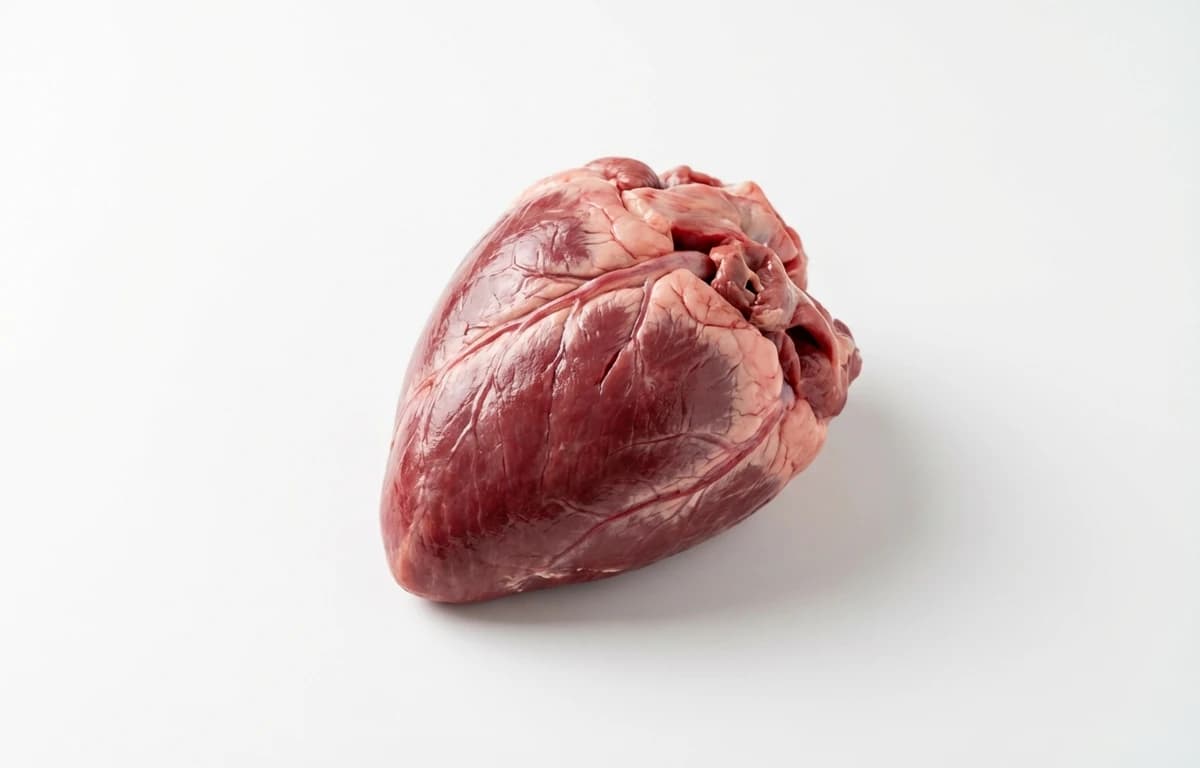
pork heart
Also known as:
Loading...
Also known as:
Per 100g
Nutrition data source: USDA FoodData Central
Common measurement equivalents in grams
Yes, pork heart is exceptionally healthy and considered a nutrient-dense superfood. It's a lean source of high-quality protein, low in calories, and packed with essential vitamins and minerals, making it a valuable addition to a balanced diet.
Pork heart is an outstanding source of Coenzyme Q10 (CoQ10), vital for energy production and cardiovascular health. It's also rich in B-vitamins, especially B12, crucial for nerve function and red blood cell formation, and provides heme iron, zinc, and selenium for overall immune and metabolic support.
Per 100 grams, pork heart contains approximately 16.31 grams of high-quality protein and only about 109.23 calories. It's also very low in carbohydrates (0g) and has a moderate fat content of 4.87 grams, making it a lean protein option.
Absolutely, pork heart is an excellent choice for keto and low-carb diets. It contains 0 grams of carbohydrates per serving, is high in protein, and provides essential nutrients without adding to your carb count.
Yes, plain pork heart is naturally gluten-free. As a whole, unprocessed meat, it does not contain any gluten-containing grains or additives, making it safe for individuals with celiac disease or gluten sensitivity.
Pork heart can be prepared in various ways; it benefits from either quick cooking methods like grilling or pan-searing when sliced thinly, or slow cooking methods like braising or stewing to tenderize it. Marinating can also help enhance its flavor and tenderness.
Pork heart has a lean, firm texture, similar to a tough steak, and a rich, slightly gamey, beef-like flavor. It's less 'livery' than other organ meats and can be quite palatable, especially when properly prepared and seasoned.
pork heart is a versatile ingredient found in cuisines around the world. With 109.23 calories per 100g and 16.31 grams of protein, it's a nutritious addition to many dishes.
Explore more ingredients in the other category with complete nutrition information.
View all other →Fresh pork heart should be stored in the coldest part of your refrigerator, ideally in its original packaging or a sealed container, and used within 1-2 days. For longer storage, it can be frozen for up to 3-6 months.
Fresh pork heart should have a deep reddish-brown color, a firm and moist texture, and a mild, clean smell. Avoid any heart that appears discolored, slimy, or has a strong, off-putting odor, as these are signs of spoilage.
Yes, pork heart is a very suitable food for individuals with diabetes. It's carbohydrate-free, high in protein, and low in calories, which can help manage blood sugar levels and promote satiety without impacting glucose.