Protein2 recipes
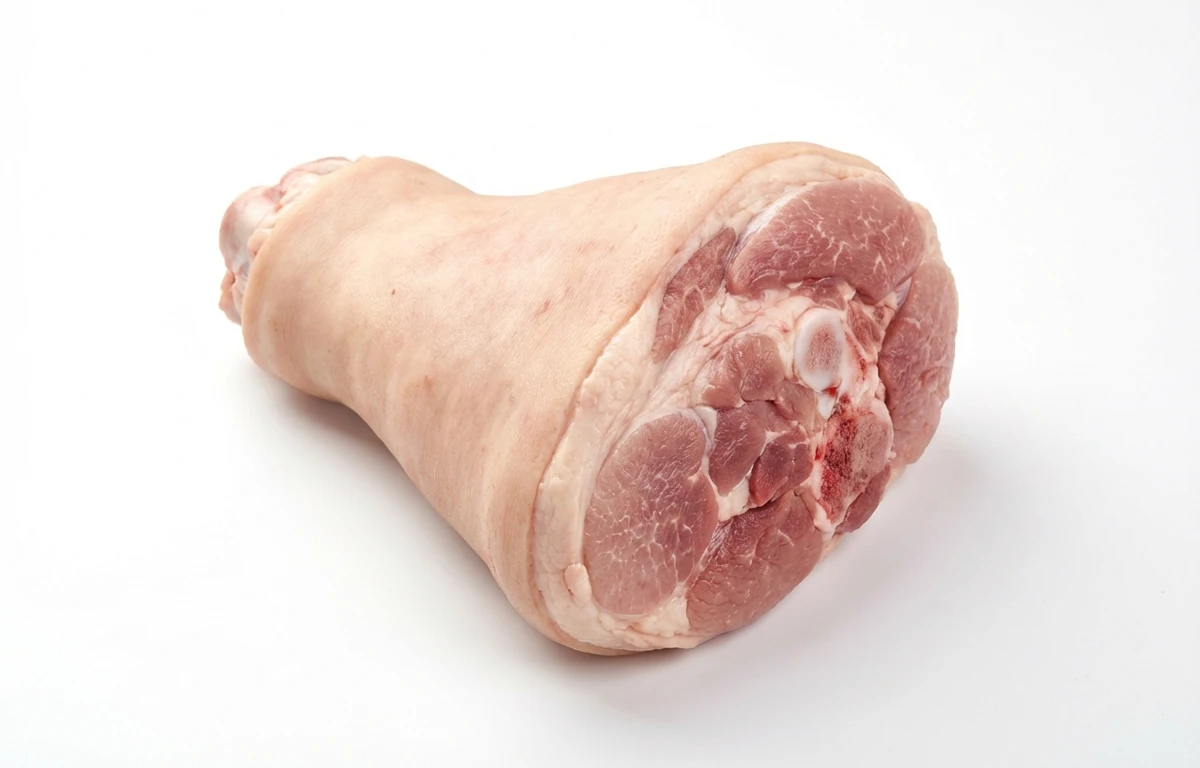
pork hock.
VegetarianVeganGluten-freeDairy-freeNut-freePeanut-freeSoy-freeEgg-freeShellfish-freeHoney-freeAlcohol-freeHalalKosher
ALSO KNOWN AS
pork knucklepork knucklespork hocks
SERVING
CALORIES
260
PROTEIN
19g
CARBS
0g
FAT
20.5g
FIBER
0g
NUTRITION PROFILE · per 100 g
Everything in this ingredient.
MACRONUTRIENTS
Calories260kcal—
Protein19g38%
Carbohydrates0g0%
Fiber0g0%
Sugar0g0%
Total fat20.5g26%
Saturated fat7.4g37%
Trans fat0.10g—
Cholesterol95mg32%
Water59g—
MINERALS
Sodium65mg3%
Potassium240mg5%
Calcium12mg1%
Iron1.1mg6%
Magnesium18mg4%
Phosphorus160mg13%
Zinc2.8mg25%
Copper0.08mg9%
Manganese0.01mg0%
Selenium25µg45%
VITAMINS
Vitamin A2.0µg0%
Vitamin C0mg0%
Vitamin D0.50µg3%
Vitamin E0.20mg1%
Vitamin K0µg0%
Thiamin (B1)0.50mg42%
Riboflavin (B2)0.20mg15%
Niacin (B3)4.2mg26%
Pantothenic acid (B5)0.60mg12%
Vitamin B60.30mg18%
Folate (B9)4.0µg1%
Vitamin B120.80µg33%
%DV based on a 2,000 cal diet. Source: USDA FoodData Central. A dash in the %DV column means there’s no established Daily Value for that nutrient.
MEASUREMENT CONVERSIONS
How much is what.
1 cup140g
1 tablespoon8.8g
1 teaspoon2.9g
1 oz28.4g
1 lb453.6g
1 ml0.6g
1 liter583.3g
1 piece500g
HEALTH BENEFITS
Why eat it.
- ✓Rich source of collagen and gelatin, which support joint health, skin elasticity, and gut integrity.
- ✓Provides complete protein, containing all essential amino acids necessary for muscle repair and growth.
- ✓Excellent source of B vitamins, particularly B12 and B6, crucial for energy metabolism and nervous system function.
- ✓Contains important minerals like zinc and selenium, which support immune function and act as antioxidants.
COOKING TIPS
In the kitchen.
- 1Ideal for slow-cooking methods like braising, stewing, or simmering to break down the tough connective tissue and render the fat, resulting in tender meat.
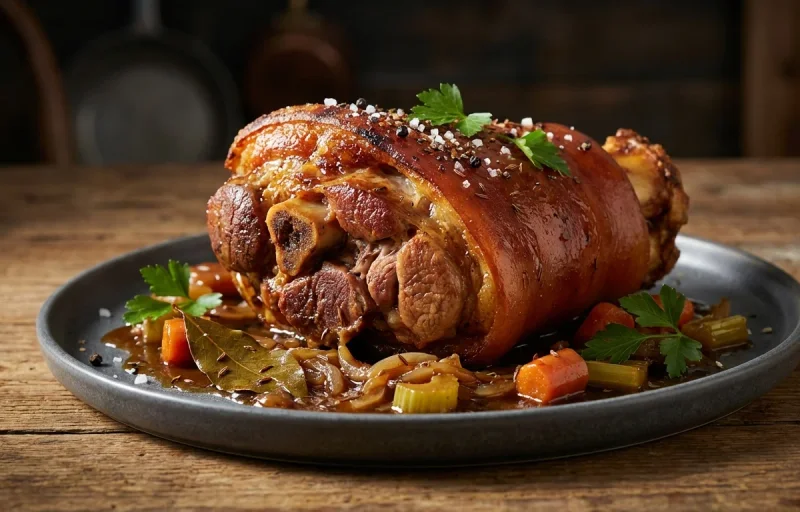
- 2For crispy skin (like in German Schweinshaxe), first simmer the hock until tender, then pat dry and roast at a high temperature.
- 3Smoked pork hocks are excellent for adding a deep, savory, and smoky flavor to soups, beans, and greens like collards.
- 4Before cooking, consider brining the hock for several hours to enhance its flavor and moisture.
STORAGE
Keep it fresh.
- Store fresh pork hocks in the original packaging or a sealed container in the coldest part of the refrigerator (below 40°F or 4°C) for up to 3 days.
- For long-term storage, wrap tightly in plastic wrap and freezer paper or a vacuum-sealed bag and freeze at 0°F (-18°C) for up to 6 months.
FAQ
Frequently asked questions.
Is pork hock healthy?
Pork hock offers significant health benefits, being a rich source of collagen, gelatin, and complete protein, which support joint health, skin elasticity, and muscle repair. It also provides essential B vitamins and minerals like zinc and selenium. However, it is high in fat and calories, so moderation is key.
What are the nutritional values of pork hock?
Per 100g, pork hock contains approximately 260 calories, 19g of protein, 0g of carbohydrates, and 20.5g of fat. It's a dense source of energy and protein, with no carbs, making it a substantial food item.
Is pork hock good for joint and skin health?
Yes, pork hock is an excellent source of collagen and gelatin, which are crucial for maintaining healthy joints, improving skin elasticity, and supporting gut integrity. These beneficial compounds are released into broths and sauces during slow cooking.
Is pork hock keto-friendly or low-carb?
Yes, pork hock is very keto-friendly and low-carb, as it contains 0g of carbohydrates per 100g. Its high fat and protein content make it suitable for ketogenic diets, providing satiety and essential nutrients without impacting blood sugar.
Is pork hock gluten-free?
Yes, plain pork hock is naturally gluten-free, as it is simply a cut of meat. However, always check ingredients if purchasing pre-seasoned or processed pork hock products, as some marinades or brines might contain gluten-containing additives.
How do you cook pork hock?
Pork hock is best cooked using slow, moist heat methods like braising, stewing, or smoking. This breaks down the tough connective tissues, rendering the meat incredibly tender and the skin gelatinous or crispy. It's often cooked for several hours until fork-tender.
What does pork hock taste like?
When properly cooked, pork hock has a rich, savory, and deeply porky flavor. The meat becomes incredibly tender and succulent, while the skin and connective tissues transform into a gelatinous, melt-in-your-mouth texture, often with a crispy exterior if roasted or fried after braising.
How do you store fresh pork hock?
Fresh pork hock should be stored in the coldest part of your refrigerator, ideally in its original packaging or a sealed container, for 3-5 days. For longer storage, it can be frozen for up to 6-12 months, ensuring it's well-wrapped to prevent freezer burn.
What is the difference between fresh and smoked pork hock?
Fresh pork hock is raw and unseasoned, requiring longer cooking and seasoning to develop flavor. Smoked pork hock has been cured and smoked, giving it a distinct smoky flavor and often a saltier profile. Smoked hocks are commonly used in soups and stews for flavor, while fresh hocks are often braised or roasted.
Is pork hock high in fat?
Yes, pork hock is relatively high in fat, containing about 20.5g of fat per 100g. Much of this fat is located in the skin and connective tissues, which contribute significantly to its rich flavor and texture when cooked slowly, but also its caloric density.
RECIPES
Cook with pork hock.
2 recipes · sorted by what’s quick