
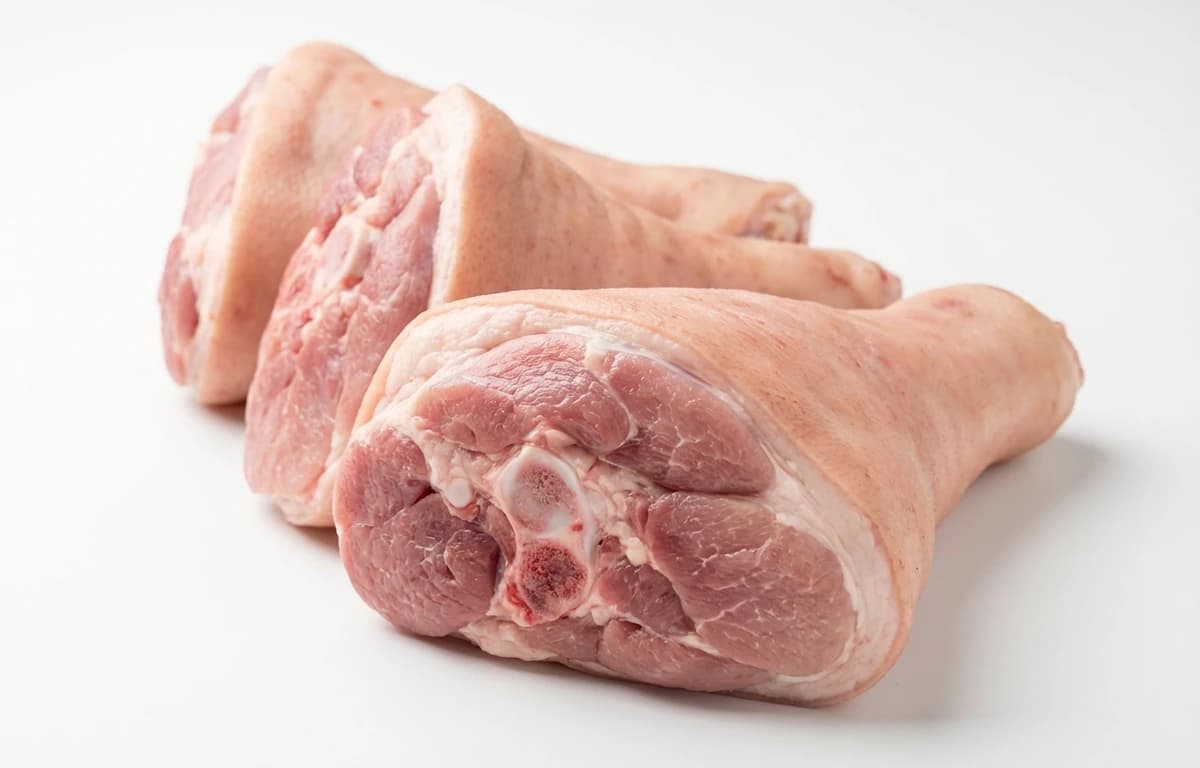
pork hocks
Also known as: pork knuckles
Loading...
Also known as: pork knuckles
Per 100g
Nutrition data source: USDA FoodData Central
Common measurement equivalents in grams
Pork hocks offer significant health benefits, particularly as an excellent source of collagen and gelatin, which support joint health, skin elasticity, and gut integrity. They also provide high-quality protein and essential B vitamins and minerals. However, they are high in fat and calories, so moderation is key, especially for those monitoring fat intake.
Per 100g, pork hocks contain approximately 280 calories, 23.9g of protein, 0g of carbohydrates, and 19.8g of fat. They are a dense source of energy, protein, and beneficial nutrients like B vitamins, zinc, and selenium, crucial for various bodily functions.
Yes, pork hocks are exceptionally good for joint health due to their high content of collagen and gelatin. These compounds are crucial for maintaining cartilage, tendons, and ligaments, potentially reducing joint pain and improving flexibility. The slow cooking process helps extract these beneficial components.
Yes, pork hocks are very keto-friendly. They contain 0g of carbohydrates and are rich in protein and fat, making them an ideal food for a ketogenic diet. The high fat content provides sustained energy, while the protein supports muscle maintenance.
Naturally, raw pork hocks are gluten-free. However, when preparing them, ensure that any marinades, rubs, or sauces used are also gluten-free to maintain this property. Always check ingredient labels if purchasing pre-seasoned or processed hocks.
Pork hocks are best cooked slowly to tenderize the tough connective tissues and render the fat, making them incredibly flavorful. Popular methods include braising, simmering in soups or stews, or slow roasting until the meat is fall-off-the-bone tender. They often require several hours of cooking.
pork hocks is a versatile ingredient found in cuisines around the world. With 280 calories per 100g and 23.9 grams of protein, it's a nutritious addition to many dishes.
Explore more ingredients in the protein category with complete nutrition information.
View all protein →Pork hocks have a rich, savory, and deeply porky flavor, with a gelatinous texture when properly cooked. They are commonly used in hearty, slow-cooked dishes like German Schweinshaxe, Polish Golonka, or Southern American collard greens, where they impart a robust flavor and tender meat.
Raw pork hocks should be stored in the coldest part of your refrigerator, ideally in their original packaging or a sealed container, for 2-3 days. For longer storage, they can be frozen for up to 6-12 months. Ensure they are wrapped tightly to prevent freezer burn.
Fresh pork hocks should have a pinkish-red color, a firm texture, and a mild, fresh smell. Avoid hocks that appear grayish, have a slimy texture, or emit any sour or off odors, as these are signs of spoilage.
While pork hocks offer nutritional benefits, their high fat content, including saturated fat, means they should be consumed in moderation by individuals managing high cholesterol. It's advisable to consult with a healthcare professional or dietitian for personalized dietary advice.