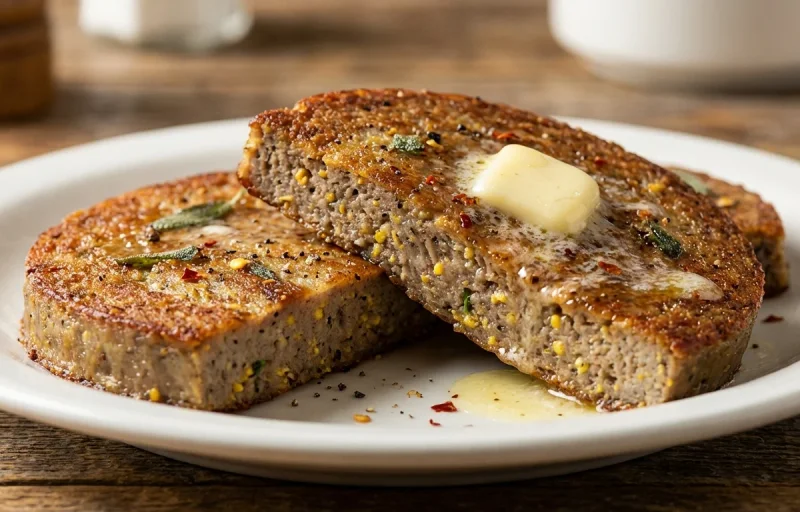
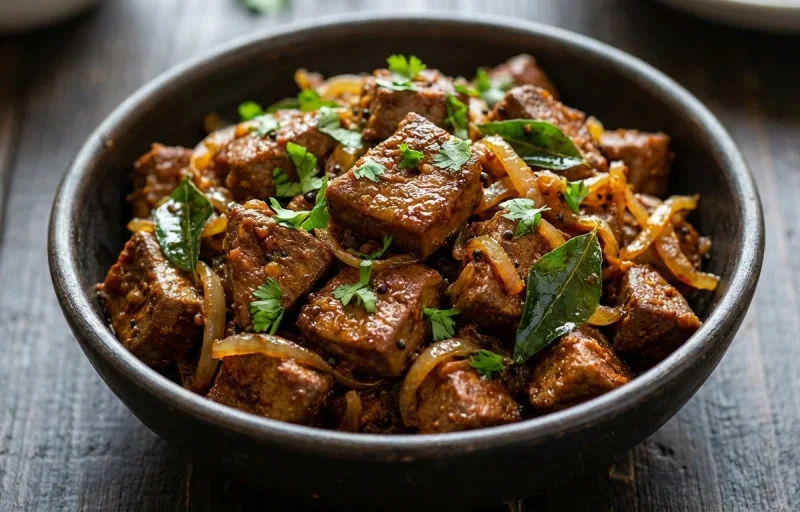
Other4 recipes
pork liver.
VegetarianVeganGluten-freeDairy-freeNut-freePeanut-freeSoy-freeEgg-freeShellfish-freeHoney-freeAlcohol-freeHalalKosher
ALSO KNOWN AS
pig liverraw pork liver
SERVING
CALORIES
135
PROTEIN
20.4g
CARBS
1.5g
FAT
4.5g
FIBER
0g
This ingredient is flagged as naturally gluten-free. Per 100 g, it provides 4.5 µg of vitamin K.
NUTRITION PROFILE · per 100 g
Everything in this ingredient.
MACRONUTRIENTS
Calories135kcal—
Protein20.4g41%
Carbohydrates1.5g1%
Fiber0g0%
Sugar0.30g1%
Total fat4.5g6%
Saturated fat1.5g8%
Trans fat0g—
Cholesterol355mg118%
Water72.5g—
MINERALS
Sodium87mg4%
Potassium273mg6%
Calcium7.0mg1%
Iron17.9mg99%
Magnesium16.6mg4%
Phosphorus310mg25%
Zinc4.2mg38%
Copper0.66mg73%
Manganese0.17mg7%
Selenium33.5µg61%
VITAMINS
Vitamin A6500µg722%
Vitamin C23mg26%
Vitamin D1.3µg7%
Vitamin E0.85mg6%
Vitamin K4.5µg4%
Thiamin (B1)0.16mg13%
Riboflavin (B2)0.31mg24%
Niacin (B3)13.8mg86%
Pantothenic acid (B5)7.9mg159%
Vitamin B60.37mg22%
Biotin (B7)954µg3180%
Folate (B9)0µg0%
Vitamin B127.4µg307%
%DV based on a 2,000 cal diet. Source: USDA FoodData Central. A dash in the %DV column means there’s no established Daily Value for that nutrient.
MEASUREMENT CONVERSIONS
How much is what.
1 cup150g
1 oz28.4g
1 lb453.6g
1 piece70g
HEALTH BENEFITS
Why eat it.
- ✓Packed with Vitamin B12, essential for brain health and the formation of red blood cells.
- ✓A concentrated source of high-quality protein, copper, and folate.
COOKING TIPS
In the kitchen.
- 1Soak liver in milk or buttermilk for 30-60 minutes before cooking to reduce its strong, metallic flavor.
- 2Slice thinly and cook quickly over medium-high heat (e.g., pan-searing) to avoid a tough, rubbery texture.
- 3Pair with strong flavors like caramelized onions, bacon, garlic, or acidic elements like vinegar or lemon juice to complement its richness.
- 4Ensure it's cooked through to an internal temperature of 160°F (71°C), but be careful not to overcook.
STORAGE
Keep it fresh.
- Refrigerate fresh liver immediately at 40°F (4°C) or below and use within 1-2 days.
- For longer storage, freeze by wrapping tightly in plastic wrap and foil or a freezer bag for up to 3-4 months at 0°F (-18°C).
FAQ
Frequently asked questions.
Is pork liver healthy?
Yes, pork liver is exceptionally healthy due to its dense nutrient profile. It's a powerhouse of vitamins and minerals, including Vitamin A, B12, iron, and folate, which are crucial for various bodily functions. However, it's also high in cholesterol, so moderation is key for some individuals.
How much protein and calories are in pork liver?
Per 100g, pork liver contains approximately 135 calories and a significant 20.4g of high-quality protein. It also has about 4.5g of fat and 1.5g of carbohydrates, making it a nutrient-dense food.
Is pork liver keto-friendly?
Yes, pork liver is very keto-friendly. With only 1.5g of carbohydrates per 100g and a good balance of protein (20.4g) and fat (4.5g), it fits well into a ketogenic diet. It also provides essential micronutrients often lacking in restrictive diets.
Is pork liver gluten-free?
Yes, fresh, plain pork liver is naturally gluten-free. When preparing it, ensure that no gluten-containing ingredients are added, such as breading or certain sauces, to maintain its gluten-free status.
How do you cook pork liver to make it tender?
To ensure tenderness, soak pork liver in milk or buttermilk for 30-60 minutes before cooking to reduce bitterness and soften the texture. Pat it dry, season, and then pan-fry quickly over medium-high heat for 2-3 minutes per side until just cooked through, avoiding overcooking which can make it tough.
What does pork liver taste like?
Pork liver has a distinct, rich, and slightly metallic flavor, often described as earthy or gamey, which is characteristic of organ meats. Its texture is generally smooth and tender when cooked properly, but can become grainy or tough if overcooked.
How should I store fresh pork liver?
Fresh pork liver should be stored in the coldest part of your refrigerator, ideally in its original packaging or a sealed container, and consumed within 1-2 days. For longer storage, it can be frozen for up to 3-4 months; wrap it tightly in plastic wrap and then foil or place in a freezer-safe bag.
How do you know if pork liver is fresh or spoiled?
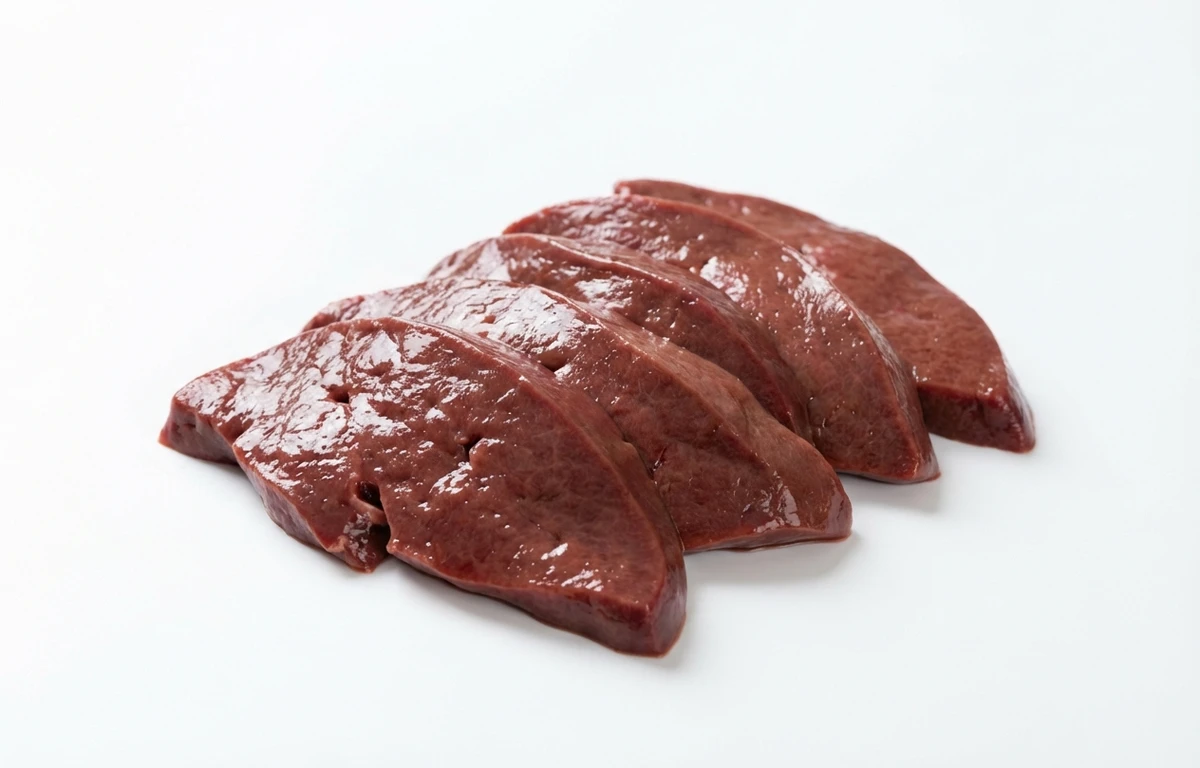
Fresh pork liver should have a shiny, deep reddish-brown color and a smooth, moist surface. It should have a mild, slightly metallic smell. Avoid liver that appears dull, grayish, or has a strong, sour, or ammonia-like odor, as these are signs of spoilage.
RECIPES
Cook with pork liver.
4 recipes · sorted by what’s quick