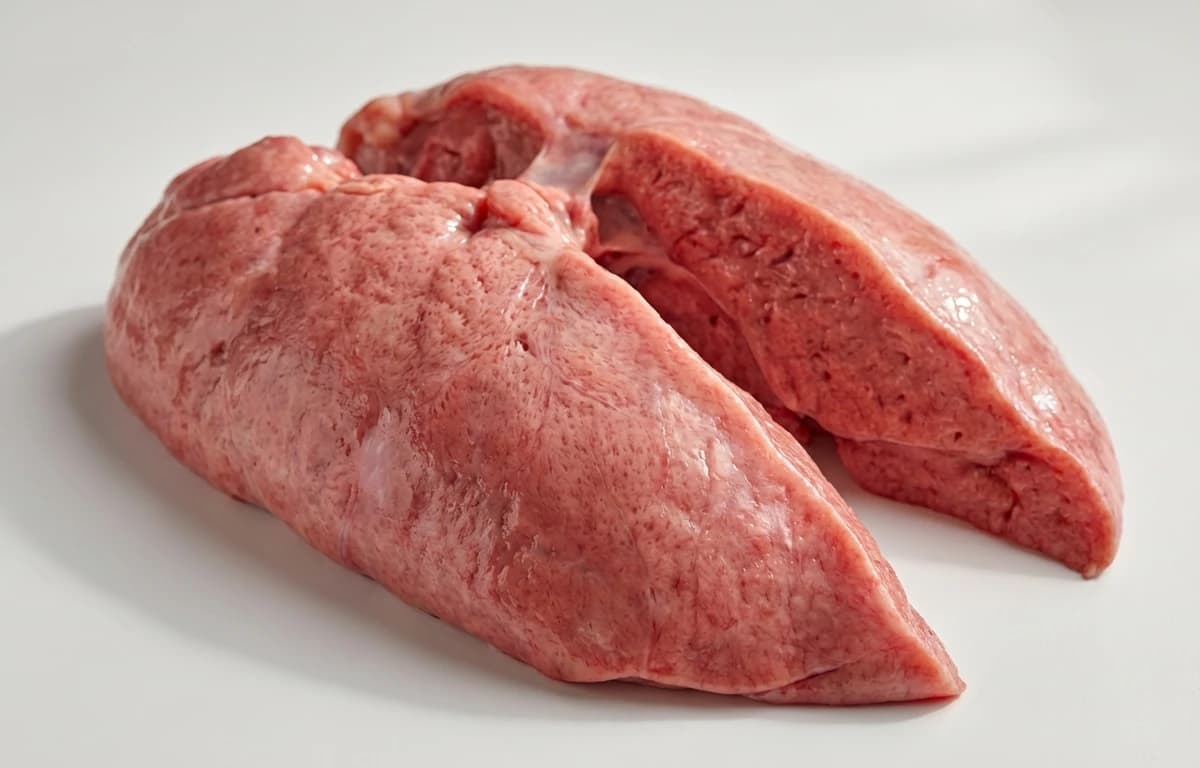
pork lungs
Also known as:
Loading...

Also known as:
Per 100g
Nutrition data source: USDA FoodData Central
Common measurement equivalents in grams
Yes, pork lung is a nutrient-dense organ meat. It's an excellent source of high-quality protein, essential for muscle health, and rich in heme iron, which helps prevent anemia. It also provides significant amounts of Vitamin B12, Vitamin C, phosphorus, and selenium, supporting overall health and immune function.
Per 100g, pork lungs are quite lean, providing approximately 85.56 calories, 15.13g of protein, 2.74g of fat, and 0g of carbohydrates. This makes them a high-protein, low-calorie option, especially for those looking to increase protein intake without excessive fat.
Given their low-calorie and high-protein content, pork lungs can be a beneficial addition to a weight-loss diet. The protein helps promote satiety, reducing overall calorie intake, while providing essential nutrients without excess fat or carbs.
Yes, fresh, unprocessed pork lung is naturally gluten-free. However, always check ingredients if consuming processed products containing pork lung, as some marinades or additives might contain gluten.
Absolutely, pork lung is highly keto-friendly due to its zero carbohydrate content and moderate fat. It provides a significant protein boost, making it an excellent choice for those following a ketogenic diet.
Pork lungs require thorough cleaning and often parboiling to tenderize and remove impurities before further cooking. They are commonly used in stews, soups, and stir-fries, often sliced thinly and braised or simmered until very tender. Popular dishes include Filipino 'Bopis' or various Asian stir-fries.
Pork lung has a mild, slightly gamey, and earthy flavor, less intense than liver or kidney. Its texture is unique; when cooked properly, it becomes soft, spongy, and somewhat chewy, absorbing flavors from the cooking liquid well.
pork lungs is a versatile ingredient found in cuisines around the world. With 85.56 calories per 100g and 15.13 grams of protein, it's a nutritious addition to many dishes.
Explore more ingredients in the other category with complete nutrition information.
View all other →Fresh pork lungs should be stored in the coldest part of your refrigerator and used within 1-2 days. For longer storage, they can be frozen for several months. Ensure they are well-wrapped to prevent freezer burn.
No, pork lungs should never be eaten raw. Like all pork products, they must be thoroughly cooked to an internal temperature of at least 145°F (63°C) to kill any potential bacteria or parasites and ensure food safety.
While nutritious, pork lungs can be high in cholesterol, so individuals with cholesterol concerns should consume them in moderation. Additionally, sourcing from reputable suppliers is important to ensure the animal's health and proper handling.