Protein4 recipes
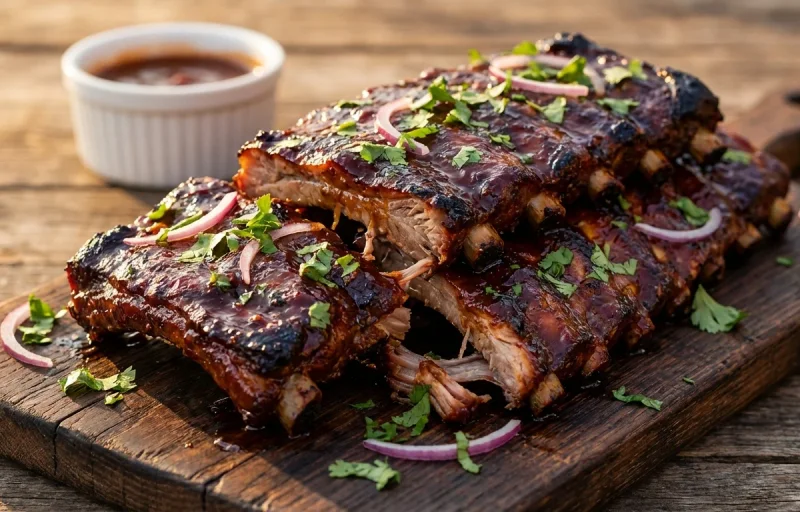
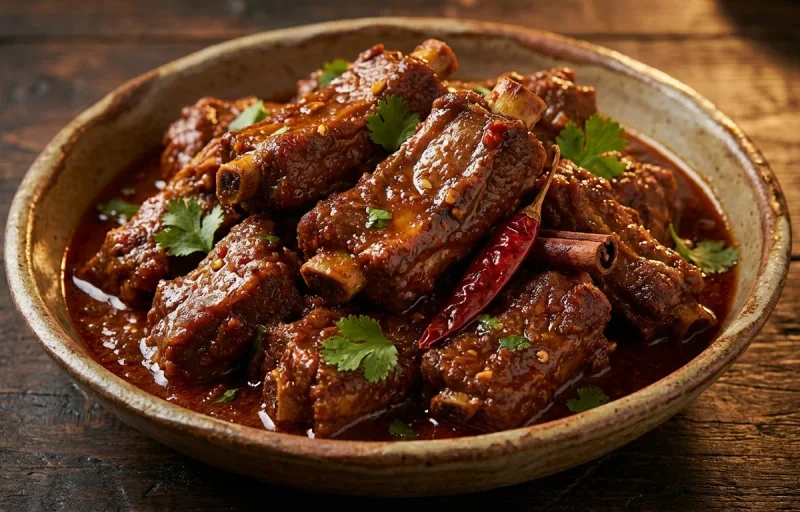
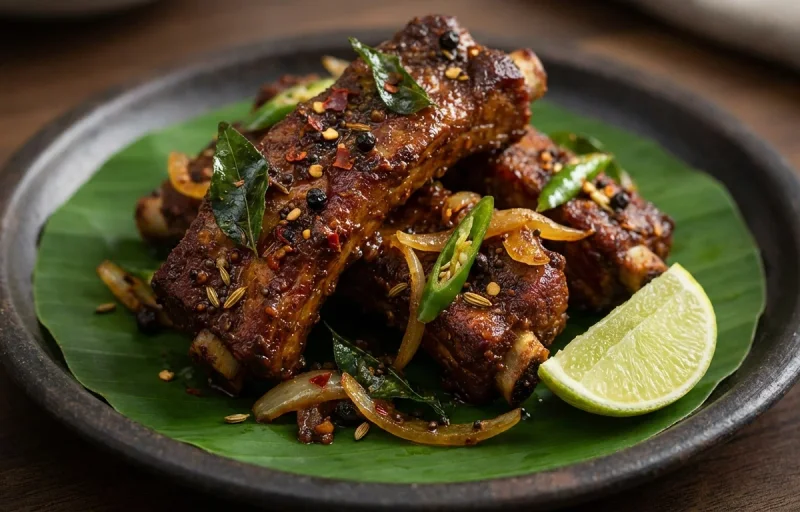
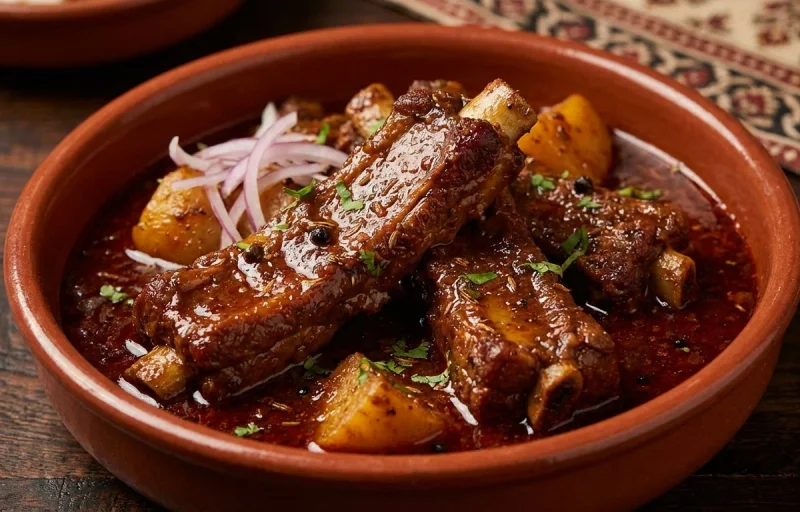
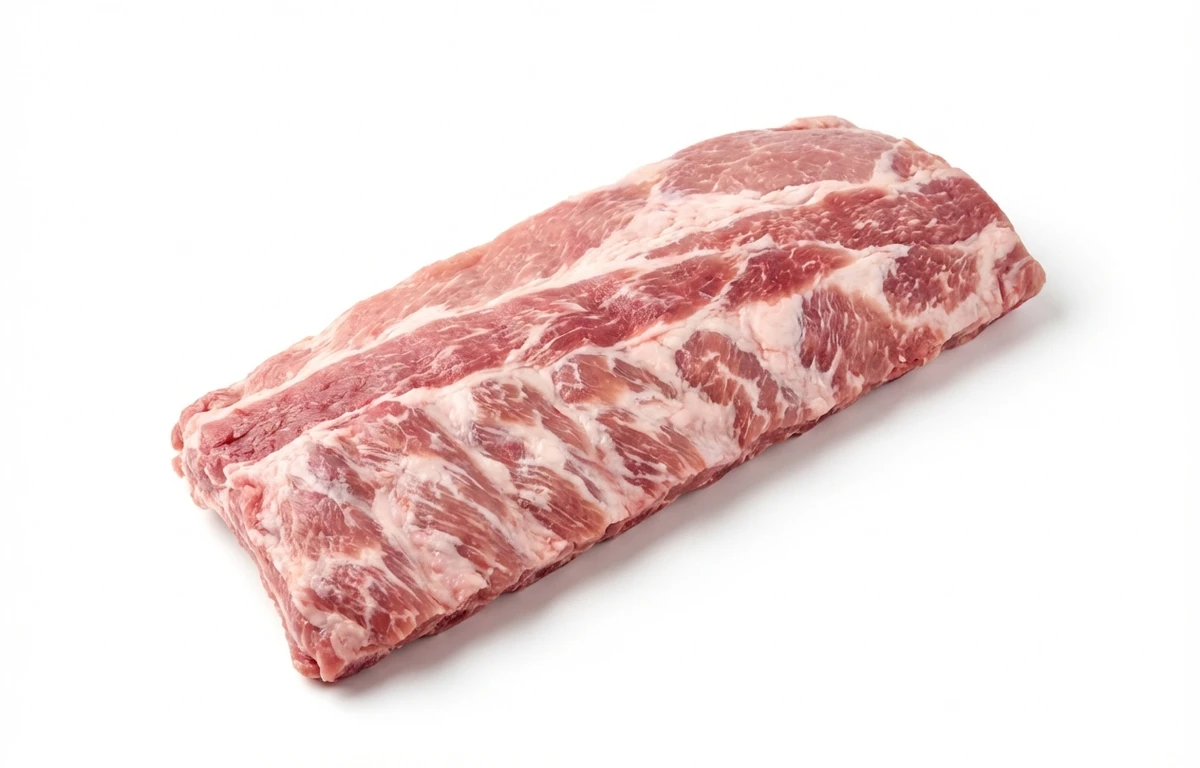
pork ribs.
VegetarianVeganGluten-freeDairy-freeNut-freePeanut-freeSoy-freeEgg-freeShellfish-freeHoney-freeAlcohol-freeHalalKosher
ALSO KNOWN AS
pork ribsraw ribsraw pork backribs
SERVING
CALORIES
290
PROTEIN
25.7g
CARBS
0g
FAT
20.3g
FIBER
0g
This ingredient is flagged as naturally gluten-free. Per 100 g, it provides 1.0 µg of vitamin K.
NUTRITION PROFILE · per 100 g
Everything in this ingredient.
MACRONUTRIENTS
Calories290kcal—
Protein25.7g51%
Carbohydrates0g0%
Fiber0g0%
Sugar0g0%
Total fat20.3g26%
Saturated fat7.4g37%
Cholesterol96mg32%
Water49.9g—
MINERALS
Sodium62mg3%
Potassium336mg7%
Calcium12mg1%
Iron1.1mg6%
Magnesium5.6mg1%
Phosphorus42.4mg3%
Zinc0.76mg7%
Copper0.03mg3%
Selenium8.0µg14%
VITAMINS
Vitamin A0µg0%
Vitamin C0mg0%
Vitamin D0.60µg3%
Vitamin E0.14mg1%
Vitamin K1.0µg1%
Thiamin (B1)0.11mg9%
Riboflavin (B2)0.09mg7%
Niacin (B3)1.9mg12%
Vitamin B60.11mg6%
Folate (B9)0.35µg0%
Vitamin B120.18µg8%
%DV based on a 2,000 cal diet. Source: USDA FoodData Central. A dash in the %DV column means there’s no established Daily Value for that nutrient.
MEASUREMENT CONVERSIONS
How much is what.
1 cup135g
1 tablespoon8.4g
1 teaspoon2.8g
1 ml0.6g
1 liter562.5g
HEALTH BENEFITS
Why eat it.
- ✓Excellent source of high-quality complete protein, essential for muscle repair, growth, and overall body function.
- ✓Rich in B vitamins, especially thiamin (B1), niacin (B3), and B12, which are crucial for energy metabolism and nervous system health.
- ✓Contains collagen, which breaks down into gelatin during slow cooking, potentially supporting joint and skin health.
COOKING TIPS
In the kitchen.
- 1For maximum tenderness, use a 'low and slow' cooking method such as smoking, braising, or baking at a low temperature (250-300°F or 120-150°C) for several hours.
- 2Always remove the tough, silvery membrane (silverskin) from the bone-side of the ribs before cooking to allow flavors to penetrate and to create a more tender texture.
- 3Apply a dry rub at least an hour (or up to overnight) before cooking to deeply flavor the meat. Apply sauces only during the last 20-30 minutes of cooking to prevent the sugars from burning.
- 4Check for doneness when the meat has pulled back from the ends of the bones and is tender enough to be easily pulled apart with a fork.
STORAGE
Keep it fresh.
- Store raw pork ribs in their original packaging in the coldest part of the refrigerator (below 40°F or 4°C) and use within 3-5 days.
- For long-term storage, wrap ribs tightly in plastic wrap and aluminum foil or place in a freezer-safe bag, and freeze at 0°F (-18°C) for up to 6 months for best quality.
- Cooked ribs should be cooled and stored in an airtight container in the refrigerator for up to 4 days.
FAQ
Frequently asked questions.
Are pork ribs healthy?
Pork ribs are an excellent source of high-quality protein, essential B vitamins (like B1, B3, B12), and minerals such as zinc, selenium, and iron, which support muscle health, energy, and immunity. However, they are also high in calories and fat, particularly saturated fat, so moderation is key for a balanced diet.
What are the nutritional values of pork ribs?
Per 100g, pork ribs typically contain around 290 calories, 25.7g of protein, 0g of carbohydrates, and 20.3g of fat. They offer a significant protein boost but also contribute a notable amount of fat to your daily intake.
Are pork ribs keto-friendly?
Yes, plain pork ribs are very keto-friendly as they contain 0g of carbohydrates per 100g and are rich in fat and protein. Be mindful of marinades, rubs, and sauces, as many can contain significant amounts of sugar, which would make them unsuitable for a strict ketogenic diet.
Are pork ribs gluten-free?
Naturally, raw pork ribs are gluten-free. However, cross-contamination can occur, and many pre-marinated or pre-seasoned ribs, as well as some BBQ sauces, may contain gluten-containing ingredients like soy sauce or wheat-based thickeners. Always check ingredient labels if you have a gluten sensitivity.
Are pork ribs halal or kosher?
No, pork ribs are neither halal nor kosher. In both Islamic (halal) and Jewish (kosher) dietary laws, pork and pork products are considered forbidden foods.
What's the best way to cook pork ribs?
Pork ribs are best cooked slowly at a low temperature to achieve tenderness. Popular methods include smoking, baking in the oven, or slow cooking, often followed by a quick grill or broil to caramelize a sauce. This allows the connective tissues to break down, resulting in fall-off-the-bone meat.
How do you know when pork ribs are fully cooked?
Pork ribs are fully cooked when they reach an internal temperature of 145°F (63°C) for safety, though many prefer to cook them to 190-203°F (88-95°C) for maximum tenderness. The meat should be very tender and pull away easily from the bone, but not necessarily fall off completely.
RECIPES
Cook with pork ribs.
4 recipes · sorted by what’s quick