
Other
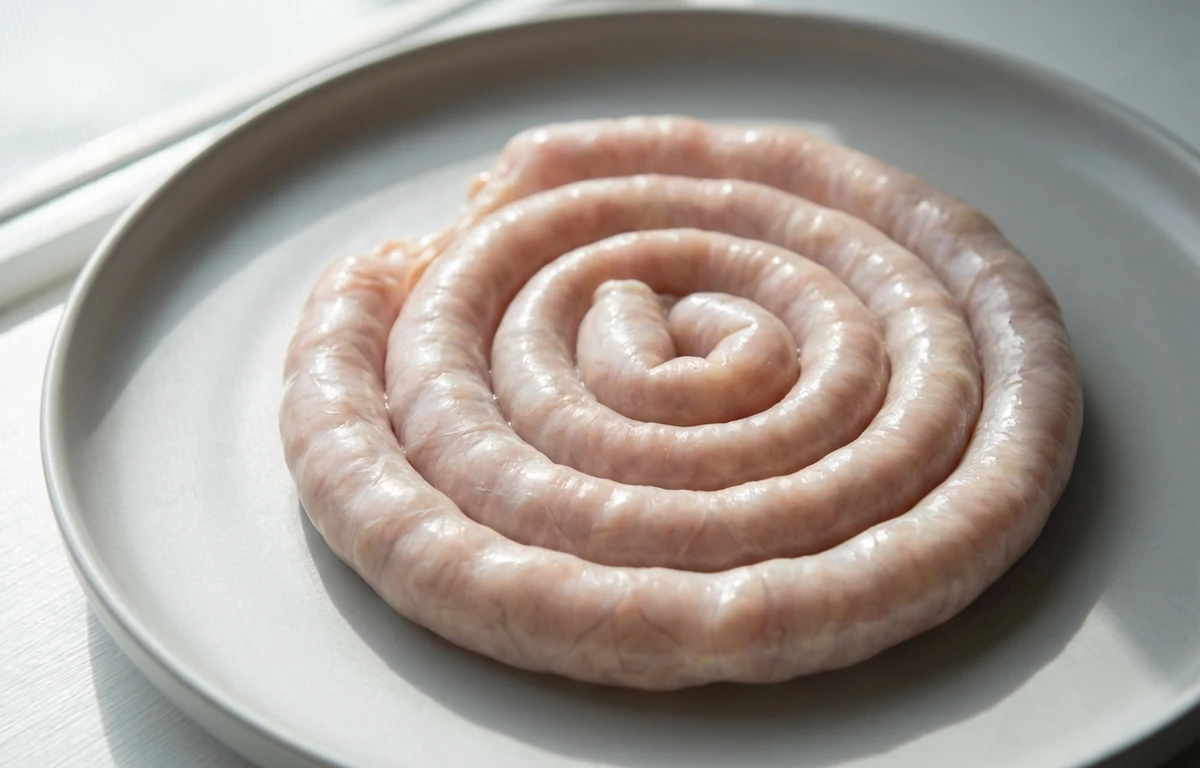
pork tube (small intestine).
VegetarianVeganGluten-freeDairy-freeNut-freePeanut-freeSoy-freeEgg-freeShellfish-freeHoney-freeAlcohol-freeHalalKosher
SERVING
CALORIES
140
PROTEIN
15g
CARBS
0g
FAT
9.0g
FIBER
0g
This ingredient is flagged as naturally gluten-free. Per 100 g, it provides 3.5 µg of vitamin K.
NUTRITION PROFILE · per 100 g
Everything in this ingredient.
MACRONUTRIENTS
Calories140kcal—
Protein15g30%
Carbohydrates0g0%
Fiber0g0%
Sugar0g0%
Total fat9.0g12%
Saturated fat4.1g21%
Trans fat0g—
Cholesterol180mg60%
Water75.4g—
MINERALS
Sodium60.2mg3%
Potassium140mg3%
Calcium16.1mg1%
Iron2.8mg16%
Magnesium9.8mg2%
Phosphorus124mg10%
Zinc1.4mg12%
Copper0.11mg12%
Manganese0.05mg2%
Selenium26.4µg48%
VITAMINS
Vitamin A1.1µg0%
Vitamin C0mg0%
Vitamin D1.0µg5%
Vitamin E0.20mg1%
Vitamin K3.5µg3%
Thiamin (B1)0.08mg7%
Riboflavin (B2)0.10mg8%
Niacin (B3)0.90mg6%
Pantothenic acid (B5)3.0mg60%
Vitamin B60.19mg11%
Biotin (B7)7.8µg26%
Folate (B9)0µg0%
%DV based on a 2,000 cal diet. Source: USDA FoodData Central. A dash in the %DV column means there’s no established Daily Value for that nutrient.
MEASUREMENT CONVERSIONS
How much is what.
1 cup150g
1 tablespoon9g
1 teaspoon3g
1 oz28.4g
1 lb453.6g
1 piece40g
HEALTH BENEFITS
Why eat it.
- ✓Rich source of complete protein, essential for muscle building and repair.
- ✓High in collagen, which supports joint health, skin elasticity, and connective tissues.
- ✓Provides a significant amount of Vitamin B12, crucial for nerve function and the formation of red blood cells.
COOKING TIPS
In the kitchen.
- 1Crucial Cleaning: Even if pre-cleaned, rinse thoroughly inside and out with cold running water. Soaking in a vinegar or salt solution can help neutralize strong odors.
- 2Tenderize by Boiling: Boil or simmer for at least 1-2 hours with aromatics like ginger, scallions, or bay leaves to tenderize the meat and reduce its gamey flavor before using in other dishes.
- 3Versatile Preparations: After boiling, the intestines can be grilled, deep-fried for a crispy texture, braised in flavorful sauces, or added to soups and stews.
- 4Pair with Bold Flavors: Its distinct taste holds up well to strong seasonings such as chili, garlic, soy sauce, star anise, and fermented bean paste.
STORAGE
Keep it fresh.
- Refrigerate fresh, cleaned intestines immediately at 40°F (4°C) or below and cook within 1-2 days.
- For longer storage, freeze in airtight, freezer-safe packaging at 0°F (-18°C) for up to 3 months.
- Store cooked intestines in a sealed container in the refrigerator and consume within 3-4 days.
FAQ
Frequently asked questions.
Is pork small intestine healthy?
Yes, pork small intestine is a nutrient-dense food, offering a rich source of complete protein, essential vitamins like B12, and minerals such as iron and zinc. It also provides collagen, beneficial for connective tissues. However, like other organ meats, it can be higher in cholesterol, so moderation is key.
What are the key nutritional benefits of pork small intestine?
Pork small intestine is an excellent source of complete protein, vital for muscle repair and growth. It's also rich in collagen, supporting joint health and skin elasticity. Furthermore, it provides significant amounts of Vitamin B12 for nerve function and red blood cell formation, along with iron and zinc for immunity and oxygen transport.
How many calories and how much protein are in pork small intestine?
Per 100g, pork small intestine contains approximately 140.3 calories and 14.96g of protein. It is also very low in carbohydrates (0g) and contains about 8.98g of fat, making it a good protein source.
Is pork small intestine keto-friendly or low-carb?
Yes, pork small intestine is naturally very low in carbohydrates, containing 0g per 100g, making it suitable for ketogenic and low-carb diets. Its protein and fat content can fit well into these dietary approaches.
Is pork small intestine gluten-free?
Yes, pork small intestine is naturally gluten-free as it is a pure meat product. When preparing it, ensure no gluten-containing ingredients are added to maintain its gluten-free status.
How do you properly clean and prepare pork small intestine for cooking?
Proper cleaning is crucial. Begin by rinsing the intestines thoroughly under cold running water, both inside and out. You may need to squeeze out any remaining contents and scrape the inner lining to remove excess fat and debris. Soaking in vinegar or lemon water for a short period can help neutralize odors.
What are common ways to cook pork small intestine?
Pork small intestine is often braised, stewed, grilled, or stir-fried after thorough cleaning and par-boiling. Popular dishes include chitterlings, menudo (though menudo typically uses beef tripe), or various Asian stir-fries and soups, where its chewy texture is prized.
What does cooked pork small intestine taste and feel like?
Cooked pork small intestine has a distinct, somewhat earthy and savory flavor, often described as rich and slightly gamey. Its texture is notably chewy and tender when properly prepared, offering a unique mouthfeel that absorbs flavors from spices and sauces well.
Is pork small intestine high in cholesterol?
Yes, like many organ meats, pork small intestine can be higher in dietary cholesterol compared to muscle meats. While dietary cholesterol's impact on blood cholesterol varies by individual, those monitoring their cholesterol intake should consume it in moderation.



















