
Vegetable3 recipes
potato starch.
VegetarianVeganGluten-freeDairy-freeNut-freePeanut-freeSoy-freeEgg-freeShellfish-freeHoney-freeAlcohol-free
ALSO KNOWN AS
aloo starch
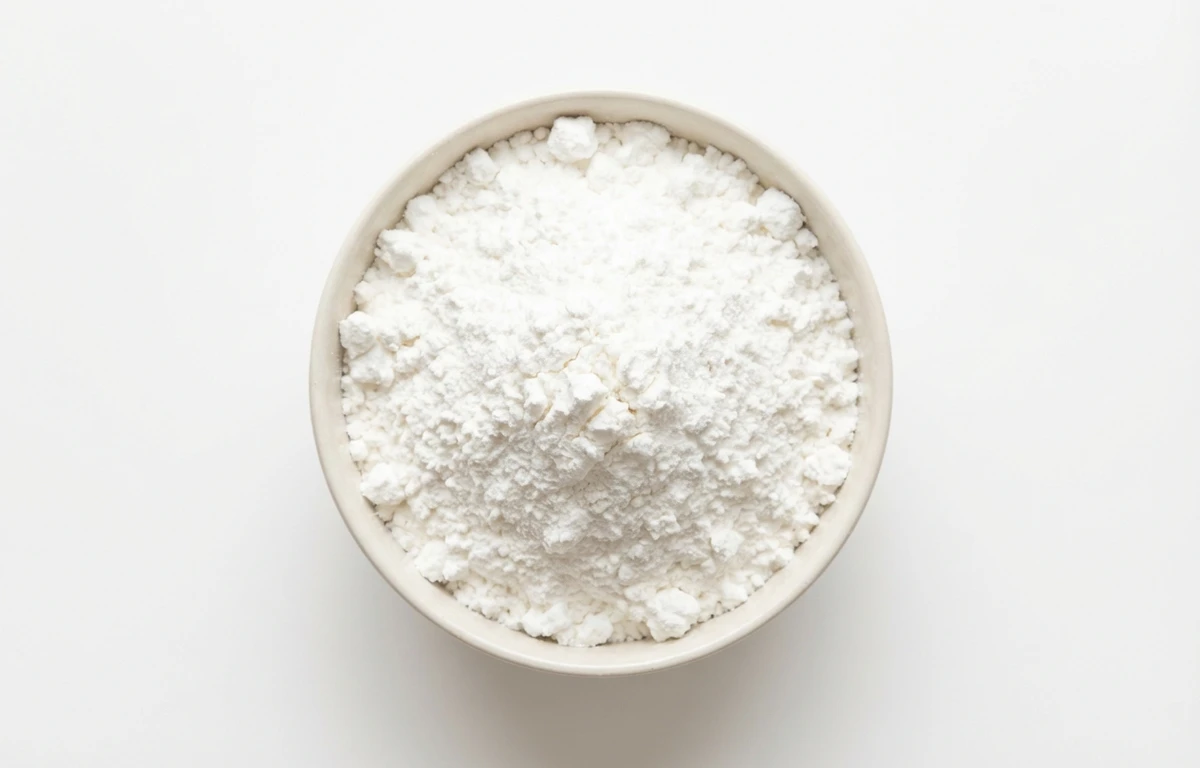
SERVING
CALORIES
357
PROTEIN
0.10g
CARBS
88g
FAT
0.10g
FIBER
0.60g
This ingredient is flagged as naturally gluten-free. Per 100 g, it provides 0 µg of vitamin K.
NUTRITION PROFILE · per 100 g
Everything in this ingredient.
MACRONUTRIENTS
Calories357kcal—
Protein0.10g0%
Carbohydrates88g32%
Fiber0.60g2%
Sugar0g0%
Total fat0.10g0%
Saturated fat0g0%
Trans fat0g—
Cholesterol0mg0%
Water10g—
MINERALS
Sodium10mg0%
Potassium10mg0%
Calcium10mg1%
Iron0.50mg3%
Magnesium1.0mg0%
Phosphorus13mg1%
Zinc0.09mg1%
Copper0.03mg3%
Manganese0.03mg1%
Selenium0.60µg1%
VITAMINS
Vitamin A0µg0%
Vitamin C0mg0%
Vitamin D0µg0%
Vitamin E0mg0%
Vitamin K0µg0%
Thiamin (B1)0mg0%
Riboflavin (B2)0mg0%
Niacin (B3)0mg0%
Pantothenic acid (B5)0mg0%
Vitamin B60mg0%
Folate (B9)0µg0%
Vitamin B120µg0%
%DV based on a 2,000 cal diet. Source: USDA FoodData Central. A dash in the %DV column means there’s no established Daily Value for that nutrient.
MEASUREMENT CONVERSIONS
How much is what.
1 cup160g
1 tablespoon10g
1 teaspoon3.5g
1 ml0.7g
1 liter666.7g
HEALTH BENEFITS
Why eat it.
- ✓Excellent gluten-free alternative for thickening sauces, soups, and in baking.
- ✓A source of resistant starch when cooked and cooled, which acts as a prebiotic to support beneficial gut bacteria.
- ✓Can be easier to digest for some individuals compared to grain-based starches.
COOKING TIPS
In the kitchen.
- 1To avoid lumps, create a slurry by mixing potato starch with a small amount of cold liquid before adding it to hot sauces or soups.
- 2It has a lower gelatinization temperature than cornstarch, so it thickens quickly. Add it towards the end of the cooking process and avoid prolonged boiling, which can cause it to thin out.
- 3Use as a coating for fried foods like chicken or tofu to achieve an exceptionally light and crispy crust.
- 4In gluten-free baking, it adds moisture and a tender, soft texture to cakes, muffins, and breads when used as part of a flour blend.
STORAGE
Keep it fresh.
- Store in an airtight container in a cool, dark, and dry place, such as a pantry or cupboard.
- Avoid exposure to moisture and heat, which can cause clumping and spoilage. It can last indefinitely if stored properly.
FAQ
Frequently asked questions.
Is potato starch healthy?
Potato starch is primarily a carbohydrate. Its main health benefit comes from its resistant starch content, especially when cooked and cooled, which acts as a prebiotic for gut health. It's also a naturally gluten-free option for thickening and baking.
What are the nutritional facts for potato starch?
Per 100g, potato starch contains approximately 357 calories, 88g of carbohydrates, 0.1g of protein, and 0.1g of fat. It is almost entirely composed of carbohydrates.
Is potato starch good for gut health?
Yes, particularly when cooked and then cooled, potato starch forms resistant starch. This type of starch acts as a prebiotic, feeding beneficial gut bacteria and supporting a healthy microbiome.
Is potato starch keto-friendly?
No, potato starch is not keto-friendly. It is almost pure carbohydrate, with 100g containing 88g of carbs, which is far too high for a ketogenic diet.
What is potato starch used for in cooking and baking?
Potato starch is primarily used as a thickening agent for sauces, gravies, soups, and pie fillings, providing a clear, glossy finish. In baking, it adds lightness and tenderness to gluten-free recipes, such as cakes, cookies, and breads.
How does potato starch differ from cornstarch?
Both are thickening agents, but potato starch generally creates a clearer, glossier finish and can withstand higher temperatures for longer without breaking down compared to cornstarch. Potato starch also has a slightly higher thickening power and is often preferred in gluten-free baking for its ability to add moisture and tenderness.
How long does potato starch last?
When stored properly, potato starch has a very long shelf life, typically lasting for 2-3 years or even longer past its "best by" date. It doesn't spoil easily, but its thickening power might slightly diminish over time.
RECIPES
Cook with potato starch.
3 recipes · sorted by what’s quick



















