
Other
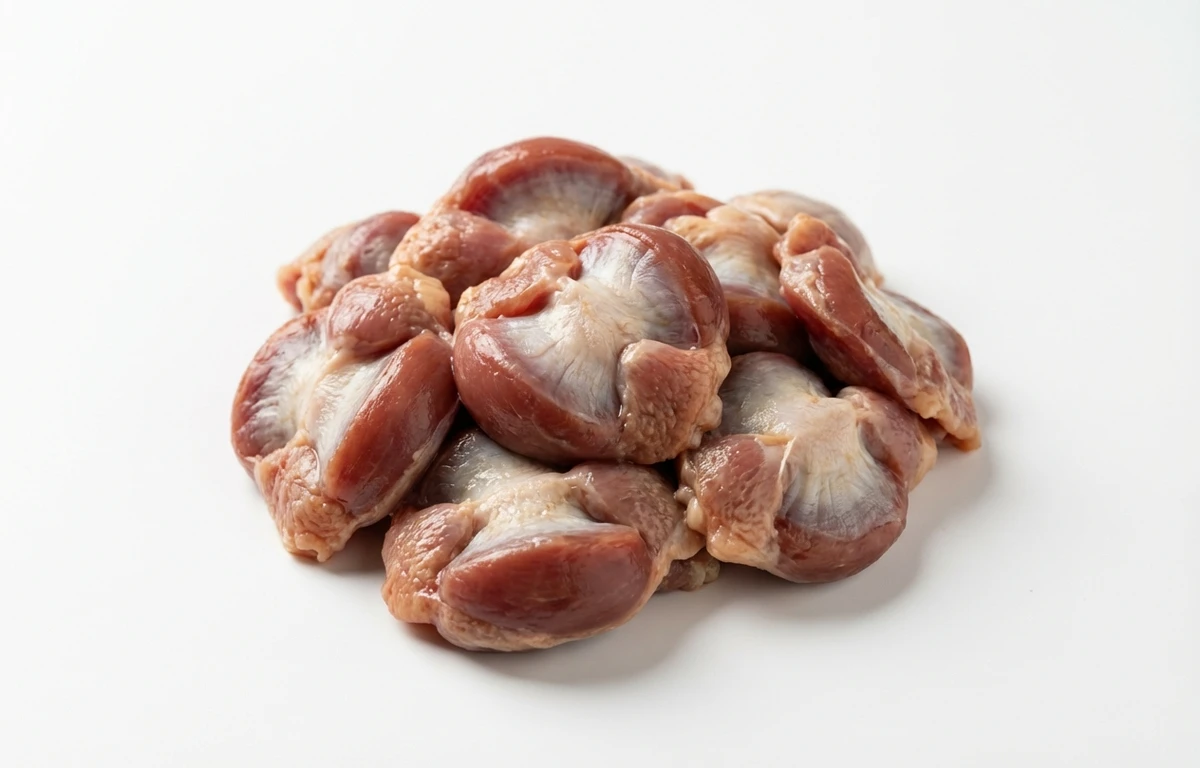
poultry chicken gizzard.
VegetarianVeganGluten-freeDairy-freeNut-freePeanut-freeSoy-freeEgg-freeShellfish-freeHoney-freeAlcohol-free
SERVING
CALORIES
92
PROTEIN
18.2g
CARBS
0g
FAT
2.1g
FIBER
0g
This ingredient is flagged as naturally gluten-free. Per 100 g, it provides 28.6 µg of vitamin K.
NUTRITION PROFILE · per 100 g
Everything in this ingredient.
MACRONUTRIENTS
Calories92.3kcal—
Protein18.2g36%
Carbohydrates0g0%
Fiber0g0%
Sugar0g0%
Total fat2.1g3%
Saturated fat0.77g4%
Trans fat0g—
Cholesterol57.2mg19%
Water78g—
MINERALS
Sodium50.6mg2%
Potassium244mg5%
Calcium5.5mg0%
Iron3.2mg18%
Magnesium14mg3%
Phosphorus119mg10%
Zinc2.6mg24%
Copper0.20mg22%
Manganese0.03mg1%
Selenium54.7µg99%
VITAMINS
Vitamin A46.8µg5%
Vitamin C0mg0%
Vitamin D1.6µg8%
Vitamin E0.63mg4%
Vitamin K28.6µg24%
Thiamin (B1)0.01mg1%
Riboflavin (B2)0.11mg8%
Niacin (B3)2.9mg18%
Pantothenic acid (B5)0.70mg14%
Vitamin B60.14mg8%
Biotin (B7)5.1µg17%
Folate (B9)8.7µg2%
%DV based on a 2,000 cal diet. Source: USDA FoodData Central. A dash in the %DV column means there’s no established Daily Value for that nutrient.
MEASUREMENT CONVERSIONS
How much is what.
1 oz28.4g
1 lb453.6g
1 piece35g
HEALTH BENEFITS
Why eat it.
- ✓Excellent source of high-quality protein, essential for muscle repair and growth.
- ✓Rich in Vitamin B12, which supports nerve function and the formation of red blood cells.
- ✓Relatively low in fat compared to other cuts of meat, making it a lean protein option.
COOKING TIPS
In the kitchen.
- 1Thoroughly clean gizzards before cooking by removing any grit and peeling off the tough, yellowish inner membrane.
- 2Due to their tough, muscular texture, gizzards benefit from slow, moist-heat cooking methods like simmering, braising, or pressure cooking to become tender.
- 3After tenderizing by boiling, they can be sliced, battered, and fried for a crispy texture.
- 4Gizzards have a rich, deep flavor that pairs well with strong aromatics like garlic, onions, bay leaves, and spices.
STORAGE
Keep it fresh.
- Store raw gizzards in the coldest part of the refrigerator (below 40°F or 4°C) and cook within 1-2 days.
- For longer storage, freeze in an airtight container or heavy-duty freezer bag for up to 3-4 months.
FAQ
Frequently asked questions.
Is chicken gizzard healthy?
Yes, chicken gizzard is very healthy. It's an excellent source of high-quality protein, essential for muscle repair and growth. It's also rich in Vitamin B12, iron, zinc, and selenium, all vital for various bodily functions, while being relatively low in fat.
How much protein is in chicken gizzard?
100g of chicken gizzard contains approximately 18.22g of protein. This makes it a highly protein-dense food, comparable to other lean meats, and an excellent choice for meeting daily protein requirements.
Is chicken gizzard gluten-free?
Yes, raw chicken gizzard is naturally gluten-free. As a single-ingredient meat product, it contains no gluten. However, always check ingredients if purchasing pre-marinated or processed gizzard products to ensure no gluten-containing additives have been used.
Is chicken gizzard keto-friendly?
Absolutely, chicken gizzard is very keto-friendly. It contains 0g of carbohydrates per 100g, making it an ideal protein source for a ketogenic diet. Its high protein and low-fat profile (compared to some other meats) fit well within keto macros.
What does chicken gizzard taste like and what is its texture?
Chicken gizzard has a rich, slightly gamey, and savory flavor, often described as more intense than regular chicken breast. Its texture is notably firm, chewy, and muscular, which softens significantly when cooked properly, often becoming tender and succulent.
What are the best ways to cook chicken gizzards?
Chicken gizzards benefit from slow cooking methods like braising, stewing, or simmering to tenderize their firm texture. They can also be fried until crispy after being boiled or pressure-cooked. Popular preparations include gizzard adobo, fried gizzards, or adding them to soups and gravies.
How do I know if chicken gizzards are fresh or spoiled?
Fresh chicken gizzards should have a reddish-purple color and a mild, slightly metallic scent. Avoid gizzards that have a slimy texture, a dull or grayish color, or a strong, sour, or off-putting odor, as these are signs of spoilage.
Are chicken gizzards considered organ meat, and what does that mean nutritionally?
Yes, chicken gizzards are considered a type of offal or organ meat. This means they are often more nutrient-dense than muscle meat, providing higher concentrations of vitamins and minerals like Vitamin B12, iron, zinc, and selenium, making them a nutritional powerhouse.



















