
Other
pre-baked pizza crust.
VegetarianVeganGluten-freeDairy-freeNut-freePeanut-freeSoy-freeEgg-freeShellfish-freeHoney-freeAlcohol-freeFermented
ALSO KNOWN AS
pizza basepizza crustready made pizza crust
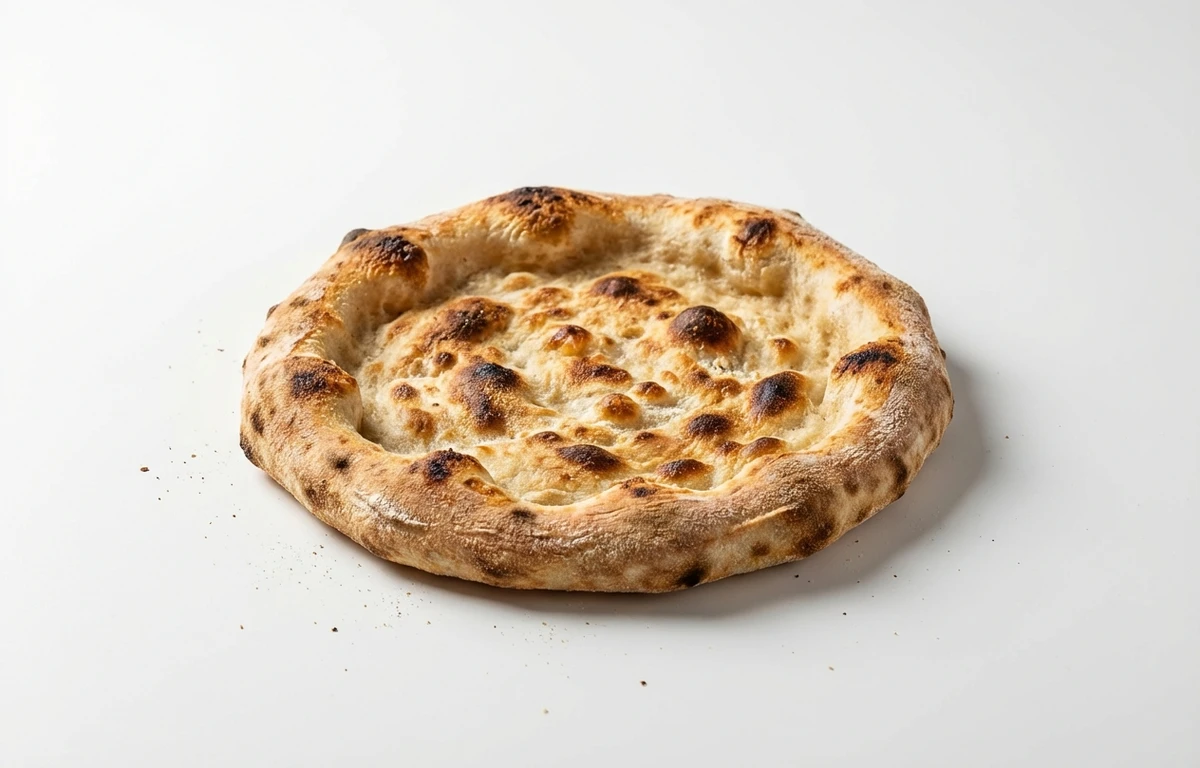
SERVING
CALORIES
220
PROTEIN
8.0g
CARBS
40g
FAT
4.0g
FIBER
3.0g
Per 100 g, it provides 1.9 µg of vitamin K.
NUTRITION PROFILE · per 100 g
Everything in this ingredient.
MACRONUTRIENTS
Calories220kcal—
Protein8.0g16%
Carbohydrates40g15%
Fiber3.0g11%
Sugar2.0g4%
Total fat4.0g5%
Saturated fat1.0g5%
Trans fat0g—
Cholesterol0mg0%
Water35g—
MINERALS
Sodium400mg17%
Potassium119mg3%
Calcium95mg7%
Iron3.0mg17%
Magnesium25mg6%
Phosphorus115mg9%
Zinc1.1mg10%
Copper0.10mg11%
Manganese0.40mg17%
Selenium2.5µg5%
VITAMINS
Vitamin A3.0µg0%
Vitamin E0.10mg1%
Vitamin K1.9µg2%
Thiamin (B1)0.10mg8%
Riboflavin (B2)0.10mg8%
Niacin (B3)1.6mg10%
Pantothenic acid (B5)0.60mg12%
Vitamin B60.16mg9%
Folate (B9)20µg5%
Vitamin B120µg0%
%DV based on a 2,000 cal diet. Source: USDA FoodData Central. A dash in the %DV column means there’s no established Daily Value for that nutrient.
MEASUREMENT CONVERSIONS
How much is what.
1 piece220g
HEALTH BENEFITS
Why eat it.
- ✓Provides a quick source of carbohydrates for energy.
- ✓Serves as a convenient base for incorporating nutrient-dense toppings like vegetables and lean proteins.
- ✓Can be a vehicle for calcium and protein when topped with cheese.
COOKING TIPS
In the kitchen.
- 1For a crispier crust, brush lightly with olive oil before adding toppings and baking.
- 2Bake directly on an oven rack or a preheated pizza stone for better heat circulation and a less soggy bottom.
- 3Par-bake the crust for 3-5 minutes before adding wet toppings like sauce to prevent it from becoming soggy.
- 4Dock the crust with a fork before baking to prevent large air bubbles from forming.
STORAGE
Keep it fresh.
- Store unopened shelf-stable crusts in a cool, dry pantry until the expiration date.
- Once opened, or for refrigerated types, keep sealed in the refrigerator for up to 5-7 days.
- For long-term storage, wrap tightly in plastic wrap and foil and freeze for up to 3 months.
FAQ
Frequently asked questions.
Is pre-baked pizza crust healthy?
Pre-baked pizza crusts provide a quick source of carbohydrates for energy. While not inherently a 'health food,' they serve as a convenient base to build a nutritious meal by adding plenty of vegetables, lean proteins, and moderate amounts of cheese. Opting for whole-wheat varieties can also increase dietary fiber.
How many calories and carbohydrates are in pre-baked pizza crust?
A typical 100g serving of pre-baked pizza crust contains approximately 220 calories and 40g of carbohydrates. It also provides about 8g of protein and 4g of fat. These values can vary slightly by brand and crust thickness.
Is pre-baked pizza crust vegan?
Many standard pre-baked pizza crusts are not vegan, as they often contain dairy (like whey or milk powder) or eggs. However, there are numerous brands that specifically offer vegan-friendly crusts made without animal products. Always check the ingredient list to confirm.
How do you prepare a pizza using a pre-baked crust?
Preparing a pizza with a pre-baked crust is simple: just add your desired sauce, toppings, and cheese directly onto the crust. Then, bake it in a preheated oven, typically at 400-425°F (200-220°C), for 8-15 minutes, or until the cheese is melted and bubbly and the crust is golden brown.
What are some good topping ideas for a pre-baked pizza crust?
For a nutritious and delicious pizza, consider toppings like fresh vegetables (bell peppers, mushrooms, onions, spinach), lean proteins (grilled chicken, turkey pepperoni, tofu), and a moderate amount of low-fat mozzarella or plant-based cheese. Herbs like basil and oregano add great flavor without extra calories.
How should I store pre-baked pizza crusts?
Unopened pre-baked pizza crusts can typically be stored in a cool, dry pantry until their 'best by' date. Once opened, or if the crust is fresh/refrigerated, store it tightly sealed in the refrigerator for a few days. For longer storage, many pre-baked crusts can be frozen for several months.
How long does pre-baked pizza crust last?
The shelf life of pre-baked pizza crusts varies by type and packaging. Shelf-stable crusts can last for months unopened in the pantry. Refrigerated crusts usually last 1-2 weeks unopened. Once opened, any type should be used within 2-3 days, or frozen for up to 3-6 months for best quality.



















