meat1 recipes
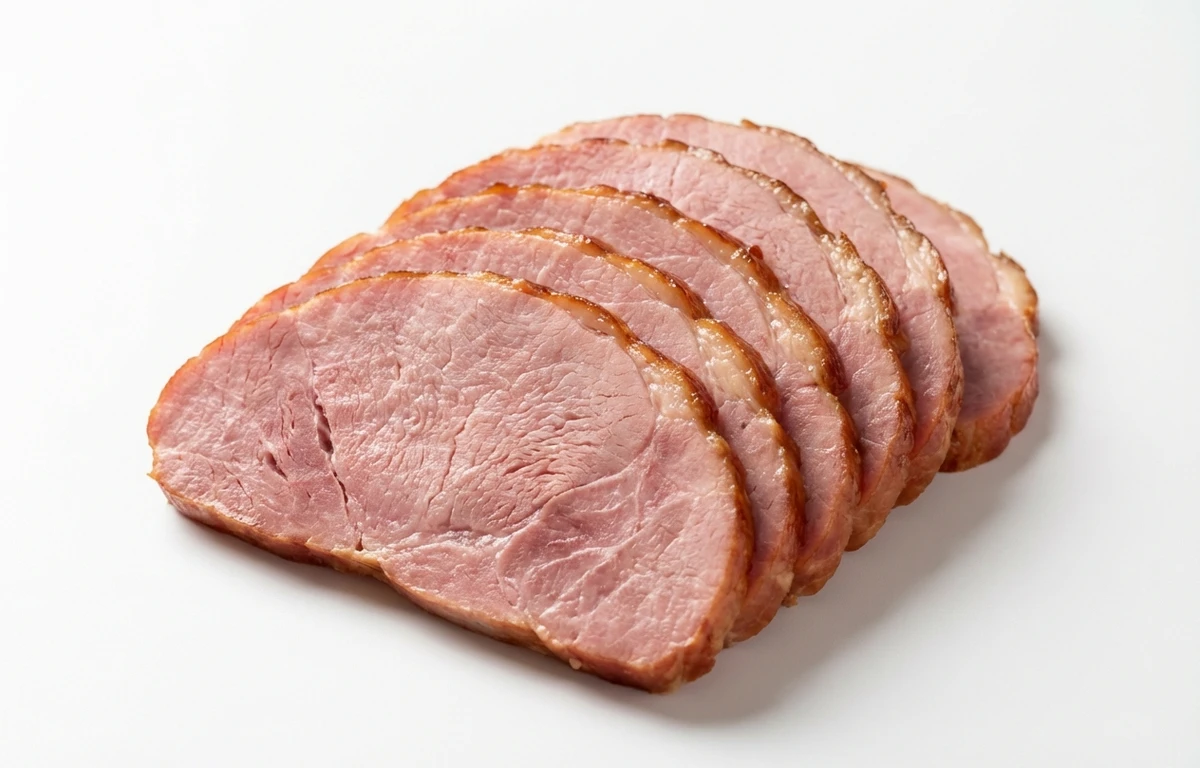
Pre-cooked Boneless Ham.
VegetarianVeganGluten-freeDairy-freeNut-freePeanut-freeSoy-freeEgg-freeShellfish-freeHoney-freeAlcohol-free
SERVING
CALORIES
150
PROTEIN
18.5g
CARBS
1.5g
FAT
7.5g
FIBER
0g
NUTRITION PROFILE · per 100 g
Everything in this ingredient.
MACRONUTRIENTS
Calories150kcal—
Protein18.5g37%
Carbohydrates1.5g1%
Fiber0g0%
Sugar1.5g3%
Total fat7.5g10%
Saturated fat2.5g13%
Cholesterol55mg18%
Water68g—
MINERALS
Sodium1100mg48%
Potassium280mg6%
Calcium12mg1%
Iron1.0mg6%
Magnesium22mg5%
Phosphorus230mg18%
Zinc1.8mg16%
Copper0.08mg9%
Manganese0.01mg0%
Selenium35µg64%
VITAMINS
Vitamin A0µg0%
Vitamin C0mg0%
Vitamin D0.20µg1%
Vitamin E0.10mg1%
Vitamin K0.50µg0%
Thiamin (B1)0.60mg50%
Riboflavin (B2)0.25mg19%
Niacin (B3)4.5mg28%
Pantothenic acid (B5)0.50mg10%
Vitamin B60.35mg21%
Folate (B9)5.0µg1%
Vitamin B120.60µg25%
%DV based on a 2,000 cal diet. Source: USDA FoodData Central. A dash in the %DV column means there’s no established Daily Value for that nutrient.
MEASUREMENT CONVERSIONS
How much is what.
1 oz28.4g
1 lb453.6g
HEALTH BENEFITS
Why eat it.
- ✓Excellent source of high-quality protein
- ✓Rich in B vitamins, particularly Thiamine (B1)
- ✓Good source of essential minerals like selenium and zinc
- ✓Provides phosphorus, important for bone health
- ✓Convenient and versatile protein source
COOKING TIPS
In the kitchen.
- 1Can be eaten cold in sandwiches or salads as it's pre-cooked.
- 2To serve warm, gently reheat in the oven or microwave until heated through.
- 3Dice and add to omelets, quiches, pasta dishes, or soups for added flavor and protein.
STORAGE
Keep it fresh.
- Keep refrigerated at or below 4°C (40°F) and consume within 3-5 days after opening.
- For longer storage, freeze in airtight packaging for up to 3-4 months.
- Always check the 'use by' or 'best before' date on the packaging.
FAQ
Frequently asked questions.
Is pre-cooked boneless ham healthy?
Pre-cooked boneless ham is an excellent source of high-quality protein and essential nutrients like B vitamins, selenium, and zinc. However, it is often high in sodium and may contain nitrates, so it is best enjoyed in moderation as part of a balanced diet.
How much protein is in pre-cooked boneless ham?
A 100g serving of pre-cooked boneless ham contains approximately 18.5g of protein. This high protein content supports muscle maintenance and helps keep you feeling full.
Is pre-cooked boneless ham keto-friendly?
Yes, it is generally keto-friendly as it contains only about 1.5g of carbohydrates per 100g. However, you should check the label for added sugars or honey glazes, which can increase the carb count significantly.
Do I need to cook pre-cooked boneless ham?
No, pre-cooked ham is fully cooked and safe to eat cold right out of the package. Most people prefer to reheat it to enhance the flavor and texture, but it is not a safety requirement.
How do I reheat pre-cooked boneless ham without drying it out?
To maintain moisture, wrap the ham in foil or place it in a covered baking dish with a splash of water or broth. Reheat it in the oven at a low temperature, around 325°F (160°C), until it reaches an internal temperature of 140°F.
Is pre-cooked boneless ham gluten-free?
While ham itself is naturally gluten-free, some pre-cooked varieties use glazes or flavorings that contain wheat-derived ingredients. Always check the ingredient list or look for a certified gluten-free label to be certain.
How long does pre-cooked boneless ham last in the refrigerator?
Once the original packaging is opened, pre-cooked ham should be consumed within 3 to 5 days. If the package remains vacuum-sealed, it can typically last until the manufacturer's 'use-by' date.
Can I freeze pre-cooked boneless ham?
Yes, you can freeze pre-cooked ham for 1 to 2 months for optimal quality. To prevent freezer burn, wrap it tightly in plastic wrap and then a layer of aluminum foil, or use a vacuum-sealed bag.
Is pre-cooked boneless ham high in sodium?
Yes, because ham is a cured meat, it typically contains high levels of sodium used for preservation and flavor. If you are on a low-sodium diet, look for 'reduced-sodium' versions and monitor your portion sizes.
What are the main vitamins and minerals in pre-cooked boneless ham?
It is particularly rich in Thiamine (Vitamin B1), which is essential for energy metabolism. It also provides significant amounts of phosphorus for bone health, as well as selenium and zinc for immune support.
RECIPES
Cook with pre-cooked boneless ham.
1 recipes · sorted by what’s quick
SAME CATEGORY
Other meat.
black bear meat
boiled beef heart
boiled beef kidney
braised beef brisket navel end lean
braised beef brisket point end lean
braised cooked lamb lungs
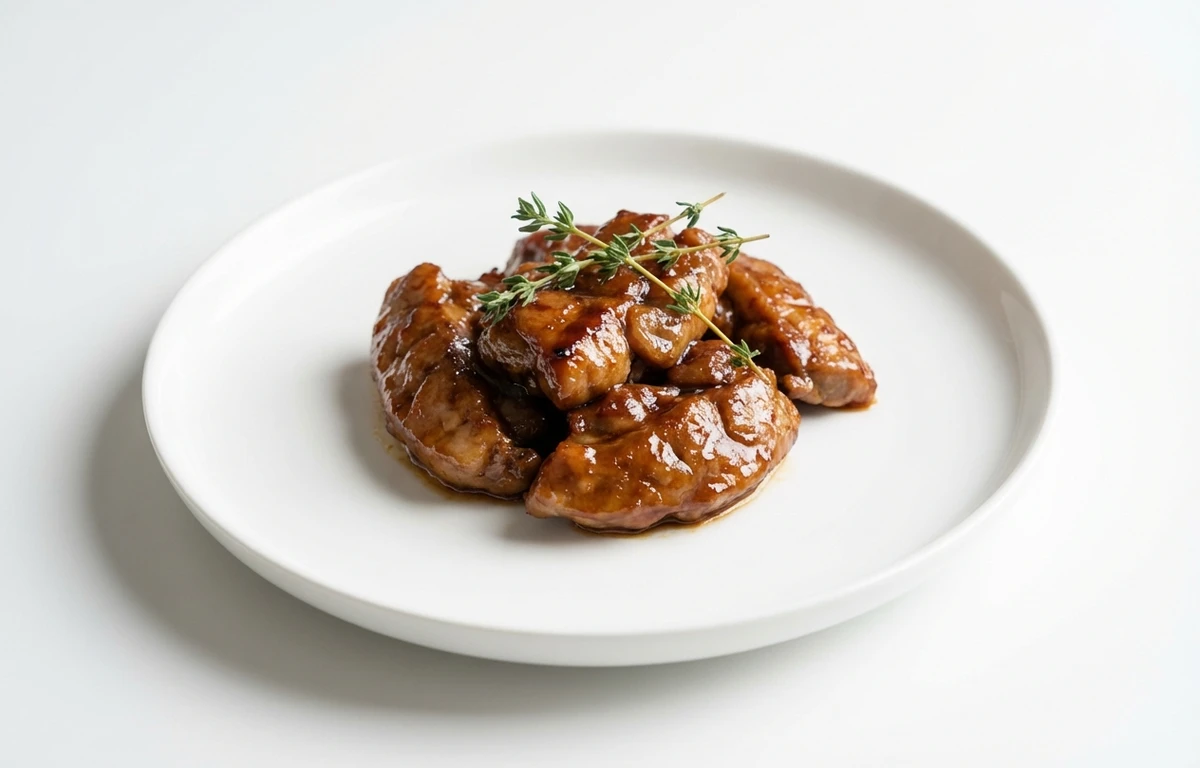
braised cooked lamb pancreas
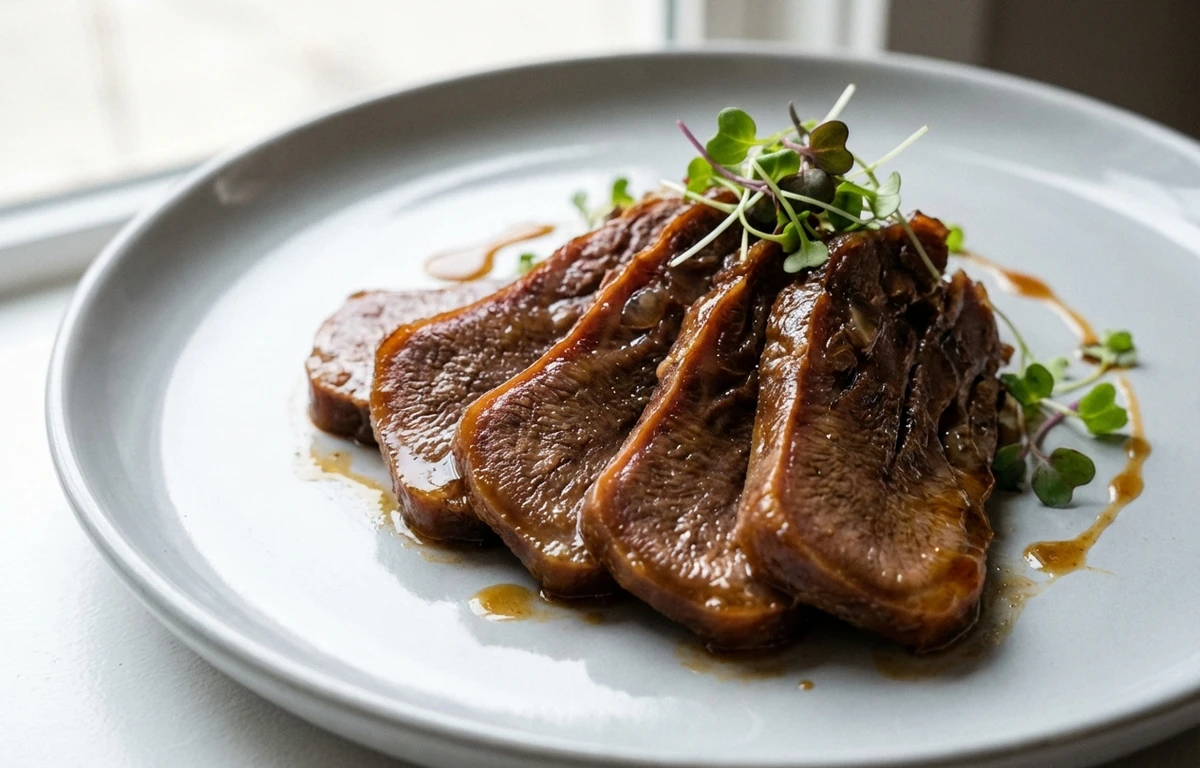
braised cooked lamb tongue
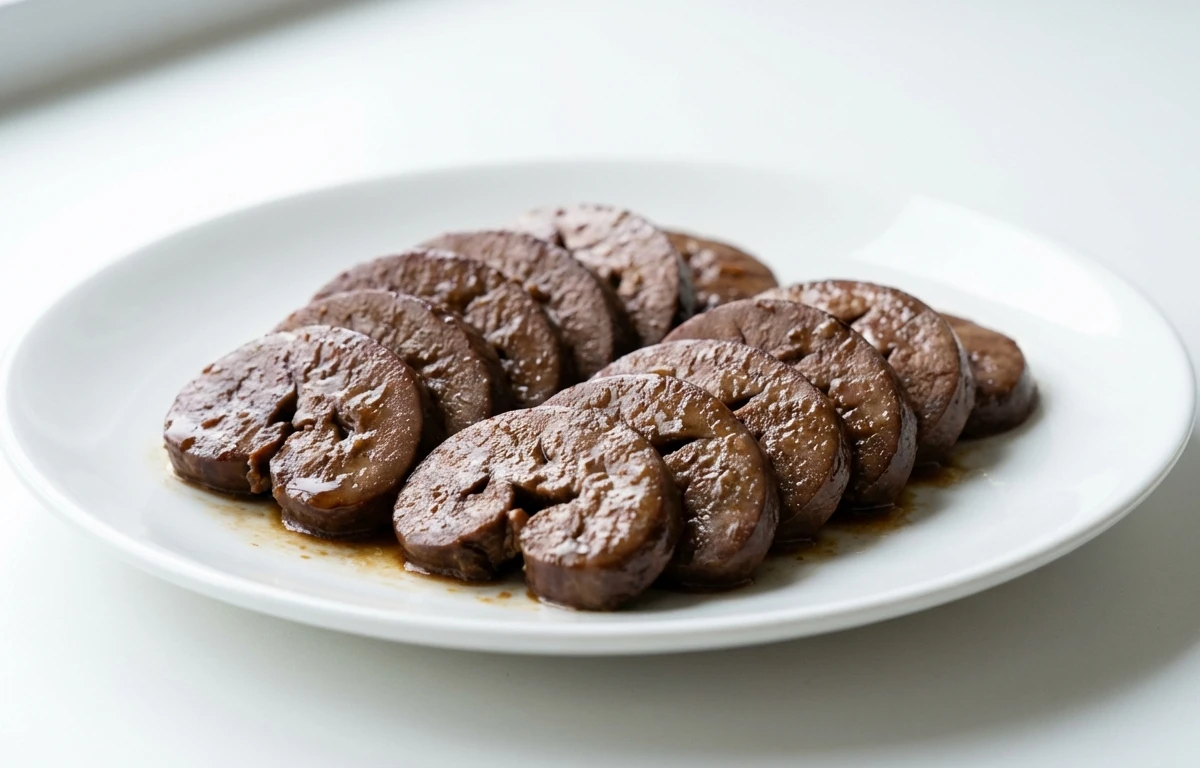
braised cooked pork kidneys
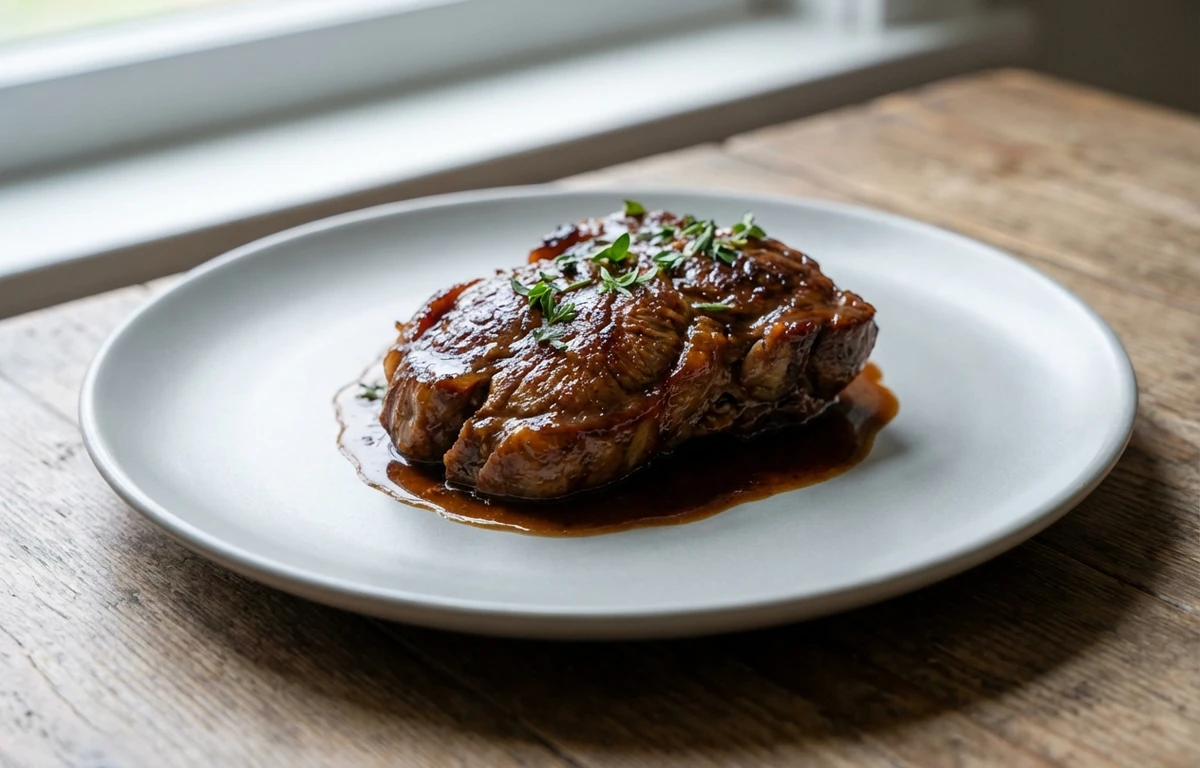
braised cooked veal thymus
braised cooked veal tongue
braised select bottom round beef steak