
Other
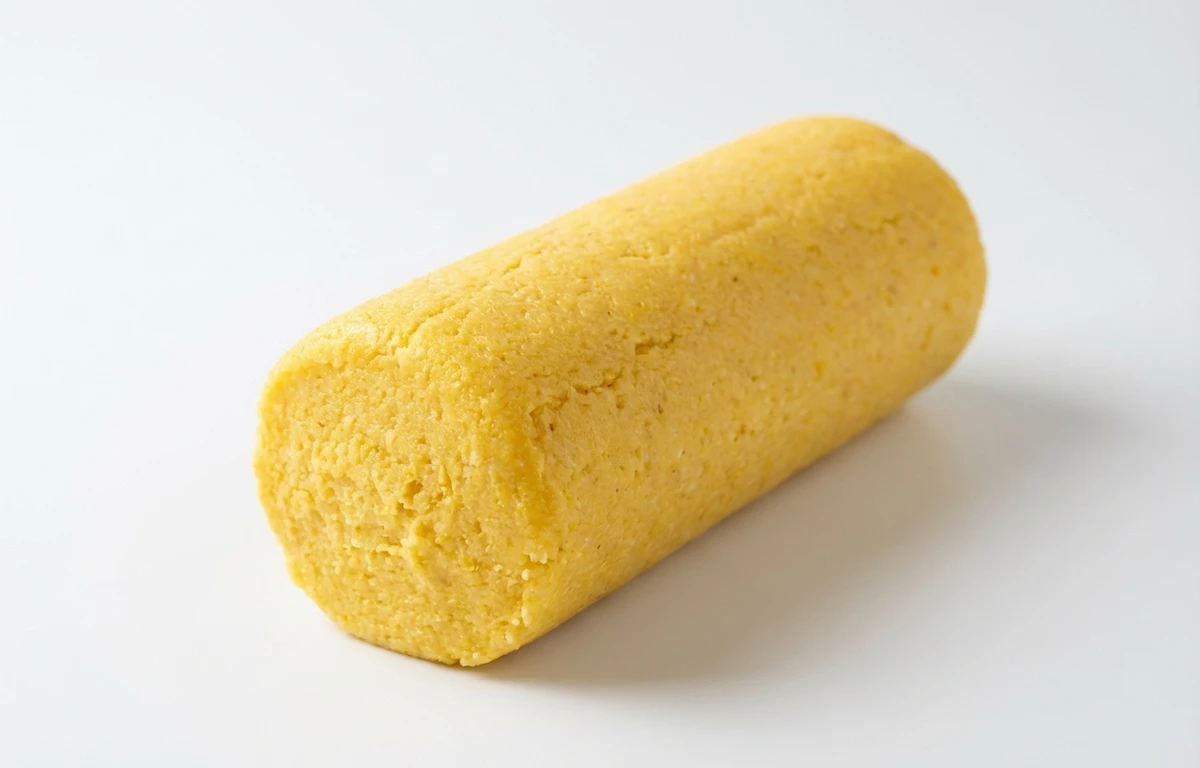
pre-cooked polenta.
VegetarianVeganGluten-freeDairy-freeNut-freePeanut-freeSoy-freeEgg-freeShellfish-freeHoney-freeAlcohol-free
ALSO KNOWN AS
ready to eat polenta
SERVING
CALORIES
70
PROTEIN
2.0g
CARBS
15g
FAT
0g
FIBER
1.5g
This ingredient is flagged as naturally gluten-free. Per 100 g, it provides 0.10 µg of vitamin K.
NUTRITION PROFILE · per 100 g
Everything in this ingredient.
MACRONUTRIENTS
Calories70kcal—
Protein2.0g4%
Carbohydrates15g5%
Fiber1.5g5%
Sugar0g0%
Total fat0g0%
Saturated fat0g0%
Trans fat0g—
Cholesterol0mg0%
Water82g—
MINERALS
Sodium280mg12%
Potassium35mg1%
Calcium4.0mg0%
Iron0.50mg3%
Magnesium12mg3%
Phosphorus25mg2%
Zinc0.20mg2%
Copper0.03mg3%
Manganese0.05mg2%
Selenium0.50µg1%
VITAMINS
Vitamin A0µg0%
Vitamin C0mg0%
Vitamin D0µg0%
Vitamin E0mg0%
Vitamin K0.10µg0%
Thiamin (B1)0.02mg2%
Riboflavin (B2)0.01mg1%
Niacin (B3)0.30mg2%
Pantothenic acid (B5)0.10mg2%
Vitamin B60.05mg3%
Folate (B9)5.0µg1%
Vitamin B120µg0%
%DV based on a 2,000 cal diet. Source: USDA FoodData Central. A dash in the %DV column means there’s no established Daily Value for that nutrient.
MEASUREMENT CONVERSIONS
How much is what.
1 cup210g
1 oz28.4g
1 lb453.6g
HEALTH BENEFITS
Why eat it.
- ✓Provides complex carbohydrates for sustained energy release.
- ✓A source of dietary fiber, which aids in digestion and promotes a feeling of fullness.
COOKING TIPS
In the kitchen.
- 1Slice into rounds or squares and pan-fry, grill, or bake until golden and crispy on the outside. This is great for making polenta 'fries' or a base for toppings.
- 2For a creamy consistency, cube the polenta and heat it in a saucepan with broth, milk, or water, mashing until smooth.
- 3Crumble the polenta and sauté it with herbs and spices to use as a textured, plant-based alternative in dishes like tacos or bolognese sauce.
- 4Use slices as a gluten-free alternative to bread for bruschetta or as a base for layered dishes like lasagna.
STORAGE
Keep it fresh.
- Store unopened packages in a cool, dry pantry at room temperature until the expiration date.
- Once opened, wrap the remaining polenta tightly in plastic wrap or place it in an airtight container and refrigerate for up to 5-7 days.
FAQ
Frequently asked questions.
How many calories and carbohydrates are in pre-cooked polenta?
Per 100g, pre-cooked polenta contains approximately 70 calories and 15g of carbohydrates. It also provides 2g of protein and is virtually fat-free.
How do you prepare pre-cooked polenta?
Pre-cooked polenta, often sold in a tube, is very easy to prepare. You can slice it into rounds and pan-fry, grill, bake, or microwave until heated through and slightly crispy. It can also be cubed and added to stews or sauces.
What does pre-cooked polenta taste like?
Pre-cooked polenta has a mild, slightly sweet corn flavor. Its texture is firm when cold, but becomes creamy and soft when heated, especially if simmered with liquid. When pan-fried or grilled, it develops a pleasant crispy exterior.
How should I store pre-cooked polenta?
Unopened pre-cooked polenta in a tube should be stored in a cool, dry pantry. Once opened, wrap any unused portion tightly in plastic wrap or place it in an airtight container and refrigerate. Consume within 3-5 days of opening.
Can pre-cooked polenta be frozen?
Yes, pre-cooked polenta can be frozen. Slice it into desired portions, wrap them individually, and place them in a freezer-safe bag or container. It can be frozen for up to 2-3 months and reheated directly from frozen or thawed.
Is pre-cooked polenta suitable for a low-carb or keto diet?
No, pre-cooked polenta is not suitable for a low-carb or ketogenic diet. With 15g of carbohydrates per 100g, it is too high in carbs to fit within the strict carbohydrate limits typically required for these diets.



















