
Dairy
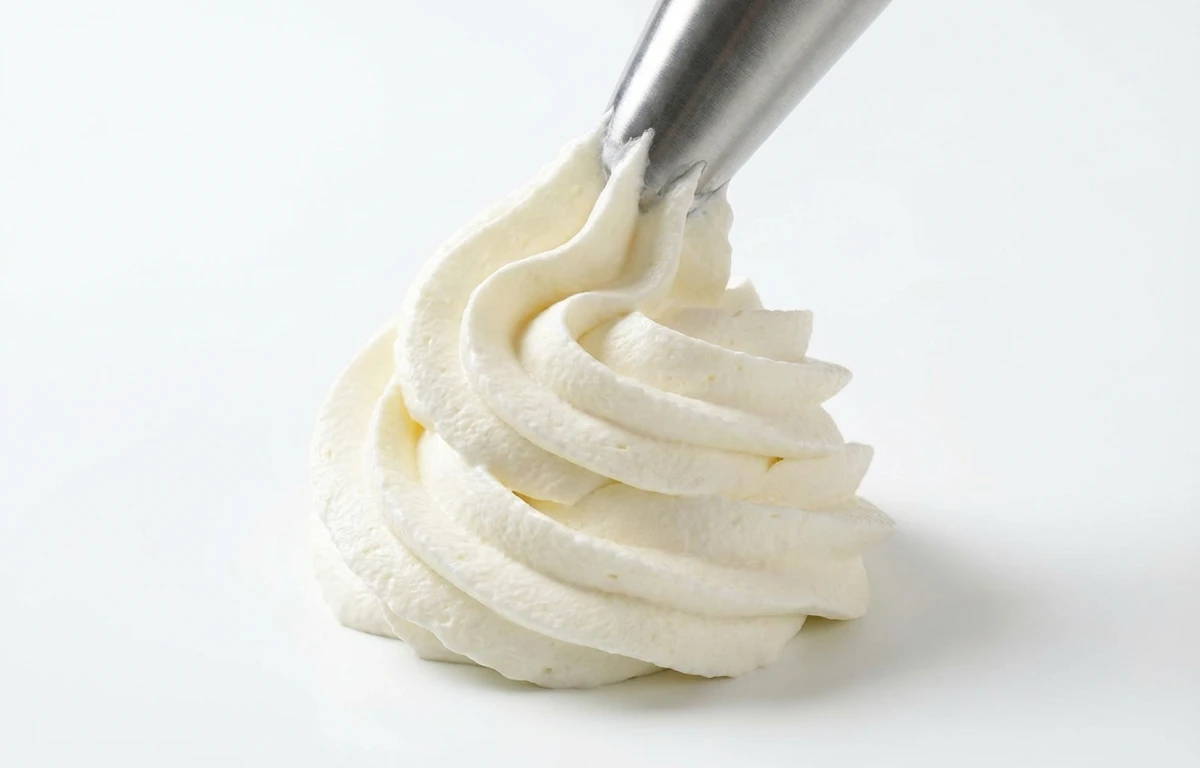
pressurized whipped cream topping.
VegetarianVeganGluten-freeDairy-freeNut-freePeanut-freeSoy-freeEgg-freeShellfish-freeHoney-freeAlcohol-free
ALSO KNOWN AS
aerosol whipped creamspray whipped creamcanned whipped creamwhipped dairy toppinginstant whipped cream
SERVING
CALORIES
257
PROTEIN
1.2g
CARBS
12.5g
FAT
22.2g
FIBER
0g
NUTRITION PROFILE · per 100 g
Everything in this ingredient.
MACRONUTRIENTS
Calories257kcal—
Protein1.2g2%
Carbohydrates12.5g5%
Fiber0g0%
Sugar12.5g25%
Total fat22.2g28%
Saturated fat13.8g69%
Trans fat0.80g—
Cholesterol76mg25%
Water63.5g—
MINERALS
Sodium20mg1%
Potassium45mg1%
Calcium35mg3%
Iron0.05mg0%
Magnesium4.0mg1%
Phosphorus30mg2%
Zinc0.10mg1%
Copper0.01mg1%
Manganese0.01mg0%
Selenium0.50µg1%
VITAMINS
Vitamin A180µg20%
Vitamin C0.20mg0%
Vitamin D0.40µg2%
Vitamin E0.50mg3%
Vitamin K1.5µg1%
Thiamin (B1)0.01mg1%
Riboflavin (B2)0.05mg4%
Niacin (B3)0.04mg0%
Pantothenic acid (B5)0.15mg3%
Vitamin B60.01mg1%
Folate (B9)2.0µg1%
Vitamin B120.10µg4%
%DV based on a 2,000 cal diet. Source: USDA FoodData Central. A dash in the %DV column means there’s no established Daily Value for that nutrient.
MEASUREMENT CONVERSIONS
How much is what.
1 cup120g
1 tablespoon7.5g
1 teaspoon2.5g
1 oz28.4g
1 lb453.6g
1 ml0.5g
1 liter500g
HEALTH BENEFITS
Why eat it.
- ✓Provides a quick source of energy from fats
- ✓Contains small amounts of Vitamin A for eye health
- ✓Source of calcium for bone maintenance
- ✓Enhances the palatability of nutrient-dense fruits
- ✓Contains trace amounts of essential minerals like phosphorus
COOKING TIPS
In the kitchen.
- 1Shake the can vigorously before use to ensure the gas and cream are well mixed
- 2Hold the can completely upside down (perpendicular to the dish) for the best foam structure
- 3Apply immediately before serving as aerosol cream deflates much faster than hand-whipped cream
STORAGE
Keep it fresh.
- Always store the canister in the refrigerator between 1°C and 4°C
- Never freeze the pressurized can as it may explode or lose its ability to spray
- Wipe the nozzle clean after every use to prevent bacterial growth and clogging
FAQ
Frequently asked questions.
How long does pressurized whipped cream last after opening?
It typically lasts until the 'use by' date printed on the bottom of the can, provided it is kept refrigerated.
Can I freeze a can of whipped cream?
No, you should never freeze the pressurized canister. Freezing can damage the seal and the propellant mechanism, making it unusable or dangerous.
Why does the cream come out runny?
This usually happens if the can wasn't shaken enough or if it wasn't held completely upside down, causing the propellant to escape without the cream.
Is pressurized whipped cream the same as Cool Whip?
No. Pressurized whipped cream is usually made from real dairy cream, while products like Cool Whip are often oil-based vegetable toppings found in tubs.
What is a good substitute for canned whipped cream?
Freshly whipped heavy cream with sugar, or for a vegan option, whipped coconut cream.
Does it contain real sugar?
Most standard brands use sugar or corn syrup, though sugar-free versions using artificial sweeteners are available.
How do I clean the nozzle if it gets stuck?
Run the nozzle under warm water for a few seconds to melt any dried cream residue, then dry it thoroughly.
Is it safe for people with lactose intolerance?
No, it contains real dairy and lactose. Look for specifically labeled lactose-free or dairy-free aerosol toppings.
Why does it deflate so quickly on hot desserts?
The air bubbles are stabilized by milk fat which melts quickly when exposed to heat, causing the foam structure to collapse.
What gas is used in the cans?
Most pressurized whipped cream uses nitrous oxide (N2O) as a propellant and aerating agent.



















