
Dairy9 recipes
processed cheese.
VegetarianVeganGluten-freeDairy-freeNut-freePeanut-freeSoy-freeEgg-freeShellfish-freeHoney-freeAlcohol-freeFermented
ALSO KNOWN AS
processed cheeseamerican cheese
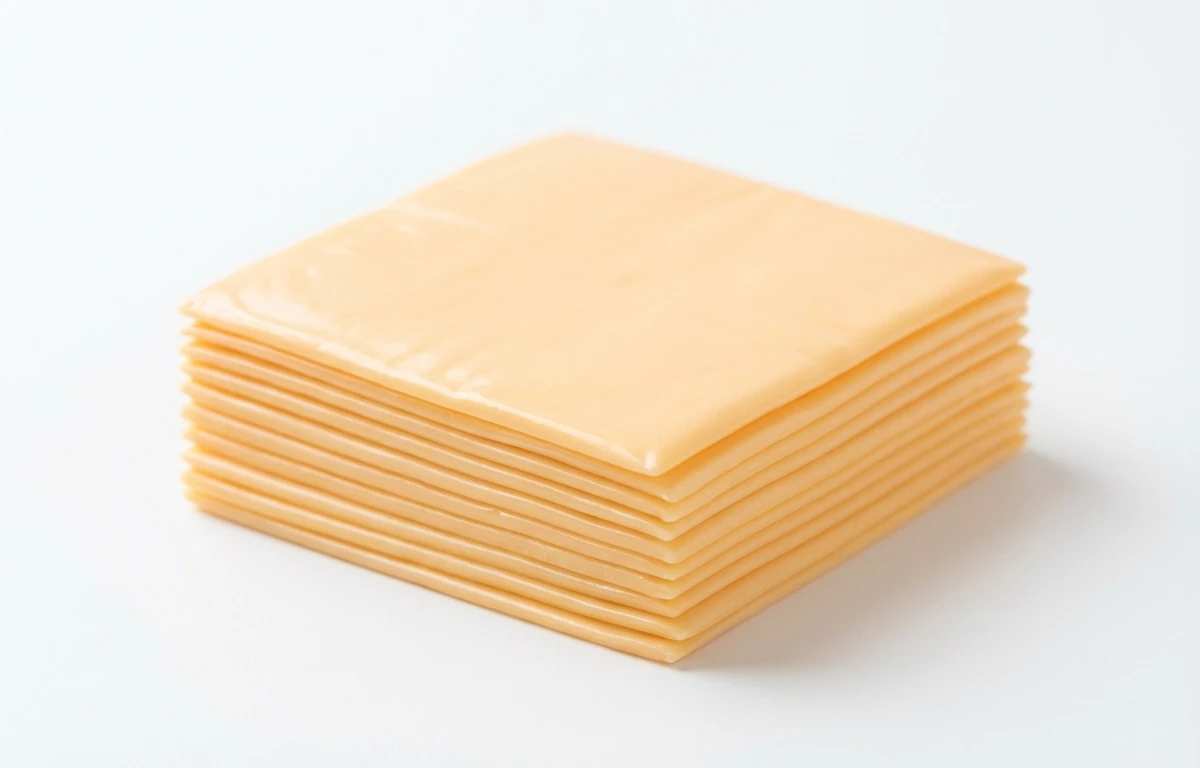
SERVING
CALORIES
375
PROTEIN
22.1g
CARBS
1.7g
FAT
31.2g
FIBER
0.10g
NUTRITION PROFILE · per 100 g
Everything in this ingredient.
MACRONUTRIENTS
Calories375kcal—
Protein22.1g44%
Carbohydrates1.7g1%
Fiber0.10g0%
Sugar0.62g1%
Total fat31.2g40%
Saturated fat19.7g98%
Cholesterol94mg31%
Water39.1g—
MINERALS
Sodium915mg40%
Potassium162mg3%
Calcium614mg47%
Iron0.42mg2%
Magnesium22mg5%
Phosphorus744mg60%
Zinc3.0mg27%
Copper0.03mg3%
Manganese0.02mg1%
Selenium14.5µg26%
VITAMINS
Vitamin A244µg27%
Vitamin C2.3mg3%
Vitamin D0.50µg3%
Vitamin E0.29mg2%
Vitamin K2.9µg2%
Thiamin (B1)0.03mg3%
Riboflavin (B2)0.35mg27%
Niacin (B3)0.08mg1%
Pantothenic acid (B5)0.49mg10%
Vitamin B60.07mg4%
Folate (B9)8.0µg2%
Vitamin B120.70µg29%
%DV based on a 2,000 cal diet. Source: USDA FoodData Central. A dash in the %DV column means there’s no established Daily Value for that nutrient.
MEASUREMENT CONVERSIONS
How much is what.
1 cup244g
1 tablespoon14g
1 teaspoon4.7g
1 oz28.4g
1 lb453.6g
1 ml0.9g
1 liter933.3g
1 piece21g
HEALTH BENEFITS
Why eat it.
- ✓Good source of calcium, which is essential for bone health and muscle function.
- ✓Provides protein for tissue repair and growth.
- ✓Contains Vitamin B12, important for nerve function and the formation of red blood cells.
- ✓Often fortified with Vitamin D, which aids in calcium absorption.
COOKING TIPS
In the kitchen.
- 1Melts smoothly and evenly due to added emulsifiers, making it ideal for grilled cheese, macaroni and cheese, and queso dips.
- 2When making a sauce, add processed cheese in small pieces to a warm liquid (not boiling) and stir constantly to prevent clumping.
- 3Use low to medium heat when melting to avoid the separation of fats, which can result in a greasy or grainy texture.
- 4Its mild flavor and superior melting quality make it a great binder for ingredients in casseroles, burgers, or stuffed dishes.
STORAGE
Keep it fresh.
- Refrigerate promptly after opening in an airtight container or tightly wrapped to prevent drying out. Consume within 5-7 days.
- For unopened packages, store in the refrigerator at or below 40°F (4°C) and adhere to the expiration date.
- Freezing is possible but can make the texture crumbly upon thawing; it's best used for melting purposes after being frozen.
FAQ
Frequently asked questions.
Is processed cheese healthy?
Processed cheese offers calcium, protein, and B12, and is often fortified with Vitamin D, supporting bone health and muscle function. However, it's typically high in sodium, saturated fat, and calories, and contains emulsifiers and additives. It's best consumed in moderation as part of a balanced diet.
What are the nutritional values of processed cheese?
Per 100g, processed cheese contains approximately 375 calories, 22.13g of protein, 1.73g of carbohydrates, and 31.2g of fat. It's also a good source of calcium and often fortified with Vitamin D, which aids in calcium absorption.
Is processed cheese good for weight loss?
Due to its high calorie and fat content (375 calories and 31.2g fat per 100g), processed cheese is not ideal for weight loss when consumed in large quantities. While it provides protein, moderation is key, and leaner protein sources or lower-fat cheese options might be more suitable for a weight management plan.
Is processed cheese lactose-free?
Processed cheese is made from natural cheese and other dairy ingredients, so it typically contains lactose. While the processing might reduce lactose levels slightly compared to some natural cheeses, it is generally not considered lactose-free and may cause issues for individuals with severe lactose intolerance.
Is processed cheese gluten-free?
Yes, most processed cheese products are naturally gluten-free, as they are primarily made from dairy ingredients and do not contain wheat, barley, or rye. However, it's always best to check the ingredient label for specific brands to ensure no gluten-containing additives are present, especially for those with celiac disease or severe gluten sensitivity.
Is processed cheese keto-friendly?
Yes, processed cheese can be keto-friendly due to its low carbohydrate content (1.73g per 100g) and high fat content (31.2g per 100g). It provides a good source of fat and protein, making it suitable for ketogenic diets when consumed in appropriate portions.
What are the best uses for processed cheese in cooking?
Processed cheese is excellent for dishes requiring smooth melting, such as grilled cheese sandwiches, macaroni and cheese, cheese sauces, and casseroles. Its consistent texture and resistance to oil separation make it a reliable choice for creamy, uniform results.
How should processed cheese be stored?
Unopened processed cheese should be stored in a cool, dry place or refrigerated, depending on the product's packaging instructions. Once opened, it should always be tightly wrapped and refrigerated to maintain freshness and prevent spoilage.
How long does processed cheese last?
Unopened processed cheese often has a longer shelf life than natural cheese, typically lasting several months to a year past its production date when stored properly. Once opened, it should be consumed within 1-3 weeks, similar to natural cheese, to ensure optimal quality and safety.
What is the main difference between processed cheese and natural cheese?
Natural cheese is made directly from milk through coagulation and aging, while processed cheese is made by blending natural cheeses with emulsifying salts, milk solids, and other additives. This processing gives it a smoother texture, better meltability, and a longer shelf life compared to natural cheese.
RECIPES
Cook with processed cheese.
9 recipes · sorted by what’s quick



















