
Loading...
Also known as:
Per 100g
Nutrition data source: USDA FoodData Central
Common measurement equivalents in grams
Processed cheese slices provide essential nutrients like protein, calcium, and Vitamin B12, which support bone and nerve health. However, they are often high in sodium and saturated fats, so they should be consumed in moderation as part of a balanced diet.
A 100g serving contains approximately 18g of protein and is a concentrated source of calcium. These nutrients are vital for muscle maintenance and maintaining strong bone density throughout life.
Yes, they are generally considered keto-friendly because they contain only about 7g of carbohydrates per 100g. Their high fat content (26g) also fits well within a ketogenic macro profile, though you should check for added fillers on the label.
Yes, processed cheese slices are dairy products and contain lactose. While the processing can sometimes reduce lactose levels compared to fresh milk, individuals with lactose intolerance should consume them with caution or look for lactose-free varieties.
They contain emulsifiers, such as sodium phosphate or potassium phosphate, which keep the fats and proteins bonded together when heated. This prevents the cheese from separating or becoming oily, resulting in a perfectly uniform melt for burgers and sandwiches.
Yes, you can freeze them for up to 6 months in their original packaging. While the texture may become slightly more brittle or crumbly once thawed, they will still melt perfectly when used in hot dishes.
Most modern processed cheese slices are vegetarian as they use microbial-based enzymes rather than animal rennet. However, it is always recommended to check the ingredient list for 'animal enzymes' to be certain.
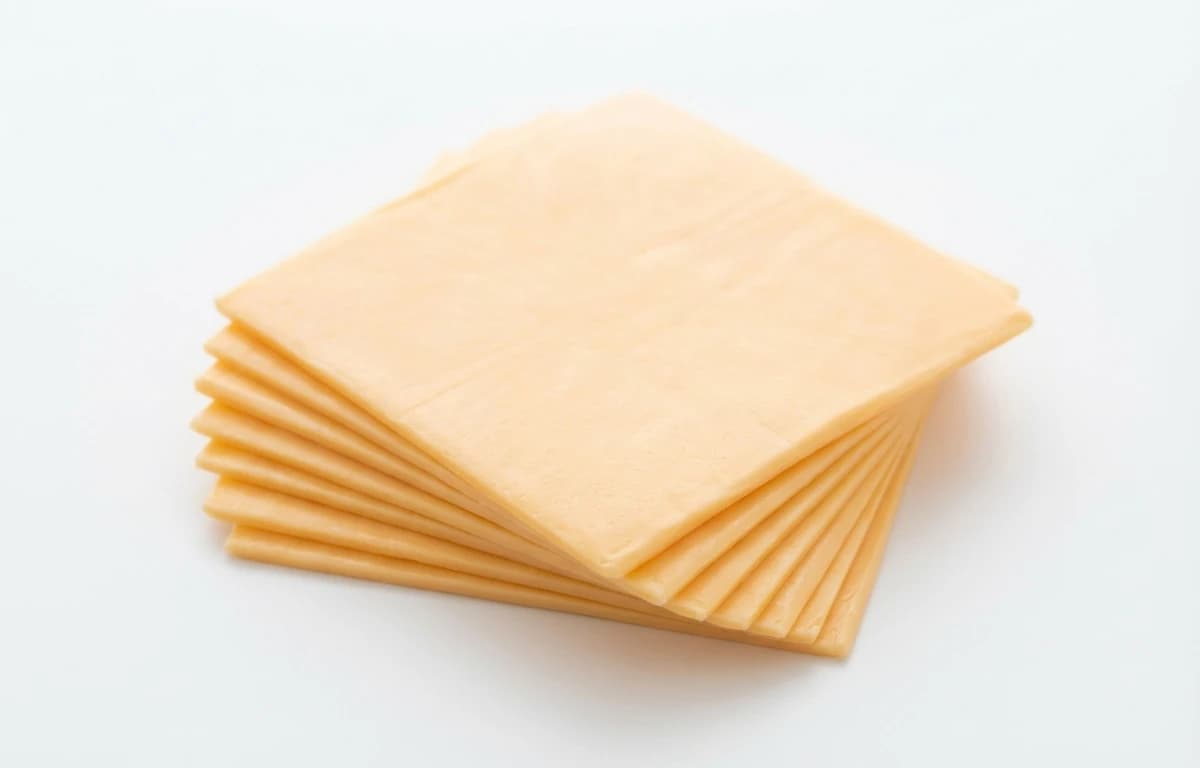
Processed Cheese Slices is a versatile ingredient found in cuisines around the world. With 330 calories per 100g and 18 grams of protein, it's a nutritious addition to many dishes.
Explore more ingredients in the dairy product category with complete nutrition information.
View all dairy product →Discover 1 recipes featuring processed cheese slices with step-by-step instructions.
Browse recipes →Unopened, they can last for several months due to their preservatives and airtight individual wrapping. Once the outer package is opened, they are best consumed within 1 to 2 weeks for optimal flavor and safety.
Because they contain 330 calories and 26g of fat per 100g, they are relatively calorie-dense. If you are tracking calories for weight loss, it is best to use them sparingly or choose reduced-fat versions to manage your daily intake.
Signs of spoilage include a sour or ammonia-like smell, visible mold growth, or a slimy film on the surface. If the cheese has changed color significantly or the individual wrapper appears bloated, it should be discarded.